Trusted by 6000+ Labs · ISO13485 Certified · Fast Delivery from 3 Factories

A lab can replace a milling machine or sintering furnace when measurements say so. Five signals justify the investment: cases queueing at one machine every day, precision that no longer holds after calibration, cases you decline because the equipment cannot run them, repair spending that is creeping toward the price of a new unit, and capacity math that no longer covers your order book. This guide turns each signal into something you can measure this week, then shows how to decide which machine to replace first.
The clearest upgrade signal is a daily bottleneck, and in a zirconia workflow it usually forms at the furnace. Milling a zirconia unit takes minutes; the C512D mills a zirconia disc in twenty minutes or less. Traditional sintering schedules run for hours, so the furnace determines when cases actually leave the lab. If your technicians mill all day and cases still wait overnight for a sintering slot, the furnace is the constraint, and no faster mill will shorten delivery. A fast-sintering furnace changes that math: the VSF300 fast sintering furnace runs fast cycles from about 40 minutes up to 2-hour standard cycles, and its 90 mm tray sinters up to 60 units per cycle. Compare your own numbers first: count units waiting at each machine at the end of the day for one week. The machine with the standing queue is the one to replace first.
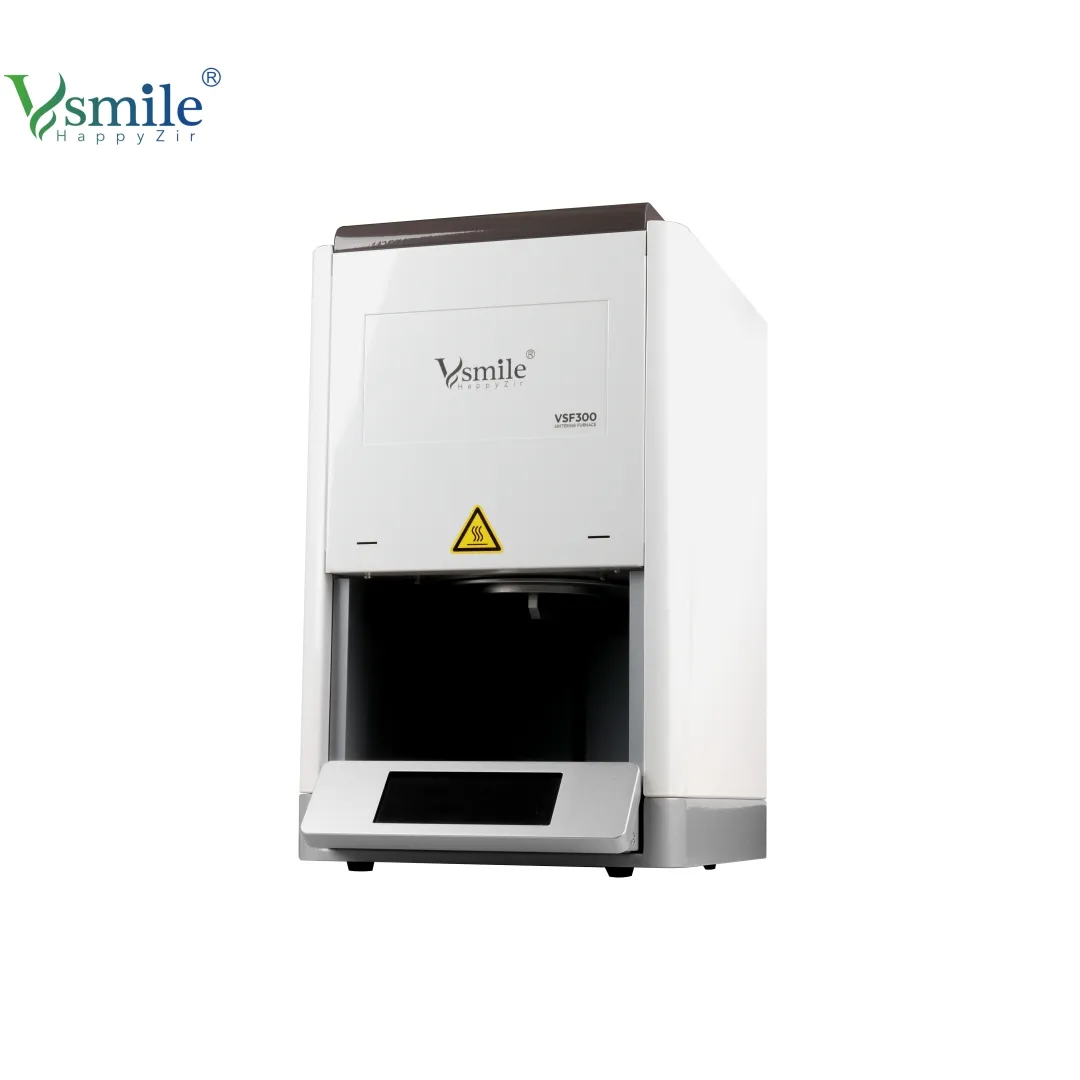
Precision rarely fails overnight; it drifts. On the milling side, the warning signs are marginal fit complaints creeping upward and monthly calibration values that keep needing adjustment; the C512D maintenance routine expects monthly calibration against specified tolerances, and results that will not hold those values point at mechanical wear rather than operator error. On the furnace side, aging heating elements and outdated sintering curves show up as translucency or strength that varies between batches, especially when you switch zirconia brands. The VSF300 addresses this with 12 programmable sintering segments, compatibility with multiple zirconia brands, and ±2 °C temperature control, but the decision test is the same either way: track your remake and adjustment rate for a month. A rising trend that survives recalibration is a replacement signal; a flat trend with an isolated fault is a service call, not a purchase.
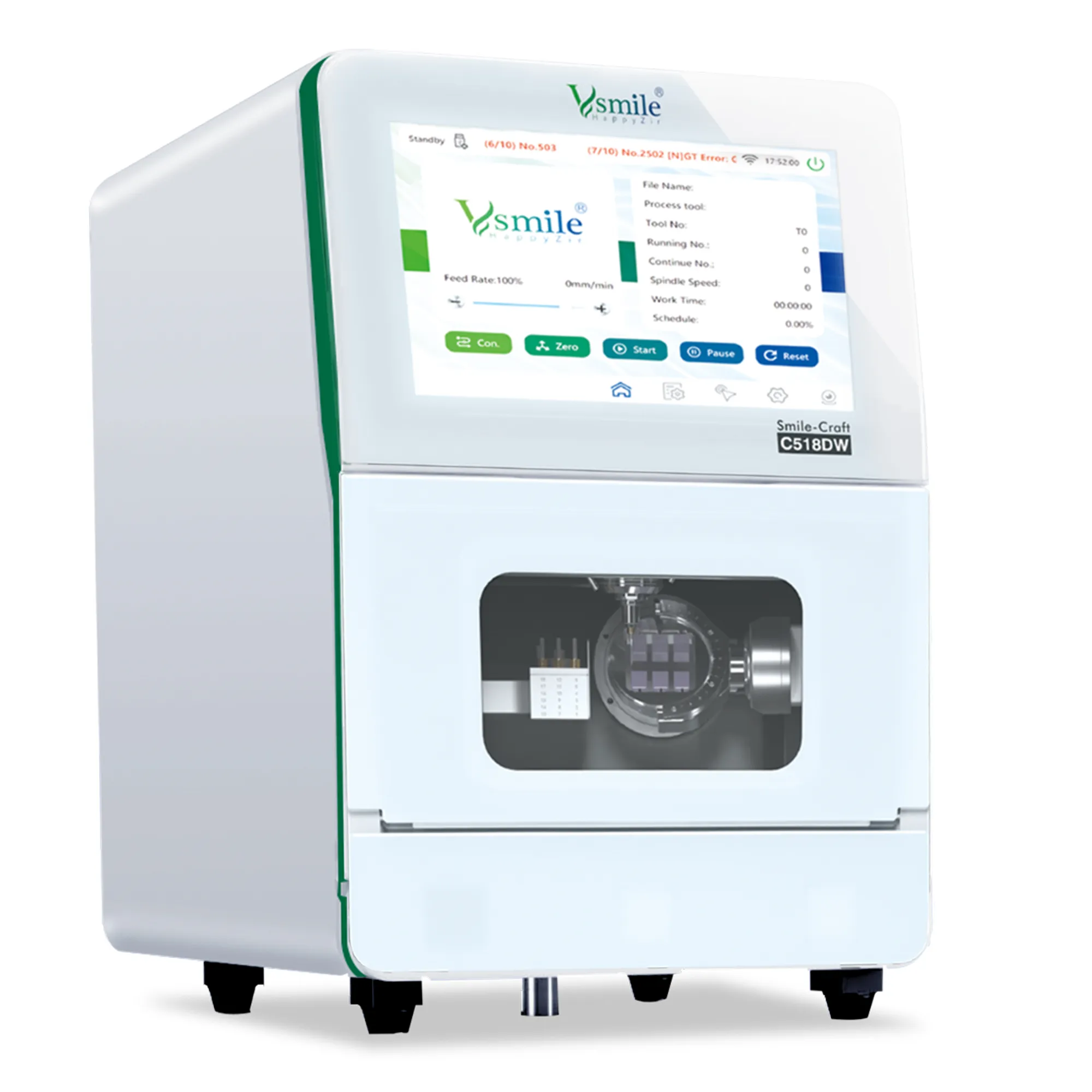
Capability gaps are quieter than breakdowns because the loss is invisible: cases you never quote. A dry-only mill cannot run glass ceramics or titanium premilled abutments, and a narrow material menu also limits which dental zirconia blocks you can validate on, so every implant or lithium disilicate case either goes to a competitor or waits for outsourcing. A wet-and-dry machine such as the C518DW 5-axis milling machine closes that gap in one unit, milling zirconia, PMMA, and PEEK dry, and glass ceramics, composite, or titanium wet. Furnaces have their own version: an older controller with few programmable segments may not hold the curves a newer multilayer zirconia expects, and no fast mode means urgent single crowns queue behind full overnight batches. List every case type you declined or outsourced last quarter with its approximate value. If that list is growing, the equipment capability, not your sales effort, is the ceiling.
Before replacing anything working, add up what keeping it actually costs. Over the last twelve to eighteen months, total your repair invoices, parts wait times, and the production hours lost to downtime. Compare that total against a written quote for a new machine including installation and training. Two results justify replacement: repairs are recurring and the spend keeps climbing, or a single major failure, such as a spindle or heating element, carries a repair quote that approaches the price of a newer unit. Parts availability belongs in this calculation too. Ask your current supplier for written parts lead times before you decide; a repair quoted cheaply but waiting six weeks for a part can cost more in delayed deliveries than a replacement. None of these figures are published by manufacturers, so collect them from your own records and your supplier in writing.
Replacement makes sense when current capacity cannot carry the business you are trying to win, even if the machine still runs. The test is throughput at peak, not average. If your lab receives a Friday rush of 40 units and the furnace holds 25 per overnight cycle with no fast mode, turnaround promises break every week. The VSF300 was built for this constraint: up to 60 units per cycle, no preheating step, automatic fast cooling, and WiFi monitoring so technicians can watch cycle status and schedule the next load instead of standing by the machine. Mills scale differently: tool magazine depth decides how much operator attention a mixed case load needs, which is why the jump from a 10-tool magazine to the C518DW's 18-tool changer with tool life monitoring matters for labs running unattended evening shifts. Project your realistic order book for the next two years, then check both machines against that number rather than last year's volume.
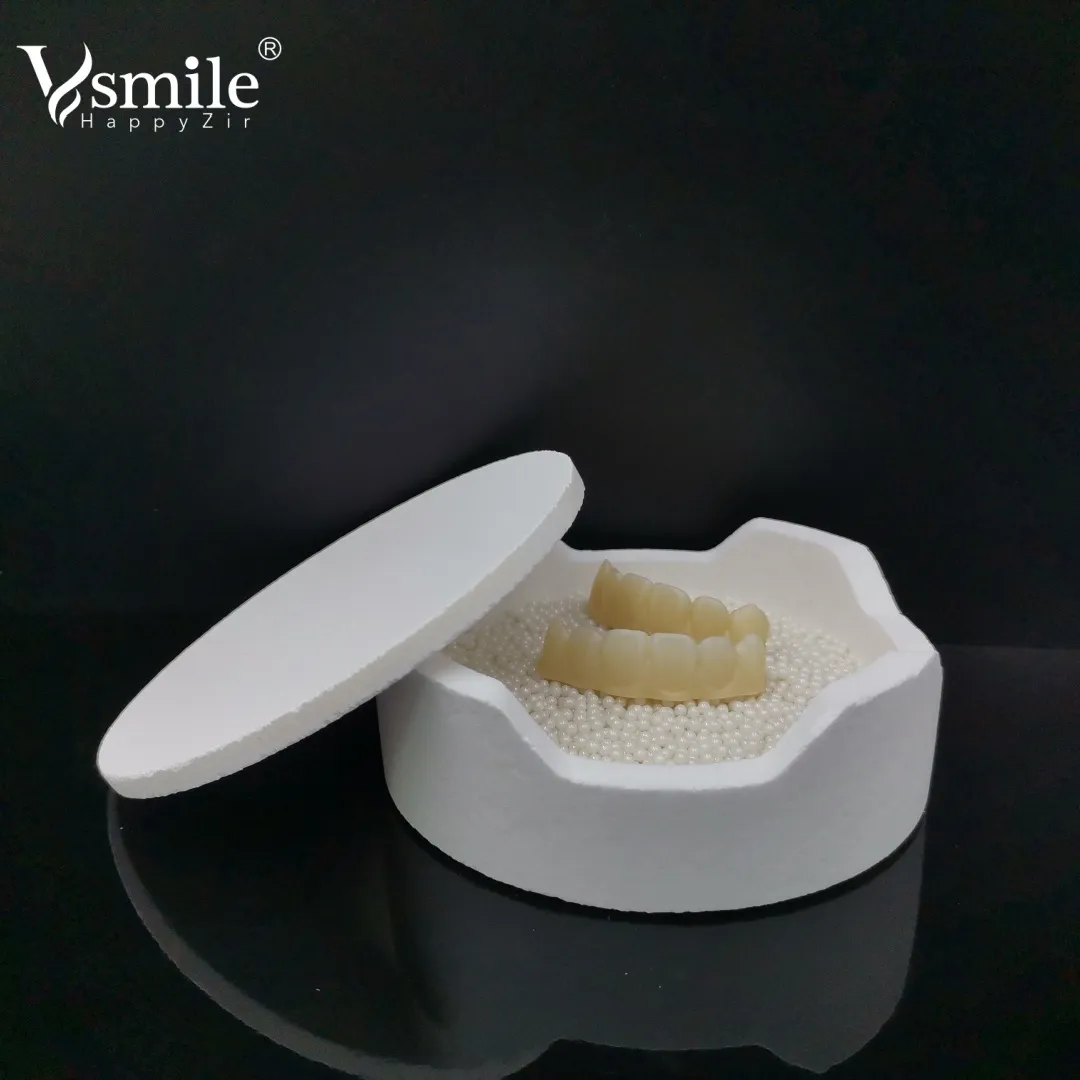
Most labs cannot replace everything at once, and the sequencing rule is simple: replace the machine that constrains delivery today. If finished millings wait overnight for sintering slots, the furnace goes first, and it is usually the smaller investment. If cases fail at the milling stage, or the material list you cannot run is costing real orders, the mill goes first. Then check the pairing: a faster mill feeding an old furnace simply moves the queue downstream, so a staged plan often pairs the two, and suppliers package them accordingly; the VSF300 furnace and zirconia block kit ships with preset sintering curves and matched material so a lab can validate the new workflow on real cases during the first week. Validate one stage at a time, with your own cases and acceptance criteria, before committing to the next.
A replacement conversation goes well when the buyer arrives with data. Vsmile's inquiry form asks for your current CAD/CAM machine and estimated order volume, so a complete brief returns a configuration proposal matched to your bottleneck instead of a generic price list. You can also review the current mill and furnace line before drafting your questions.
Replace equipment when measurements say so, not when the calendar does. Count the units waiting at each machine for a week, watch whether precision holds after calibration, list the cases you declined or outsourced, total twelve to eighteen months of repairs and downtime, and test capacity against the order book you want rather than last year's volume. Replace the link that constrains delivery today, validate it on your own cases and acceptance criteria, then replan around the bottleneck that appears next; a faster mill feeding an old furnace only moves the queue downstream. Bring those five numbers to the inquiry form for a configuration matched to your bottleneck, and inspect the VSF300 furnace and zirconia block kit when sintering is the link you need to replace first.
There is no universal age. Usage hours, cycle counts, and precision stability matter more than the purchase date, because two machines bought the same year can age very differently. Track cycle counts and calibration results from the start, and ask the manufacturer what service life its consumable components, such as heating elements and spindle bearings, are designed for under your workload. When those answers are not published, request them in writing from the supplier.
Working is the wrong test; ask whether it still delivers. If cases wait overnight for sintering slots, if the controller cannot hold the curves your current zirconia requires, or if cycle capacity forces you to turn down rush work, a still-functioning furnace is costing delivery promises every week. Compare the value of recovered turnaround time against the replacement quote before deciding.
Yes, and most labs should. Start with the machine that constrains delivery, validate it on representative cases with your own acceptance criteria, then plan the next stage. Just remember that the two machines form a chain: faster milling exposes a slow furnace, and a bigger furnace exposes a slow mill. Plan the second replacement around the new bottleneck that appears after the first.
Speed and quality are separate programs, not a single trade. Fast-sintering furnaces offer distinct fast and standard modes, so urgent cases run the short cycle while high-esthetic work runs a longer schedule, and multi-segment programmable curves with tight temperature control hold the material's specified parameters in both. Validate on your own material: run the same zirconia through fast and standard cycles and compare strength, shade, and translucency against the block manufacturer's values before you trust either mode in production.
Bring weekly unit volume by material, remake rate, outsourced cases and costs, twelve to eighteen months of repair spend and downtime, current equipment models, and CAM software versions. This lets the supplier propose a configuration against your actual bottleneck and quote installation, training, and support realistically instead of quoting a machine in isolation.

Vsmile is pleased to announce its participation in the 3rd Algerian Dental Expo (ADEX 2026), taking place from November 11 to 14, 2026, at the Palais des Expositions (SAFEX) in Algiers, Algeria.
At this year's exhibition, Vsmile will join its local distribution partner, WHITE TRADER, at Pavillon A. Together, the teams will connect with dental professionals and showcase dental materials, CAD/CAM solutions and practical applications for modern dental laboratory workflows.
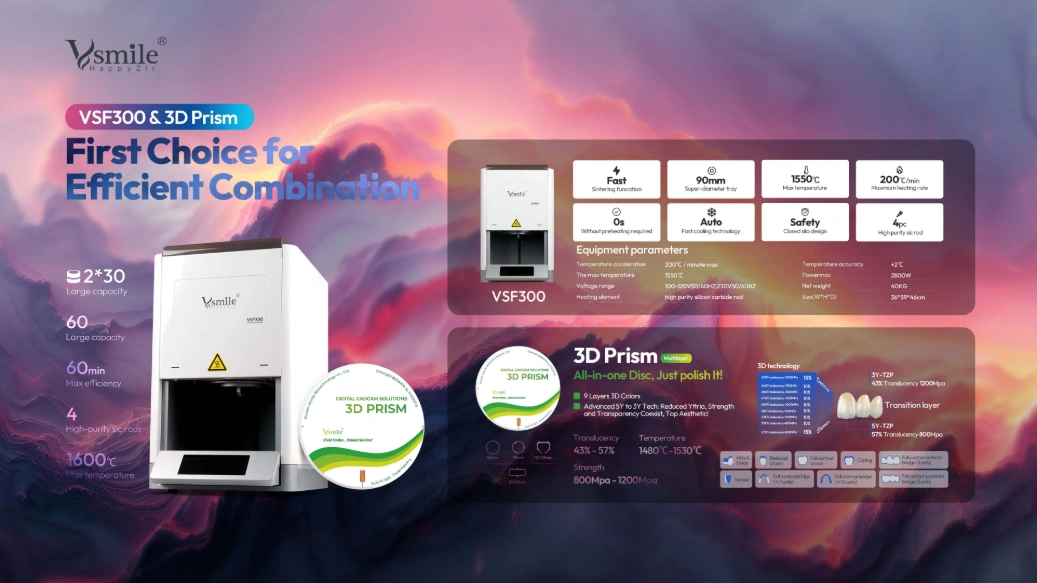
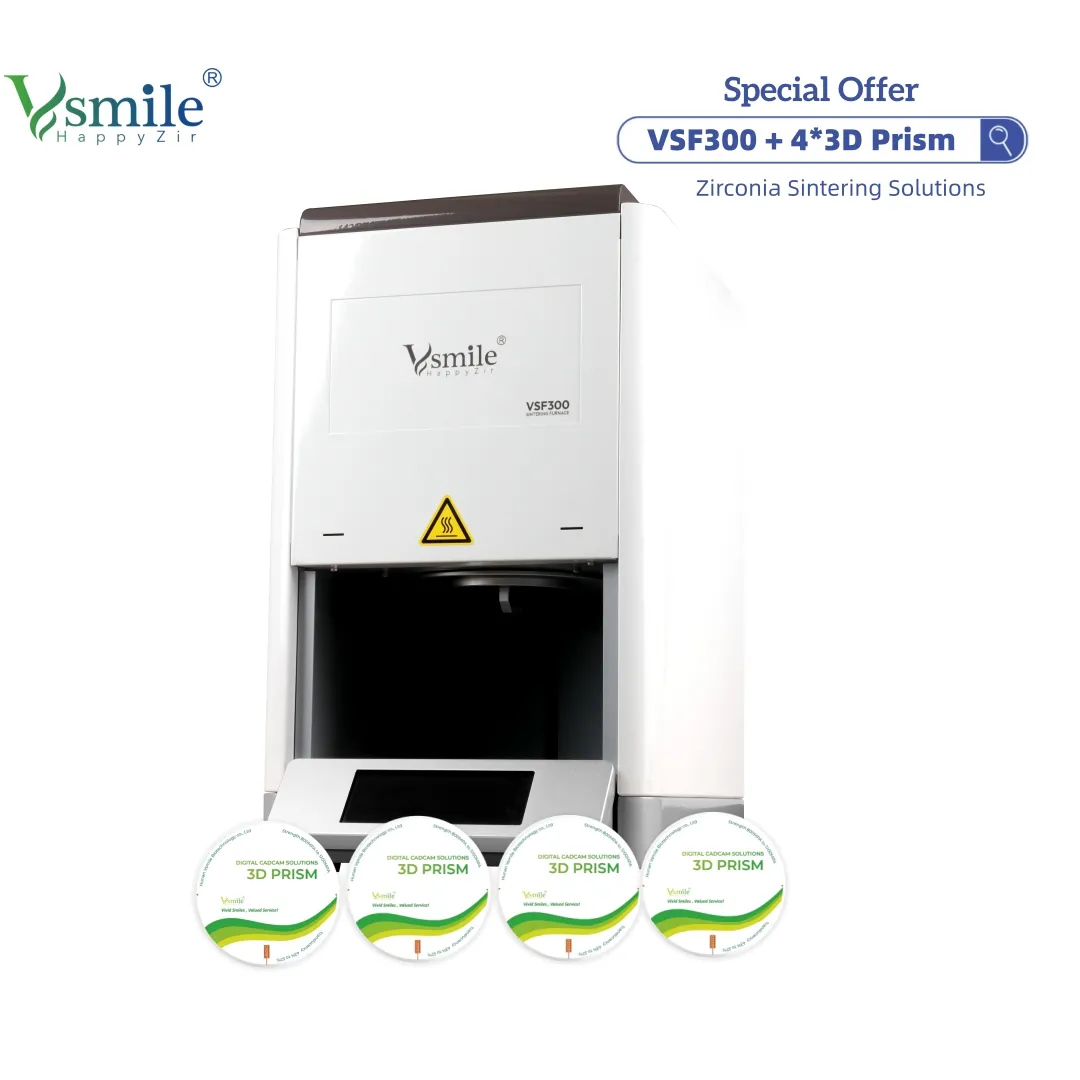
This bundle combines the powerful VSF300 fast sintering furnace with 4 pcs of 3D Prism multilayer zirconia blocks, delivering speed, capacity, and consistent esthetics in one package.

Passive fit failure is rarely caused by a single factor. Instead, it is the result of error stacking across the entire digital and manufacturing workflow.
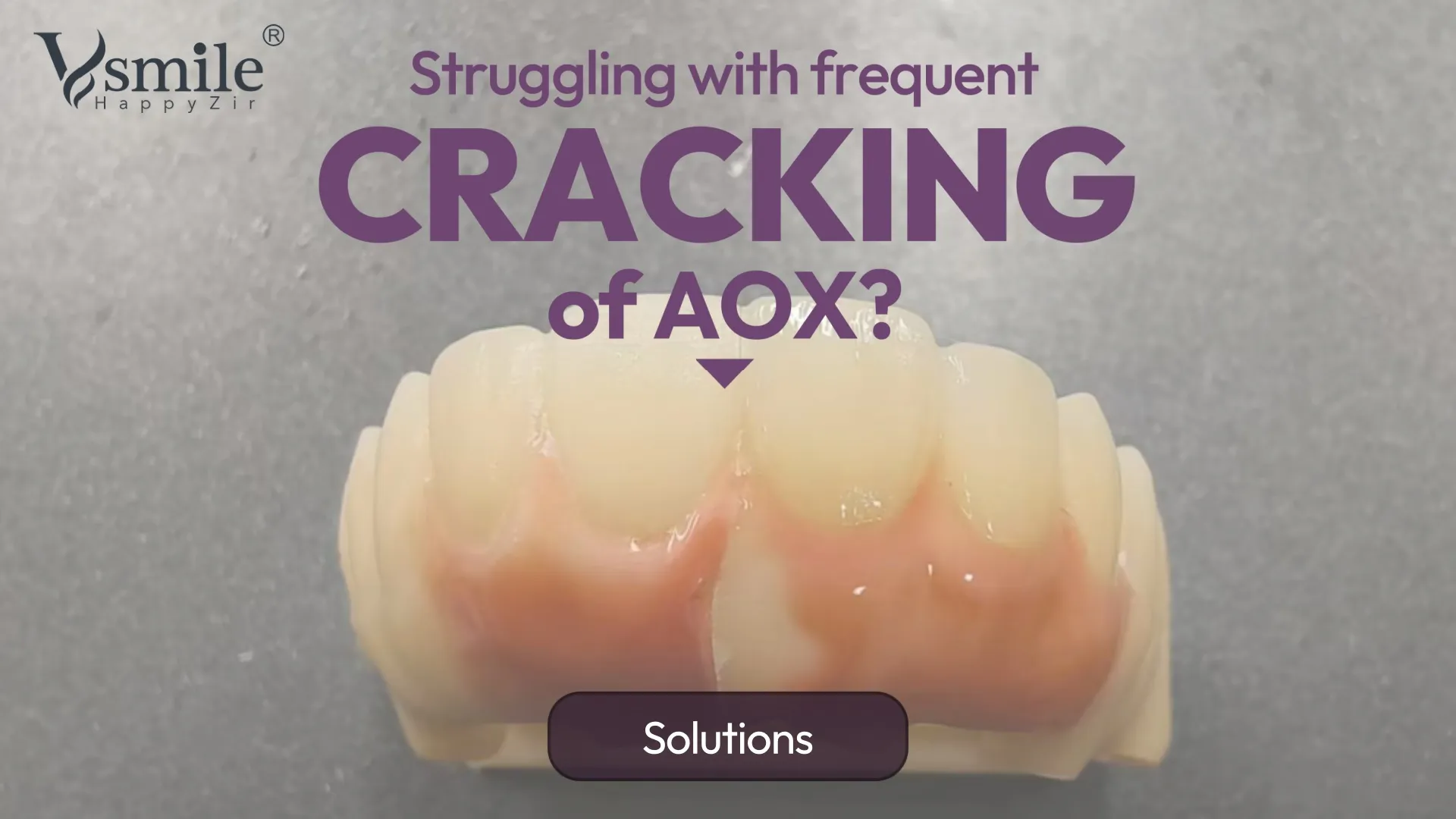
Fracture and microcracks are among the most critical failure modes in All-on-X (AOX) zirconia restorations.
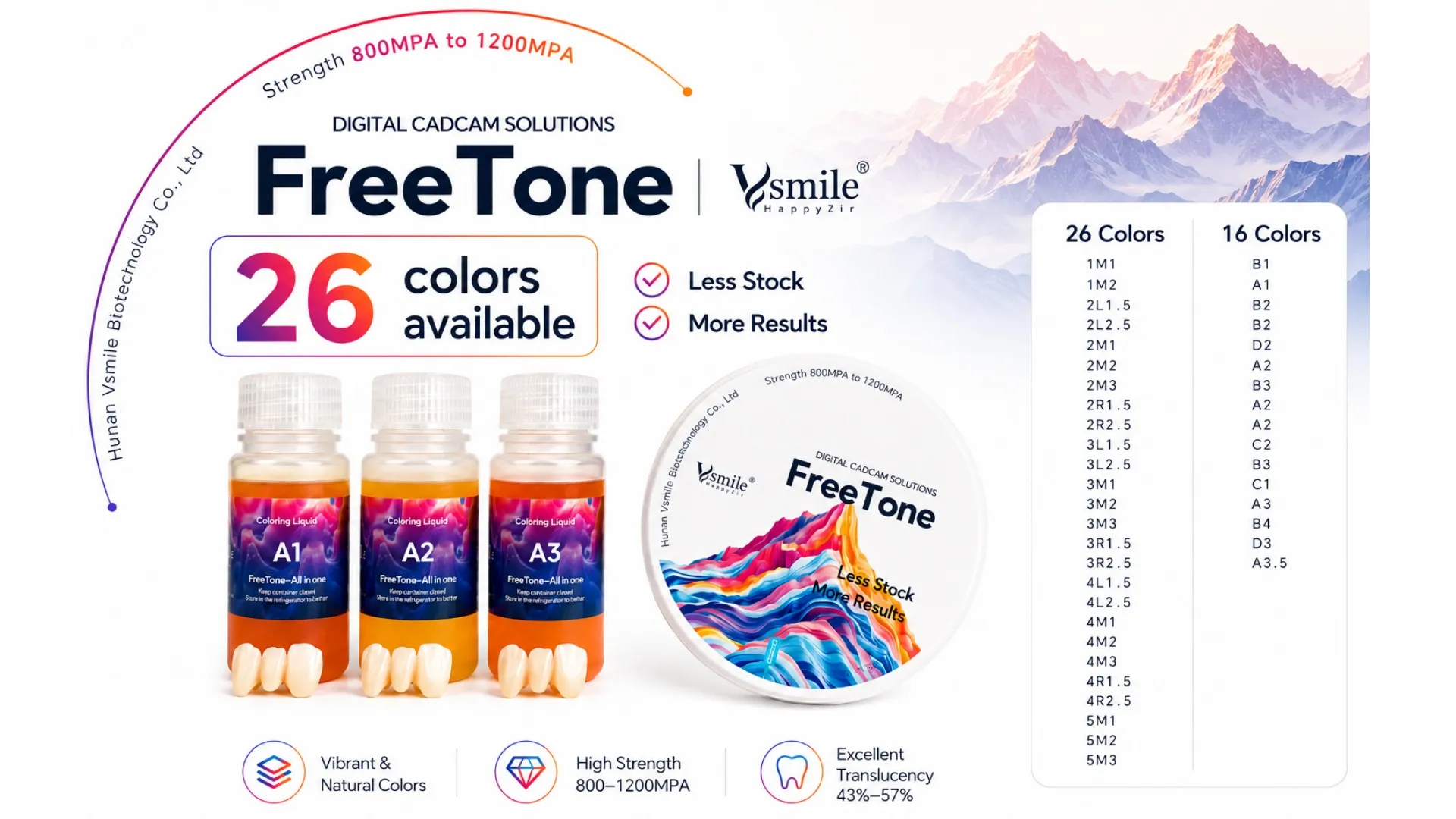
Whether you're crafting A1 or D4, FreeTone White Zirconia Disc gives you total shade control with just one SKU — streamlining inventory and increasing productivity.

Voices from Vsmile Global Partners — Stories of Trust, Growth, and Smiles We Create Together.
Long-span and full-arch restorations represent some of the most complex and failure-prone procedures in digital dentistry. Challenges include connector fractures, marginal misfits, sintering deformation, and low clinical longevity. Labs and clinics face a high rate of remakes, increased cost, and pressure to maintain quality under tight delivery deadlines.
2025.5.22

Vsmile offers a complete, validated digital workflow — from scanning to final zirconia bridge — that helps labs and clinics deliver life-changing smiles faster, with greater confidence and repeatable quality.


Tel: +86-731-85682958
Fax: +86-731-85682958
WhatsApp: +8615084896166/+8618569525651
Email: [email protected]
Address:
Room 1202-1203, Building A4,Huanchuang Corporate Park,No.2450, Yuelu West Avenue, Changsha Hi-tech Development District, Changsha, China.


























 EN
 fr
 ru
 nl
 uk
 fil
 lo
 ko
 it
 es
 el
 pt
 de
 th
 be
 sq
 tr
 ar
 vi
 pl