Trusted by 6000+ Labs · ISO13485 Certified · Fast Delivery from 3 Factories


When a zirconia sintering cycle finishes, most dental technicians focus on the restorations inside the furnace.
However, one important detail is often overlooked—the sintering tray (or crucible) remains extremely hot, even after the furnace door is opened.
Removing the tray improperly or placing it on an ordinary workbench can damage the work surface, increase the risk of contamination, and create unnecessary safety hazards.
A simple change in your workflow can protect both your restorations and your laboratory equipment.
In this article, we'll explain why proper handling of a hot zirconia sintering tray matters, common mistakes to avoid, and best practices for creating a safer and more efficient digital dental laboratory.
During zirconia sintering, the furnace operates at temperatures between 1,450°C and 1,550°C, depending on the zirconia material and manufacturer's recommendations.
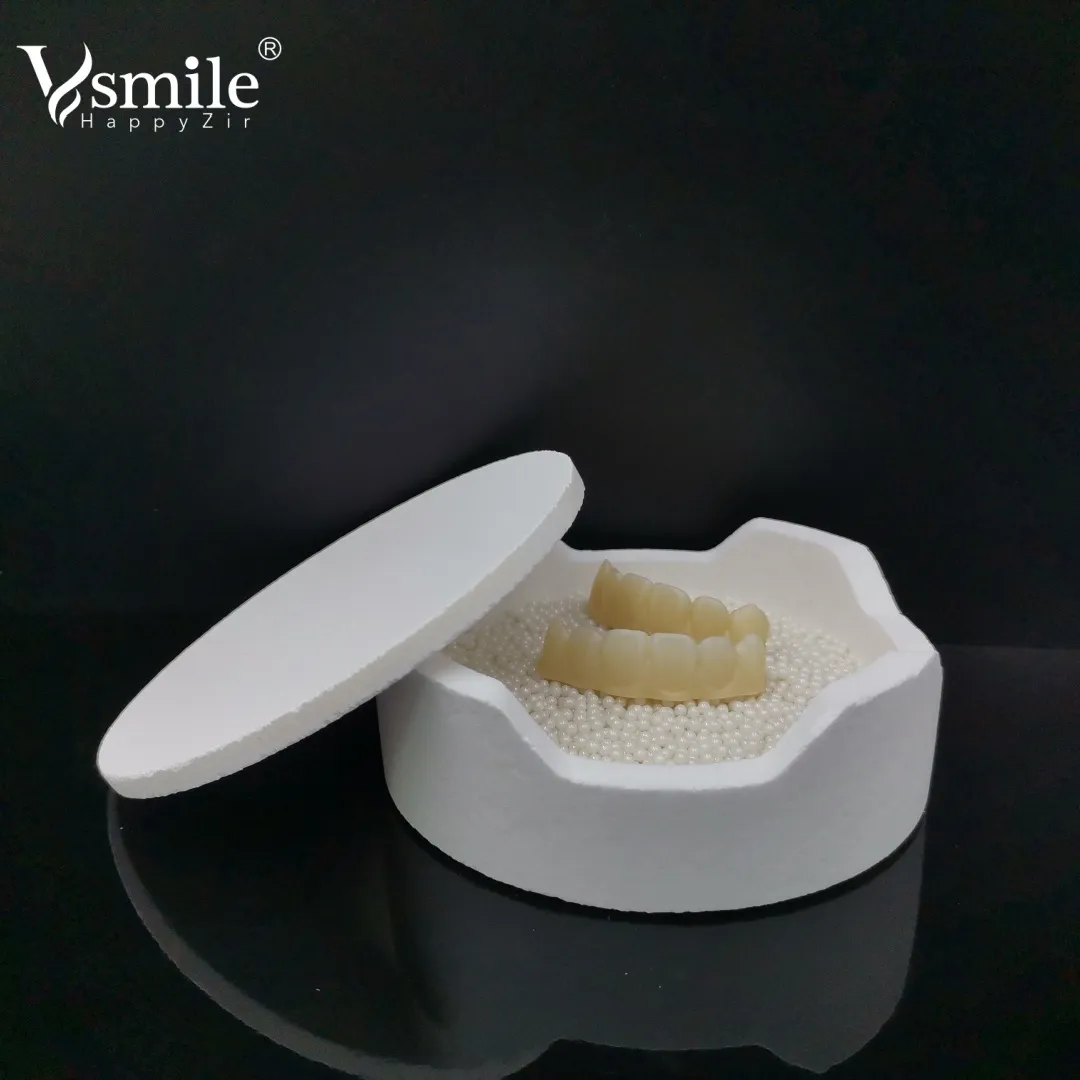
Although the furnace begins cooling after the cycle ends, the tray, crucible, and zirconia support accessories retain heat for a considerable period due to their high thermal mass.
Even when restorations are ready for removal, the tray may still be hot enough to:
This is why safe removal procedures are essential in every dental laboratory.
One of the most common mistakes is placing the hot tray directly on a laboratory table.
While it may seem convenient, this practice can cause several problems.
Many laboratory benches are made from laminate, resin-coated wood, or composite materials that are not designed to withstand extremely high temperatures.
Direct contact may result in:
A regular workbench may contain:
Placing a hot tray directly on these surfaces increases the chance that contaminants will adhere to the tray or nearby restorations, potentially affecting cleanliness before subsequent processing steps.
A tray that remains extremely hot can also create workplace hazards, especially in busy laboratories where multiple technicians share the same workspace.
Without a designated cooling area, accidental contact becomes more likely.
The safest solution is to prepare a dedicated cooling area next to the sintering furnace.
After removing the hot tray with appropriate furnace tongs or heat-resistant gloves:
This simple procedure helps maintain a cleaner, safer, and more organized workflow.
Aluminum is widely used for cooling accessories because it offers several practical advantages.
Aluminum transfers heat efficiently, helping the tray cool more evenly.
The cooling plate acts as a thermal barrier between the hot tray and the laboratory surface.
Using a dedicated plate separates hot components from grinding dust and polishing materials.
Technicians always know where freshly sintered trays should be placed, reducing confusion during busy production periods.
To improve safety and consistency, consider the following recommendations:
Never touch the tray directly after sintering.
Designed tools improve stability and reduce the chance of dropping hot components.
Avoid rapid cooling methods such as water or forced air, which may introduce thermal shock or contaminate accessories.
Reserve the cooling plate exclusively for hot sintering accessories.
Do not place milling burs, polishing tools, stains, glaze materials, or other laboratory items in the same area.
Check trays, crucibles, and zirconia beads periodically for wear, contamination, or damage.
Well-maintained accessories contribute to more predictable sintering results.
Many laboratories invest heavily in:
Yet seemingly minor workflow habits can also affect laboratory efficiency and restoration quality.
Creating standardized handling procedures helps:
In digital dentistry, consistency is built through attention to detail.
The Vsmile VSF300 Zirconia Sintering Furnace is designed with practical laboratory workflows in mind.
To simplify post-sintering handling, every VSF300 is supplied with an aluminum cooling plate.
After removing the hot sintering tray from the furnace, technicians can place it directly onto the cooling plate positioned beside the unit.
This dedicated cooling solution helps:
Combined with programmable sintering curves, precise temperature control, and high-capacity operation, the VSF300 is designed to improve both productivity and daily usability.
Even after the furnace cycle finishes, the tray can retain very high temperatures for an extended period due to its thermal mass. It should always be handled with heat-resistant tools.
No. High temperatures may damage the bench surface and increase the risk of contamination. A dedicated cooling plate is strongly recommended.
A cooling plate protects the workbench, creates a designated cooling area, improves workflow organization, and reduces contamination risks.
Aluminum is widely used because of its excellent thermal conductivity, durability, and ability to dissipate heat efficiently.
No. Allow the tray to cool naturally on a dedicated cooling plate. Sudden temperature changes may introduce unnecessary thermal stress and contamination.
Handling a hot zirconia sintering tray safely is a small step that makes a big difference in daily laboratory operations.
Rather than placing the tray directly on a workbench, use a dedicated aluminum cooling plate to protect your workspace, reduce contamination risks, and improve overall workflow safety.
At Vsmile, we believe that every detail matters—from precise temperature control inside the furnace to safe handling after every sintering cycle. Thoughtful workflow design helps dental laboratories achieve more efficient, consistent, and reliable zirconia production.
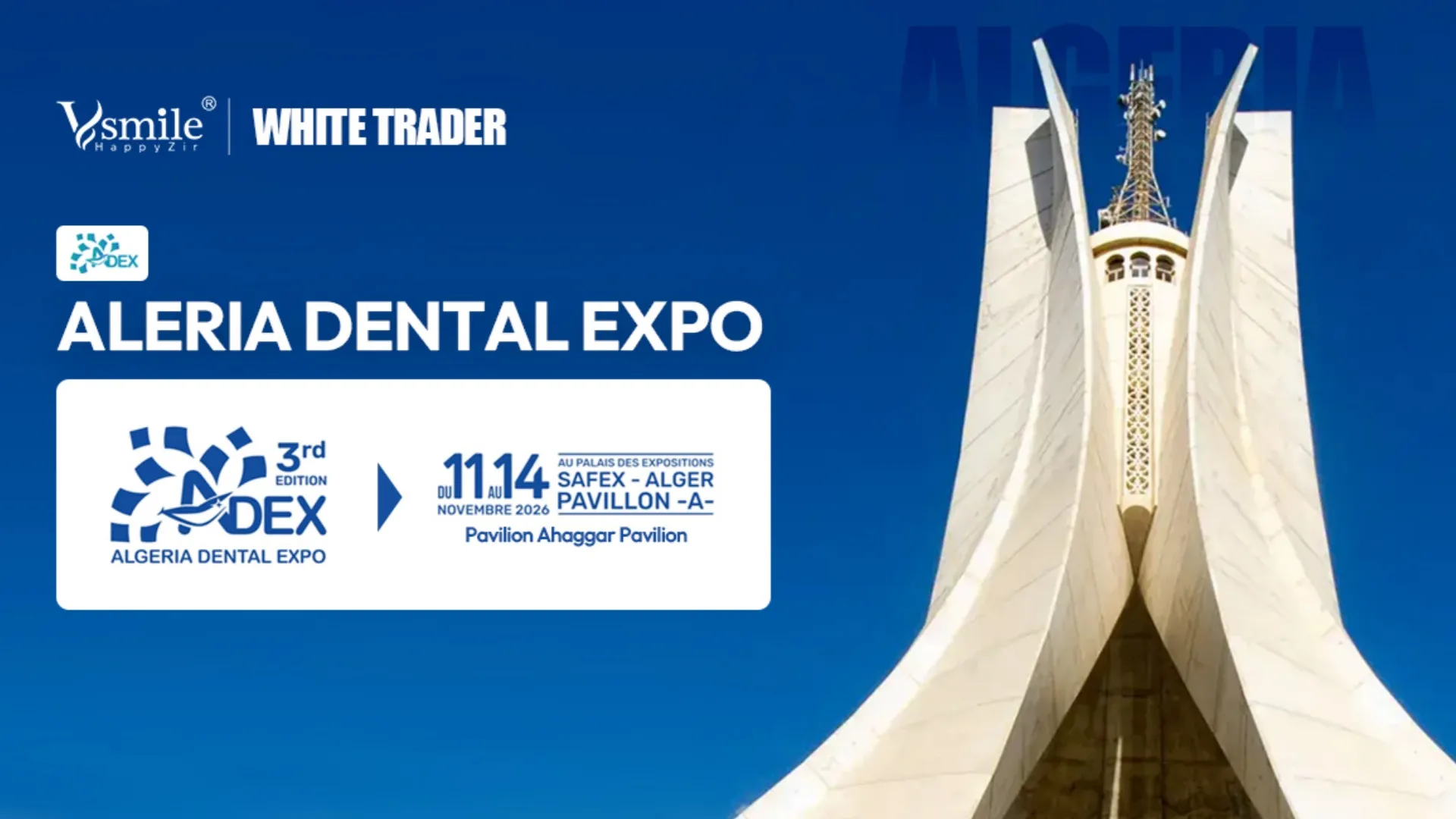
Vsmile is pleased to announce its participation in the 3rd Algerian Dental Expo (ADEX 2026), taking place from November 11 to 14, 2026, at the Palais des Expositions (SAFEX) in Algiers, Algeria.
At this year's exhibition, Vsmile will join its local distribution partner, WHITE TRADER, at Pavillon A. Together, the teams will connect with dental professionals and showcase dental materials, CAD/CAM solutions and practical applications for modern dental laboratory workflows.
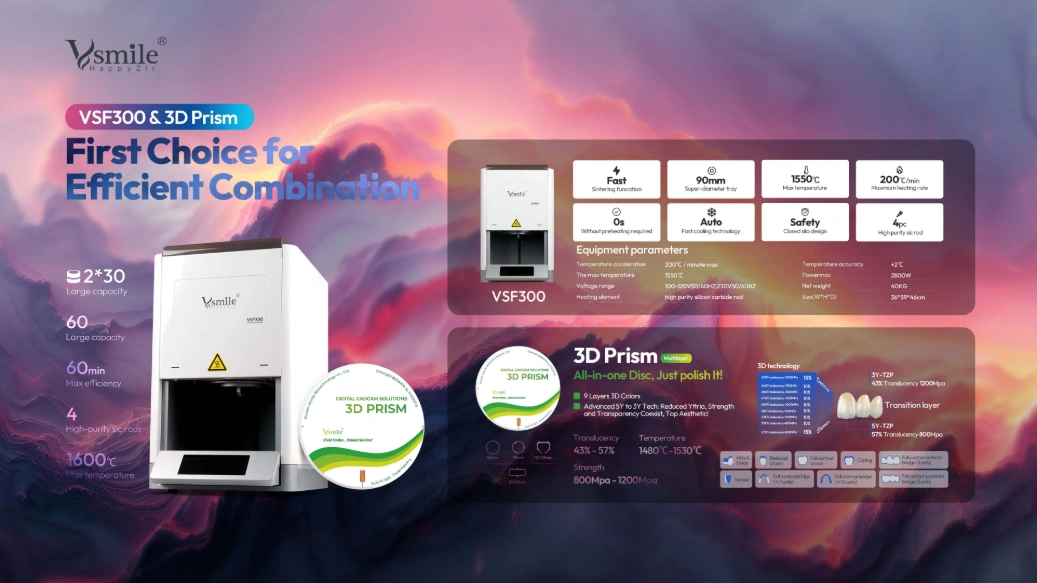
This bundle combines the powerful VSF300 fast sintering furnace with 4 pcs of 3D Prism multilayer zirconia blocks, delivering speed, capacity, and consistent esthetics in one package.
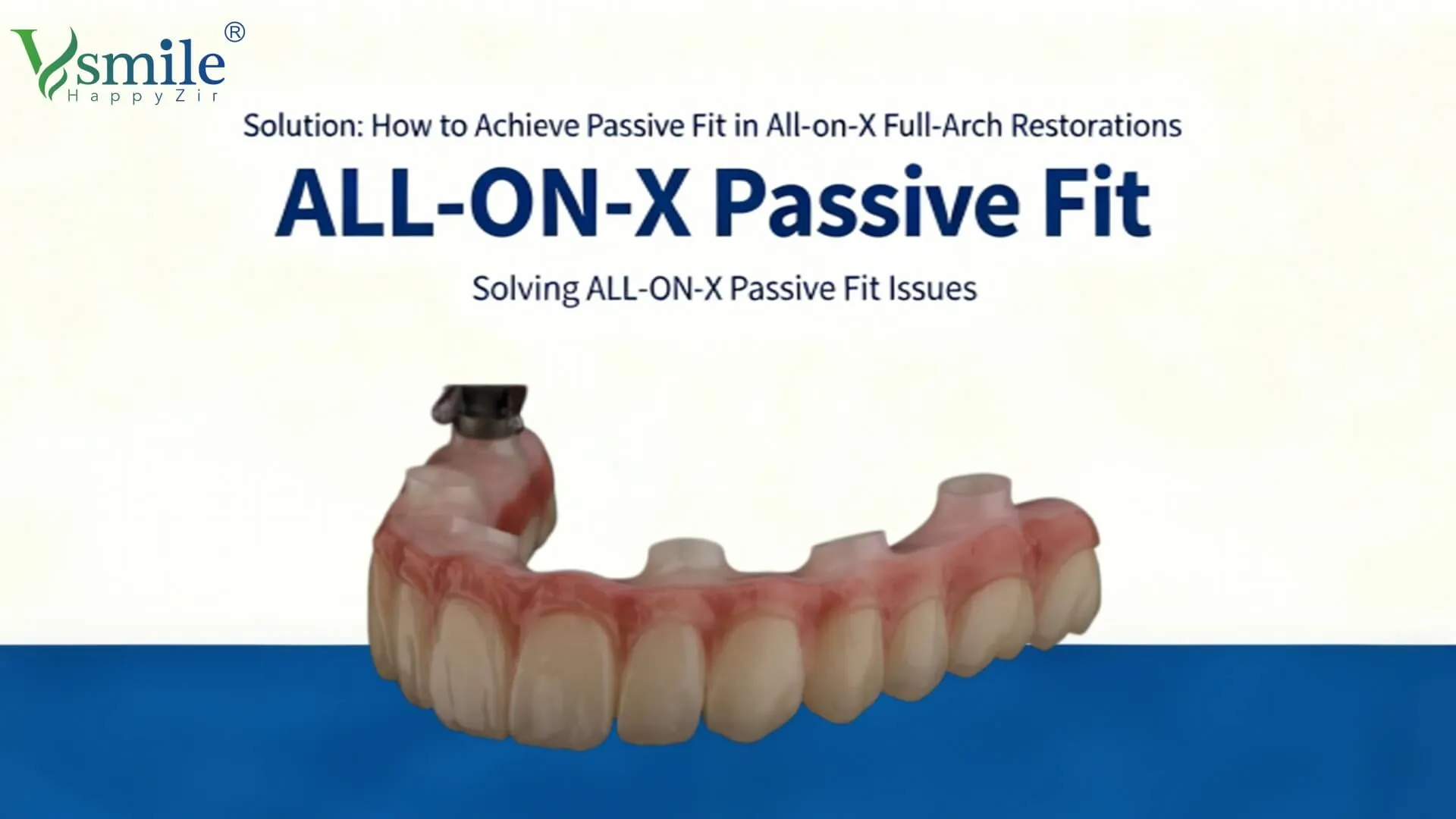
Passive fit failure is rarely caused by a single factor. Instead, it is the result of error stacking across the entire digital and manufacturing workflow.
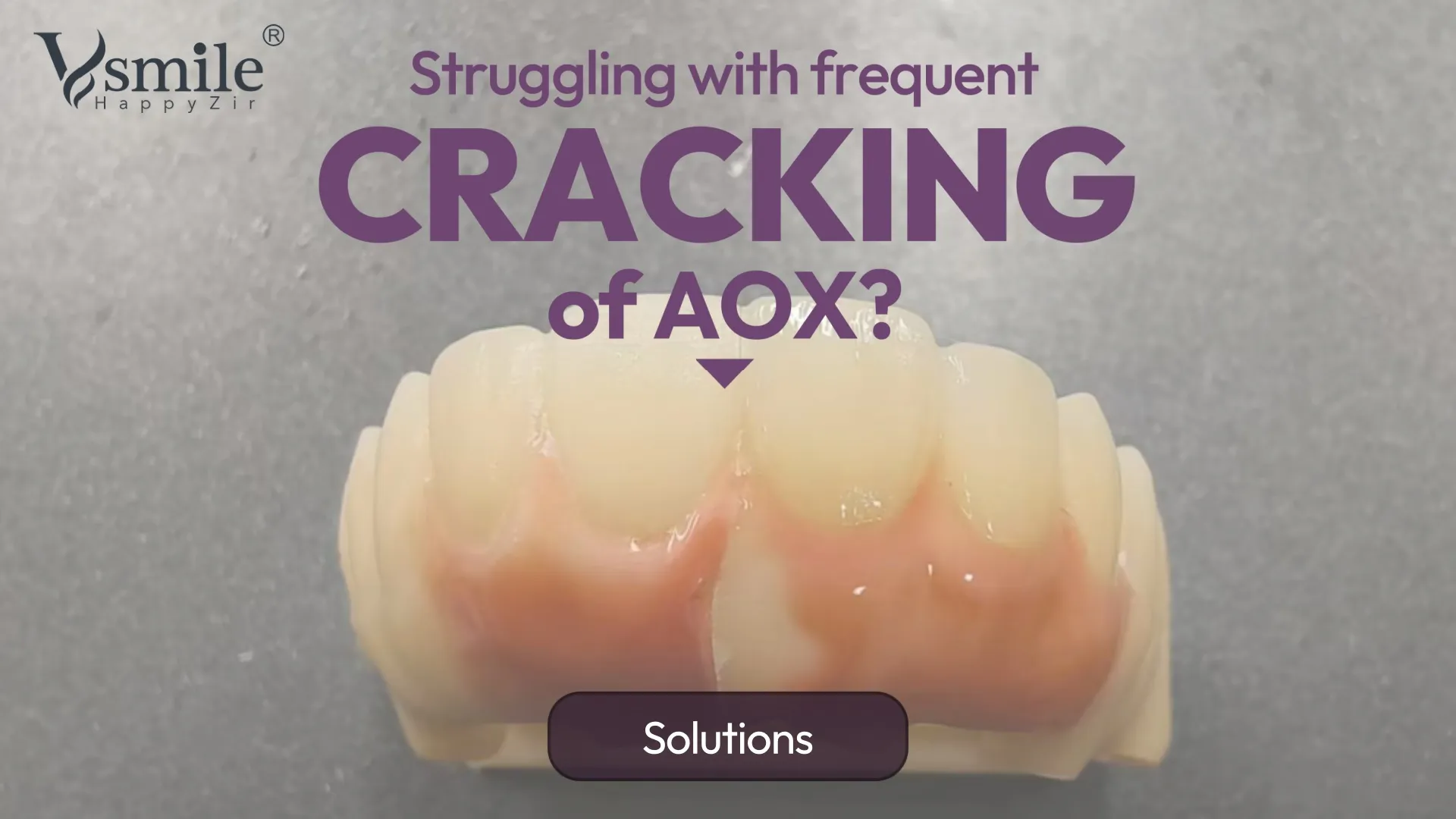
Fracture and microcracks are among the most critical failure modes in All-on-X (AOX) zirconia restorations.
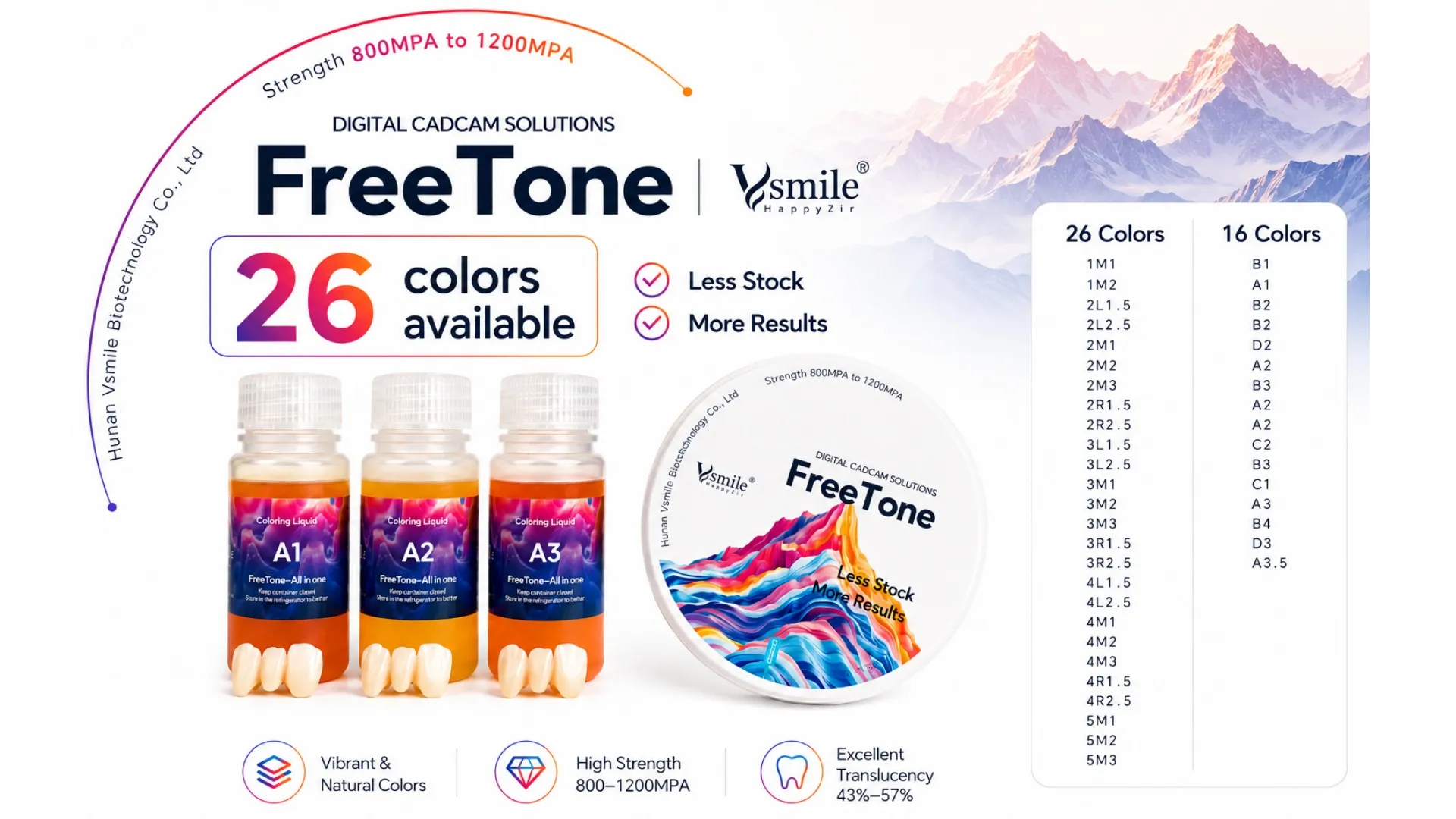
Whether you're crafting A1 or D4, FreeTone White Zirconia Disc gives you total shade control with just one SKU — streamlining inventory and increasing productivity.

Voices from Vsmile Global Partners — Stories of Trust, Growth, and Smiles We Create Together.
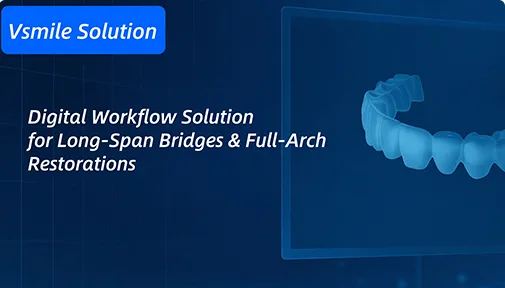
Long-span and full-arch restorations represent some of the most complex and failure-prone procedures in digital dentistry. Challenges include connector fractures, marginal misfits, sintering deformation, and low clinical longevity. Labs and clinics face a high rate of remakes, increased cost, and pressure to maintain quality under tight delivery deadlines.
2025.5.22

Vsmile offers a complete, validated digital workflow — from scanning to final zirconia bridge — that helps labs and clinics deliver life-changing smiles faster, with greater confidence and repeatable quality.


Tel: +86-731-85682958
Fax: +86-731-85682958
WhatsApp: +8615084896166/+8618569525651
Email: [email protected]
Address:
Room 1202-1203, Building A4,Huanchuang Corporate Park,No.2450, Yuelu West Avenue, Changsha Hi-tech Development District, Changsha, China.


























 EN
 fr
 ru
 nl
 uk
 fil
 lo
 ko
 it
 es
 el
 pt
 de
 th
 be
 sq
 tr
 ar
 vi
 pl