



























 EN
 fr
 ru
 nl
 uk
 fil
 lo
 ko
 it
 es
 el
 pt
 de
 th
 be
 sq
 tr
 ar
 vi
 pl

1. Dental Zirconia Discs: Build a More Versatile Material Inventory
Zirconia is a core material in many digital dental laboratories. It is used to manufacture a range of restorations, including crowns, bridges, veneers, and implant-supported restorations, depending on the material's indications and the restoration design.
For laboratories with regular zirconia production, purchasing the right zirconia inventory can be more valuable than simply buying a larger quantity of one material.
What Should You Consider When Buying Zirconia?
Strength and translucency: Different zirconia formulations are designed to balance mechanical properties and optical characteristics. Higher-strength formulations are often considered when strength is a priority, while more translucent formulations may be suitable for selected aesthetic applications. Material selection should always follow the manufacturer's indications and restoration design requirements.
Layer structure and shade gradient: Multilayer zirconia discs provide transitions in shade and translucency through the blank. Layer structure and positioning influence how cervical, body, and incisal regions can be represented in the final restoration.
CAD/CAM compatibility: Confirm disc dimensions, thickness options, milling parameters, and recommended sintering schedules before purchasing.
Which Zirconia Products Should a Lab Consider?
- 3Y zirconia: Consider for applications where high strength is a priority.
- 4Y zirconia: Consider when balancing strength and translucency.
- 5Y zirconia: Consider for selected aesthetic applications where translucency is important, while evaluating its mechanical properties and indications.
- Multilayer zirconia: Consider when a natural-looking shade and translucency gradient is required.
- Full-arch zirconia: Evaluate materials specifically indicated for the intended implant-supported restoration.
Vsmile Zirconia Solutions
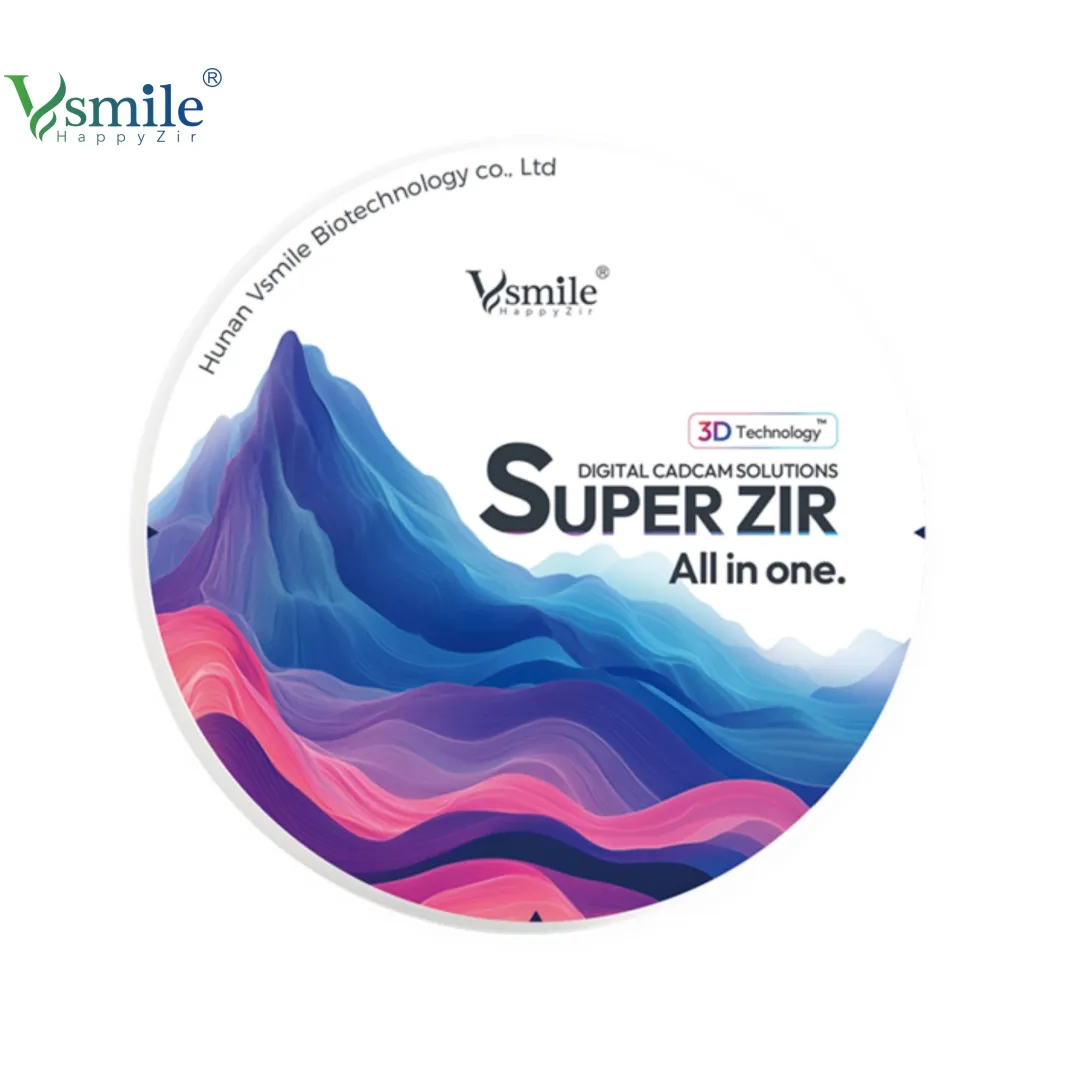
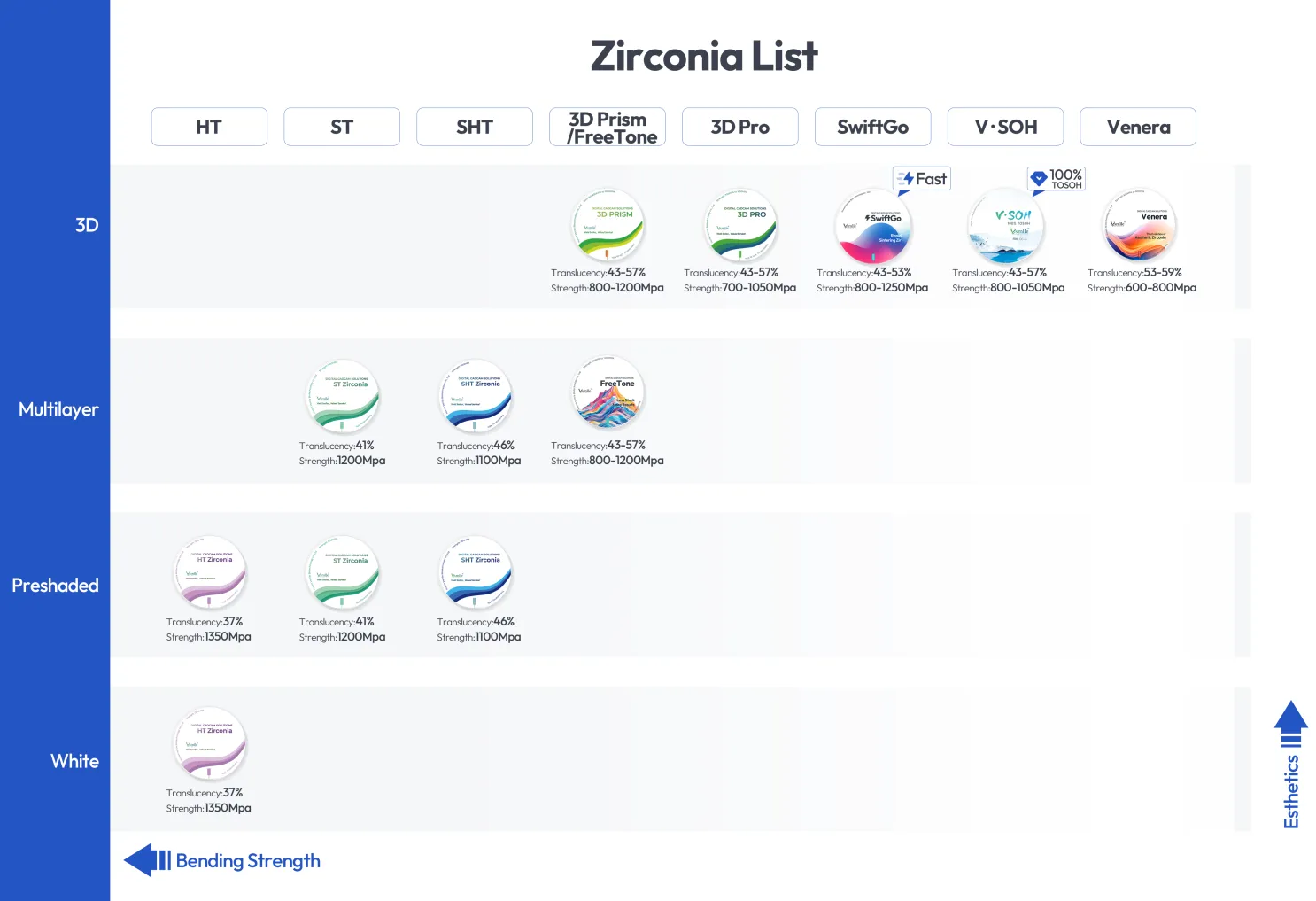
Vsmile offers a range of zirconia options for different laboratory workflows, including HT, ST, SHT, 3D Pro, 3D Prism, and ArchMax.
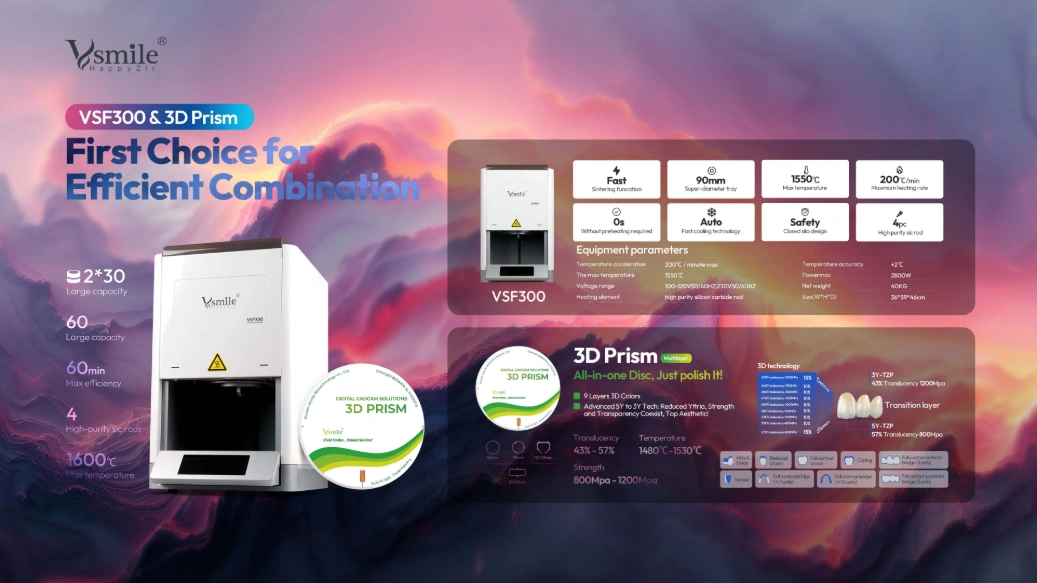
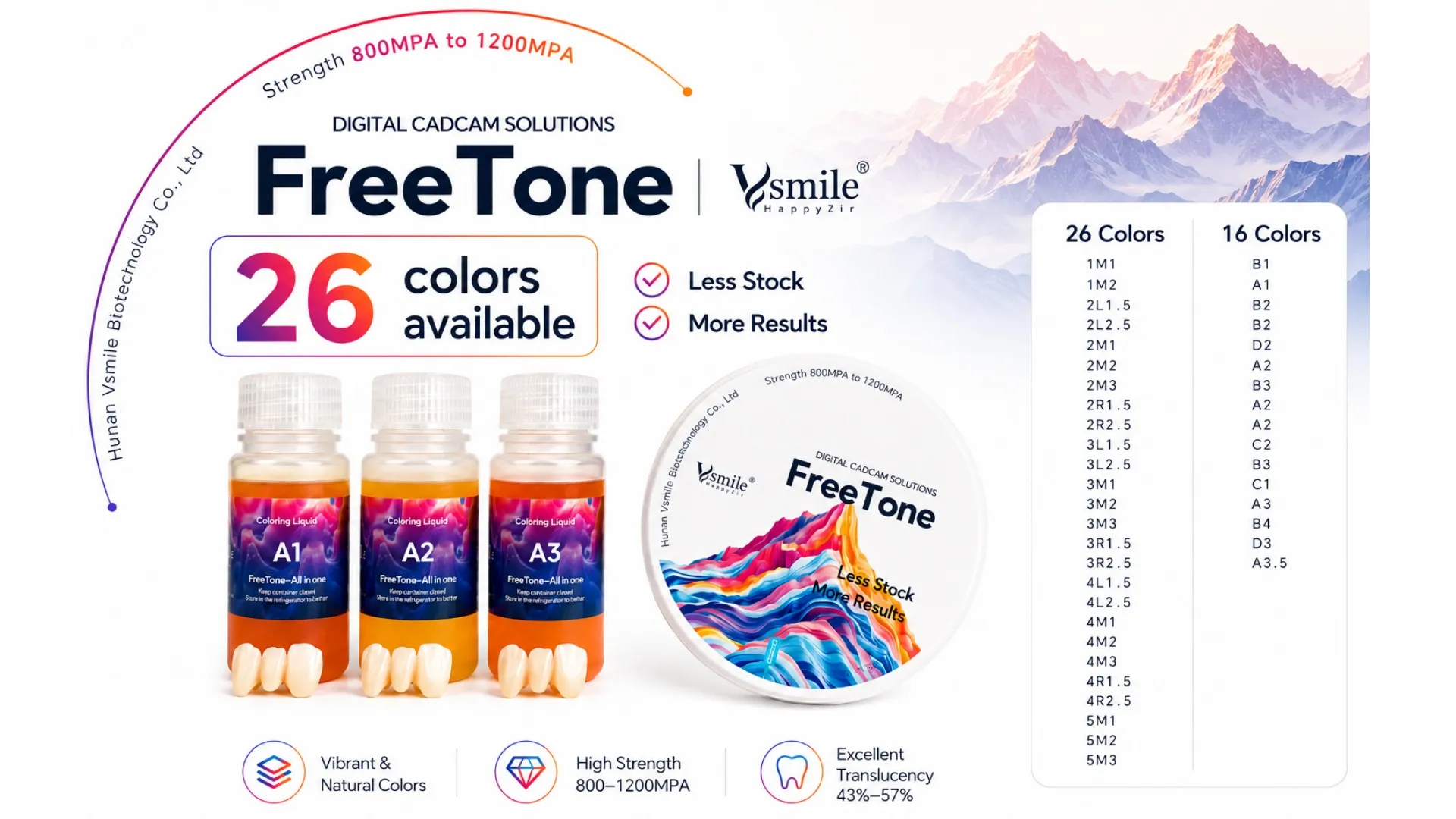
For example, Vsmile 3D Prism multilayer zirconia features a 9-layer gradient with a specified strength range of 800–1200 MPa and translucency range of 43%–57%. Its material selection should be matched to the restoration indication and design.
Explore the complete range of Vsmile dental zirconia products to compare material options. Limited-time offer now on.
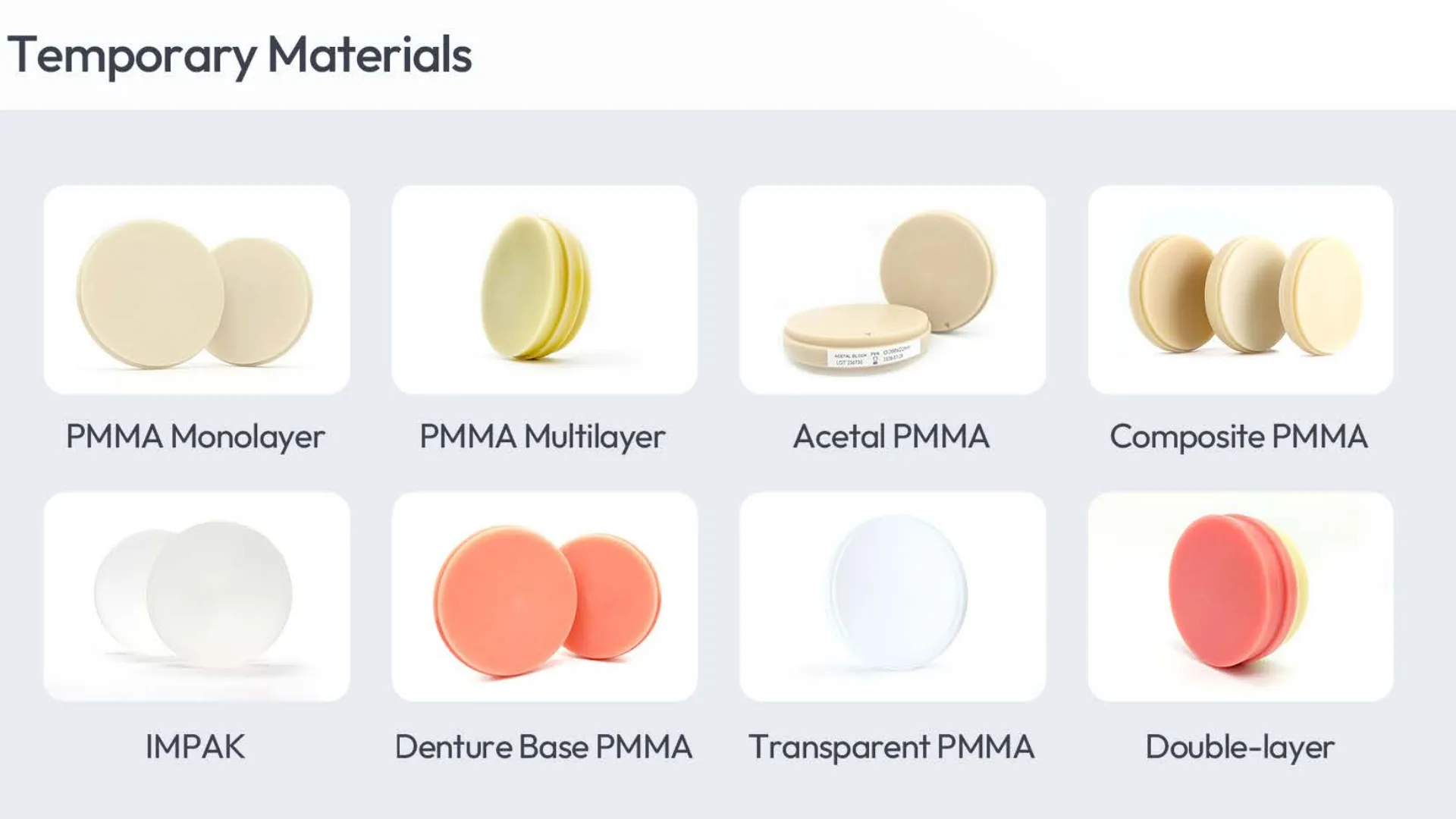
2. Dental PMMA Discs: Expand Your Provisional Restoration Capabilities
PMMA (polymethyl methacrylate) is widely used in dental CAD/CAM workflows for provisional restorations and other applications specified by the material manufacturer.
For laboratories that already mill zirconia, adding suitable PMMA materials can help expand the range of services they provide without relying on zirconia for every case.
Why Should Dental Labs Consider PMMA?
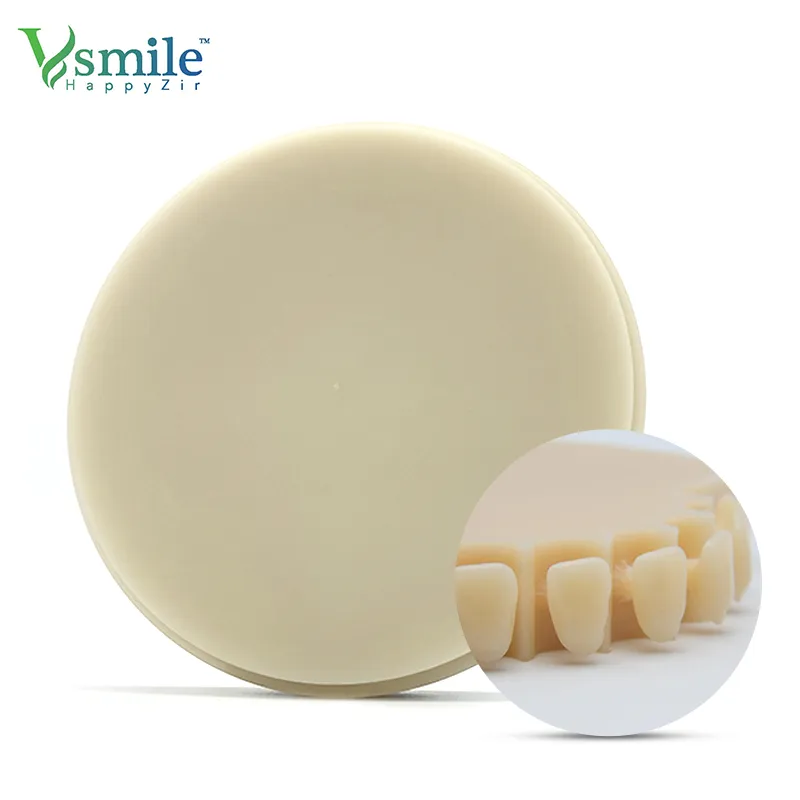
PMMA CAD/CAM discs are available in different shades, thicknesses, and material configurations. Depending on the product's intended use, they may be used to manufacture provisional crowns and bridges, denture teeth, or other specified dental components.
What Should You Check Before Purchasing PMMA?
Intended application: Confirm whether the material is indicated for temporary crowns, bridges, denture teeth, or another application. Check the manufacturer's instructions for use.
Shade and multilayer options: Monochromatic and multilayer PMMA discs serve different aesthetic requirements. Consider your laboratory's typical provisional restoration cases.
CAD/CAM compatibility: Check disc diameter, thickness, holder or adapter requirements, and compatibility with your milling machine.
Material consistency and supply: For recurring provisional cases, consistent availability and shade selection can simplify inventory planning.
Vsmile PMMA Materials
Vsmile offers different PMMA configurations for digital dental laboratories. The Vsmile Multilayer PMMA Discs feature a 15-layer gradient design and are offered in multiple sizes and thicknesses.
Laboratories can also explore Monolayer PMMA Discs for applications requiring a uniform color structure.
View the complete Vsmile PMMA product range to compare available configurations.
3. CAD/CAM Milling Machines: Invest in the Production Capabilities You Actually Need
A milling machine is one of the most important investments in a digital dental laboratory. It affects which materials you can process, what types of restorations you can produce, and how your production workflow is organized.
However, the most expensive or highly automated machine is not necessarily the best choice for every laboratory. The right machine should match your production requirements and integrate with your existing digital workflow.
Five Factors to Evaluate Before Buying a Dental Milling Machine
1. Dry milling or wet milling: Dry milling is commonly used for zirconia, PMMA, wax, and other materials approved for dry processing. Wet milling is used for materials that require coolant during machining, such as many glass ceramics. Confirm material compatibility for the selected machine.
2. Number of axes: Four-axis and five-axis machines differ in movement capabilities and machining flexibility. Five-axis milling can provide greater access to complex geometries and undercuts, depending on the machine and software.
3. Tool magazine and automatic tool changing: The number of available tools and automatic tool-changing system can influence workflow flexibility, especially when processing different materials and restoration types.
4. Spindle performance and machining precision: Spindle power, rotational speed, machine rigidity, calibration, and tooling all influence machining performance. Ask how the stated accuracy is defined and measured.
5. Technical support and maintenance: Confirm installation guidance, training, spare parts, maintenance instructions, and technical support before purchasing.
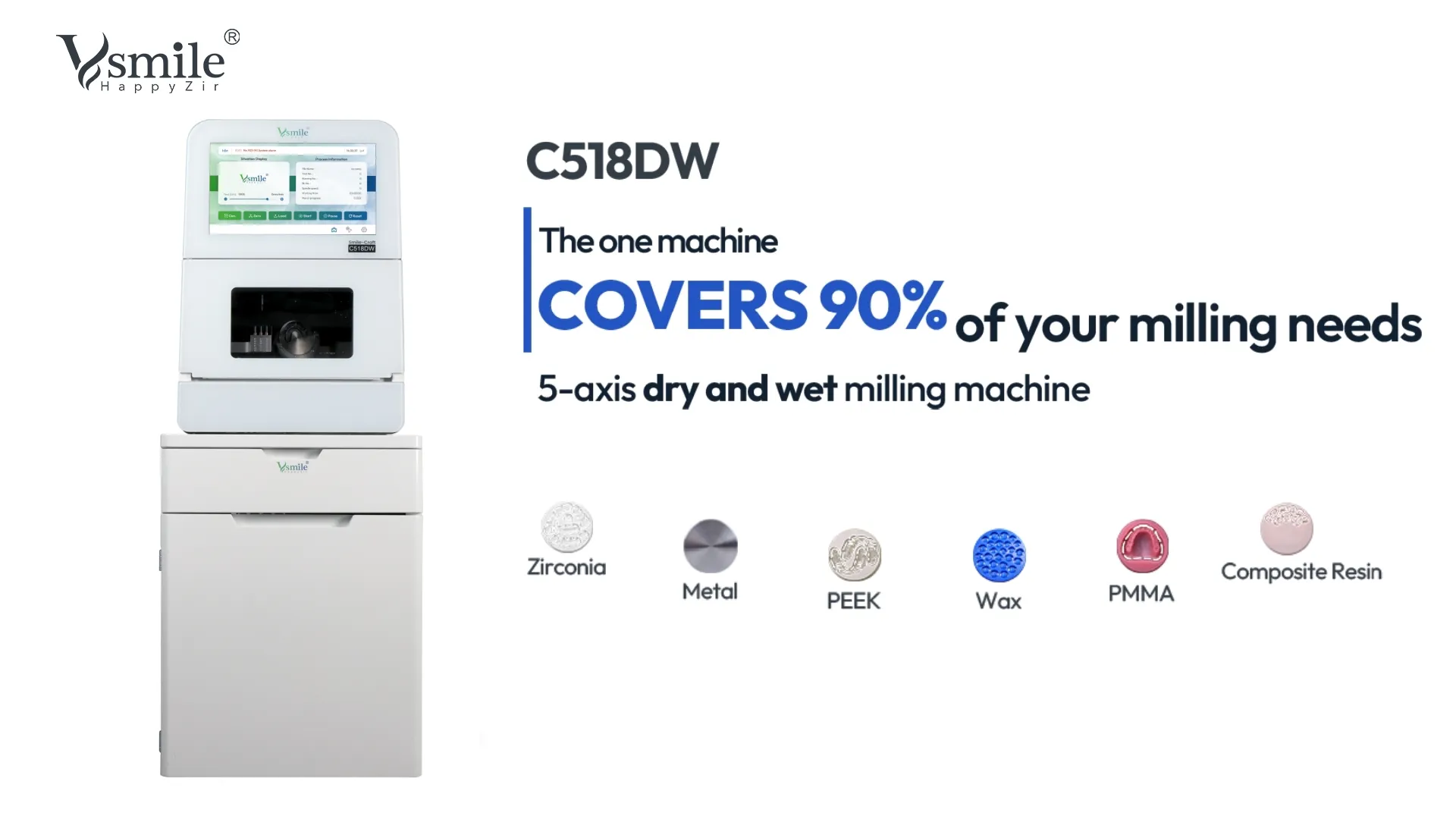
Vsmile C518DW: A Dry/Wet Milling Option for Digital Laboratories
The Vsmile C518DW Dry/Wet 5-Axis Dental Milling Machine is designed to support different CAD/CAM production requirements.
- Five-axis machining
- Dry and wet milling capabilities
- 18-tool automatic changer
- 2.5 kW water-cooled spindle
- Up to 60,000 rpm spindle speed
- Support for zirconia, glass ceramics, PMMA, wax, PEEK, titanium, and other specified materials
Before ordering, confirm the machine's electrical requirements, material compatibility, CAM software configuration, and installation conditions with the Vsmile technical team.
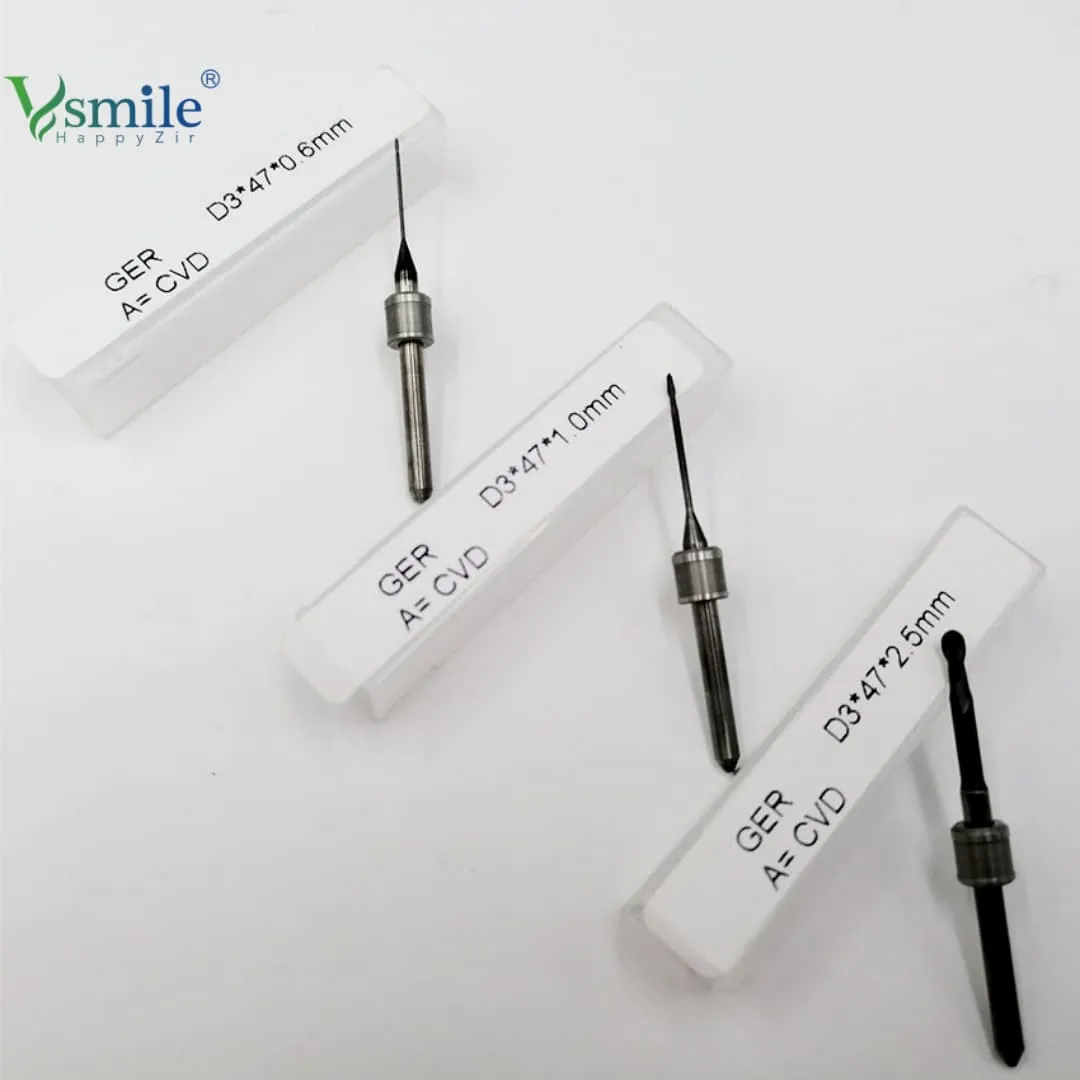
You can also explore Vsmile dental milling machines and compatible C518DW milling tools.
4. Zirconia Sintering Furnaces: Improve Your Laboratory's Post-Milling Workflow
Milling is only one stage in zirconia restoration production. After milling, presintered zirconia restorations must undergo the appropriate sintering process to achieve their final material properties.
A sintering furnace is therefore an essential part of a laboratory's zirconia workflow.
What Matters When Choosing a Zirconia Sintering Furnace?
Temperature control and calibration: Accurate temperature control is important for achieving the intended sintering result. Follow the furnace manufacturer's maintenance and calibration recommendations.
Heating and cooling programs: Different restoration sizes, structures, and zirconia materials may require different sintering schedules. Fast-sintering programs should only be used when approved for the specific material and restoration design.
Chamber capacity: Consider how many restorations you normally process per cycle and whether the chamber accommodates your typical workload.
Program management: If your laboratory uses multiple zirconia materials, the ability to save and manage different firing programs can make daily operation more convenient.
Daily production requirements: Evaluate cycle duration, loading capacity, operating frequency, maintenance requirements, and how the furnace fits into your milling schedule.
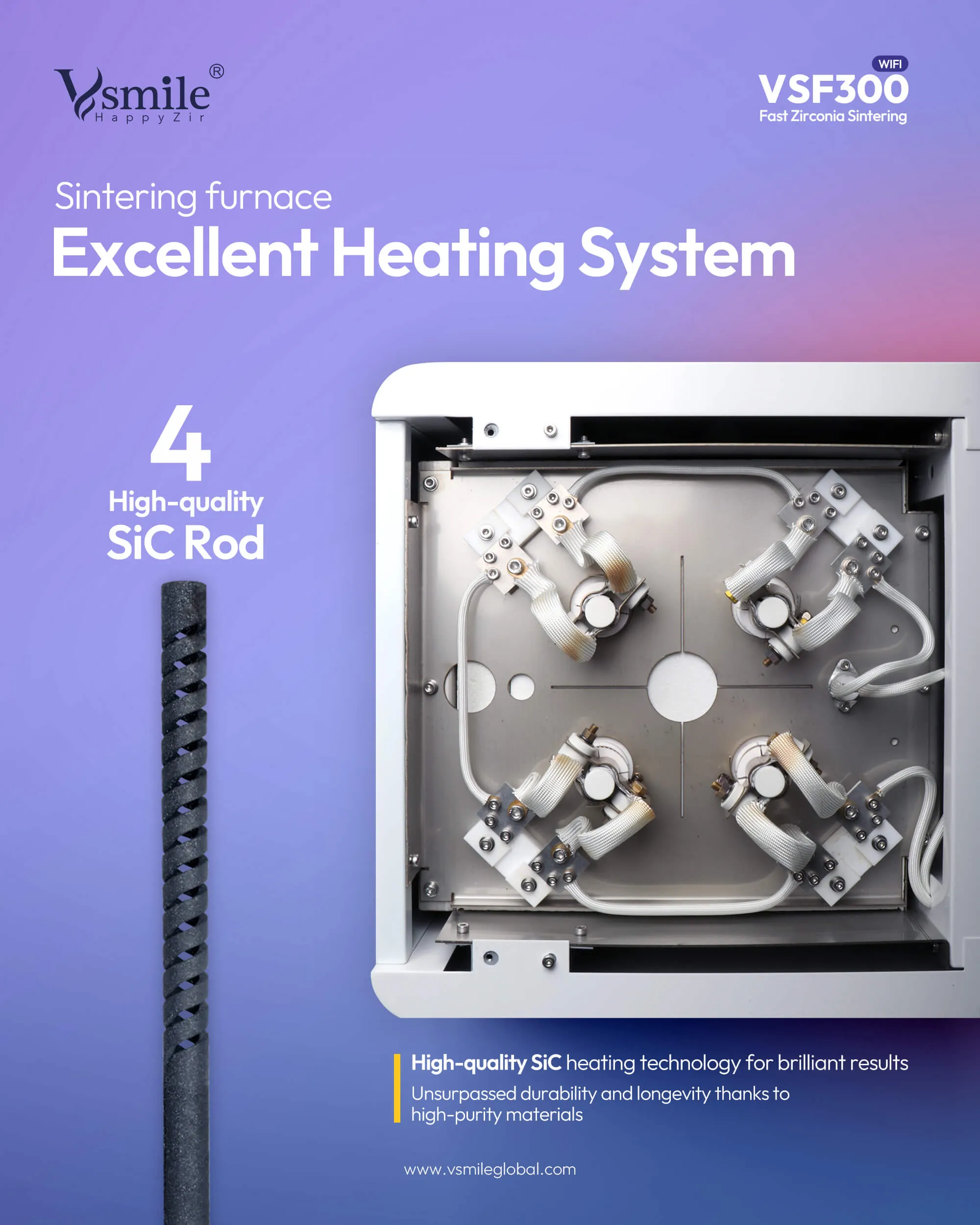
Vsmile VSF300: Designed for Flexible Zirconia Production
The Vsmile VSF300 Fast Zirconia Sintering Furnace combines fast and conventional sintering functions in one furnace.
- Fast and conventional sintering modes
- Maximum heating rate of 200°C/min
- Up to 60 crowns per cycle with a 90 mm double-layer tray, subject to loading configuration
- Programmable sintering curves
- Wi-Fi monitoring and stop functions on the Wi-Fi version
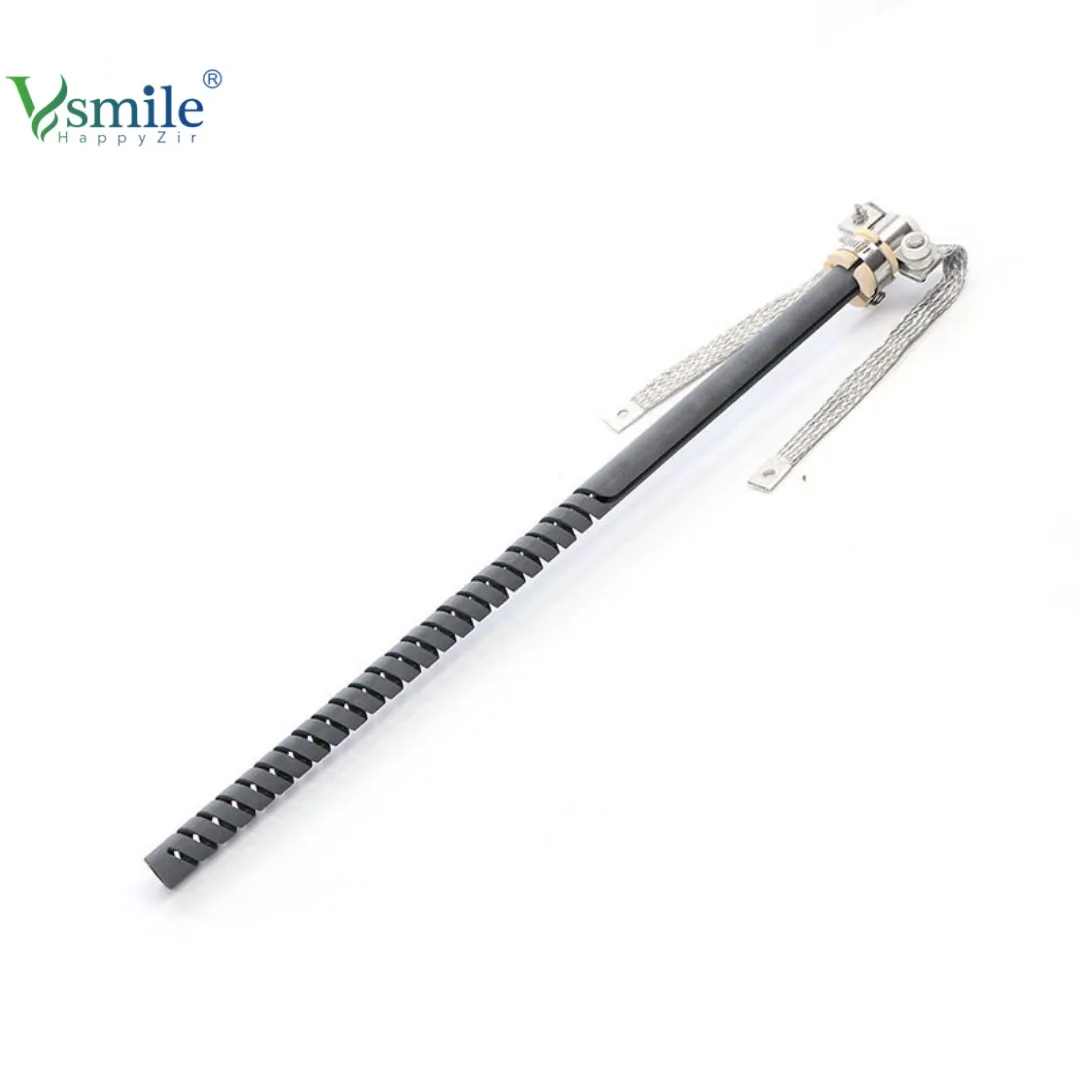
- Silicon carbide heating elements
The VSF300 can be considered by laboratories that need both conventional and fast-sintering options. The appropriate program must always follow the zirconia manufacturer's instructions and the restoration's requirements.
Explore more Vsmile CAD/CAM equipment and discuss your sintering requirements with our team.
5. Dental Porcelain Furnaces: Support Aesthetic Ceramic Workflows
A zirconia sintering furnace and a porcelain furnace serve different purposes. They should not be treated as interchangeable equipment.
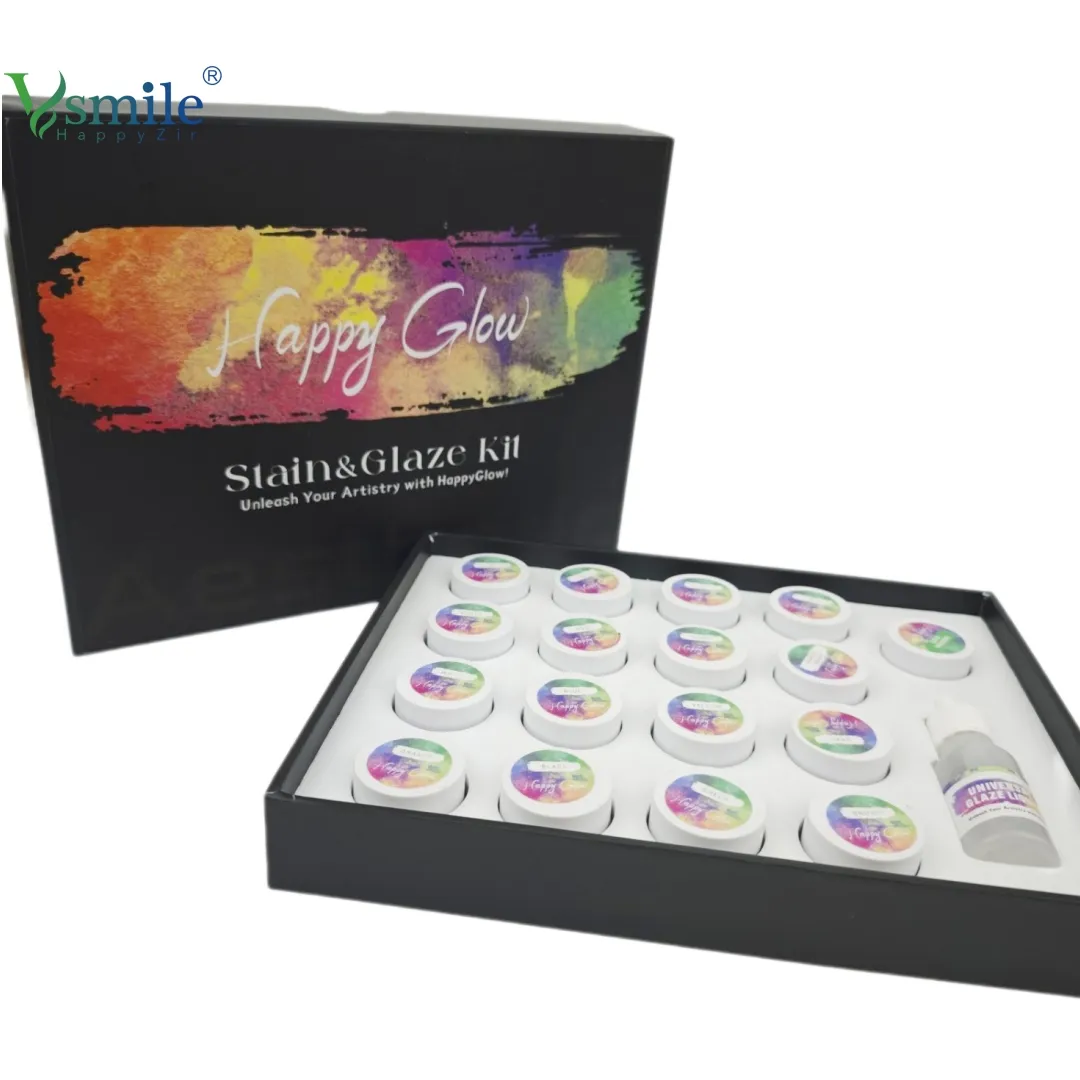
A zirconia sintering furnace processes presintered zirconia. A porcelain furnace is used for ceramic firing procedures such as veneering, stain, and glaze firing, according to the ceramic system's instructions.
What Should You Consider Before Purchasing a Porcelain Furnace?
Temperature accuracy and calibration: Ceramic firing results depend on the firing program and actual conditions inside the furnace. Temperature calibration and regular maintenance are important for reproducible results.
Vacuum performance: Some ceramic systems and firing procedures require vacuum. Check whether the furnace supports the vacuum functions required by your materials.
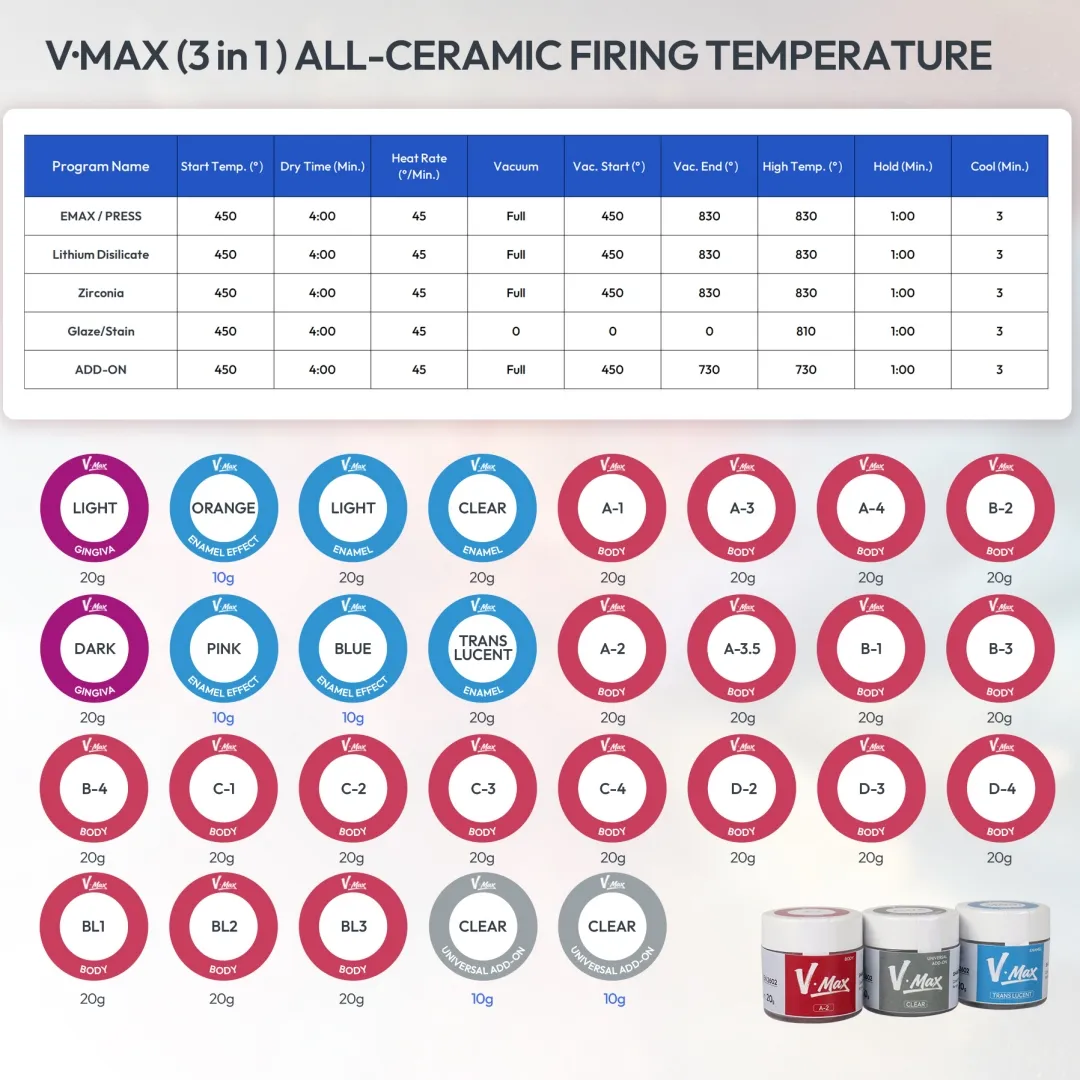
Programmable firing parameters: Check whether the furnace allows control of drying time, preheating, heating rate, final temperature, holding time, vacuum settings, and cooling parameters where required.
Program storage and operation: If your laboratory works with several ceramic systems, the ability to save customized firing programs can help organize daily production.
Workspace and installation: Consider dimensions, weight, power supply, ventilation, and installation requirements before purchasing.
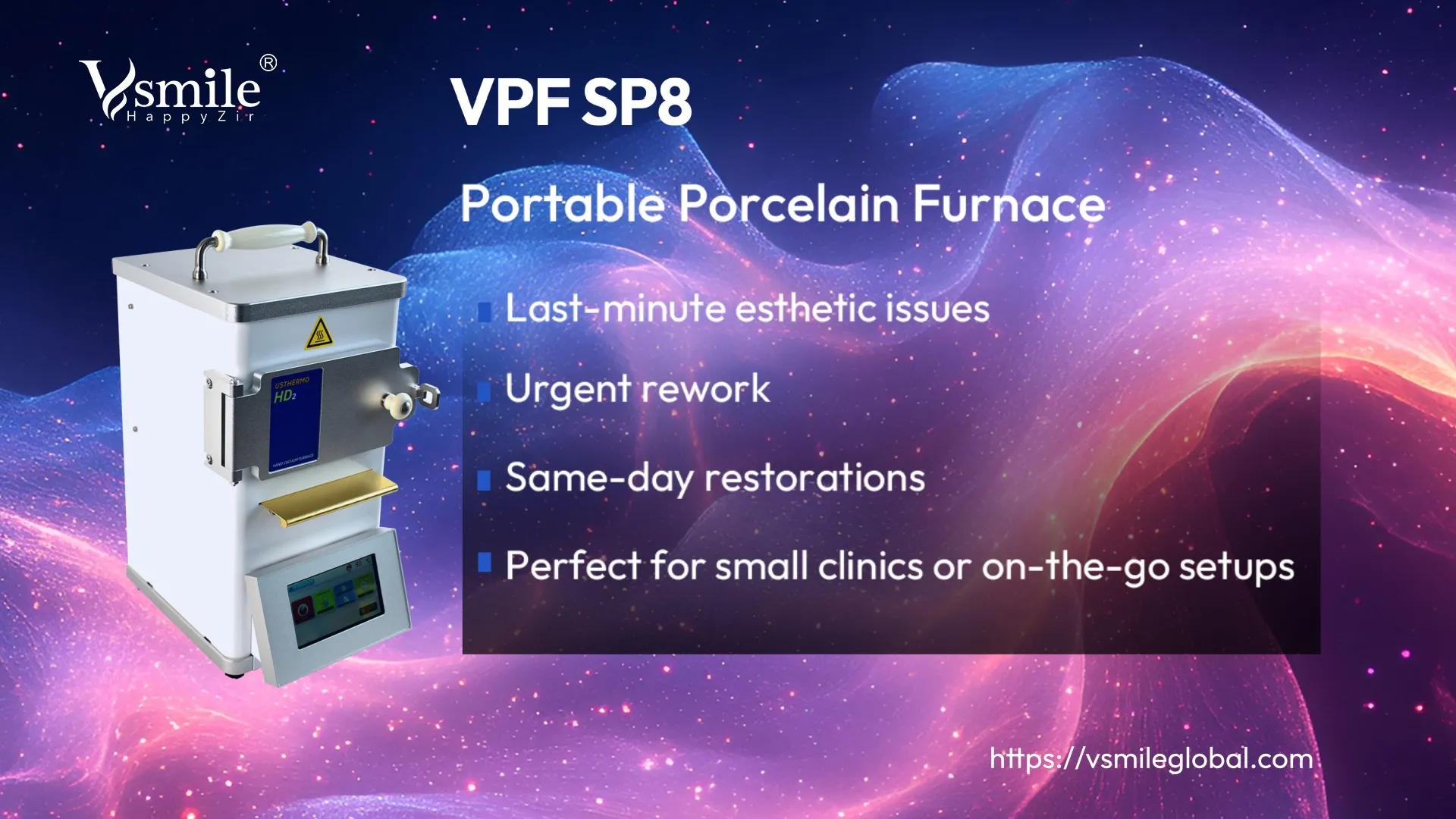
Vsmile VPF SP8: A Compact Porcelain Furnace for Dental Laboratories
The Vsmile VPF SP8 Portable Vacuum Porcelain Furnace is designed for dental ceramic firing workflows.
- Maximum temperature of 1100°C
- Built-in vacuum system
- Up to 50 built-in and customized programs
- Programmable drying, heating, holding, and cooling parameters
- Single-curve and two-curve firing modes
- Touchscreen operation
- Available voltage configurations for different markets
Before ordering, confirm the available voltage version, local power requirements, and compatibility with the ceramic materials and firing procedures used in your laboratory.
How to Prioritize Your Black Friday CAD/CAM Purchases
Not every laboratory needs to purchase all five product categories. A better approach is to identify the biggest limitation in your current workflow.
| Your Laboratory's Situation | Products to Evaluate First | Why |
|---|---|---|
| High zirconia consumption | Zirconia discs | Review material costs, shades, thicknesses, and inventory. |
| Regular provisional cases | PMMA discs | Expand material options for provisional workflows. |
| Increasing milling demand | CAD/CAM milling machine | Review production capacity and material compatibility. |
| Furnace scheduling bottlenecks | Zirconia sintering furnace | Evaluate chamber capacity and suitable firing programs. |
| Convenient ceramic layering and finishing work | Porcelain furnace | Support ceramic firing, stain, and glaze procedures. |
A Practical Purchasing Checklist
- Is it compatible with my existing CAD/CAM system?
- Are the material indications and processing instructions clear?
- Have I checked the required disc sizes, machine configuration, and accessories?
- Are the voltage and electrical requirements suitable for my location?
- What installation, training, maintenance, and technical support are available?
- Does the purchase offer value beyond the initial discount?
A well-planned purchase should improve your laboratory's workflow, not simply increase the amount of equipment or material in stock.
Why Consider Vsmile for Your CAD/CAM Dental Lab Needs?
A digital dental laboratory needs more than individual products. Its workflow connects materials, design, milling, sintering, ceramic finishing, and technical support.
Vsmile provides a range of CAD/CAM dental materials and equipment, including zirconia, PMMA, milling machines, zirconia sintering furnaces, and porcelain furnaces.
For laboratories, milling centers, and distributors, working with a supplier that offers multiple product categories can make it easier to discuss material and equipment requirements together.
Explore the Vsmile product portfolio to review available dental materials and CAD/CAM equipment.
Get Your Black Friday Offer from Vsmile
Planning to upgrade your dental laboratory before the end of 2026?
Tell us what your laboratory needs. Whether you are looking for zirconia discs, PMMA materials, a new milling machine, a sintering furnace, or a porcelain furnace, the Vsmile team can help you review the available options.
Contact Vsmile for Your OfferFrequently Asked Questions
1. What CAD/CAM products should a dental laboratory buy during Black Friday?
The right products depend on the laboratory's production volume and workflow. Common categories to evaluate include zirconia discs, PMMA discs, CAD/CAM milling machines, zirconia sintering furnaces, and porcelain furnaces.
2. Is it better to buy dental zirconia in bulk during Black Friday?
Bulk purchasing may be useful for laboratories with predictable zirconia consumption. Before ordering, evaluate shade demand, disc thickness, material indications, storage, shelf-life information, and inventory turnover.
3. What is the difference between a zirconia sintering furnace and a porcelain furnace?
A zirconia sintering furnace processes presintered zirconia at the temperatures required for sintering. A porcelain furnace is used for ceramic firing procedures such as veneering, stain, and glaze firing. They serve different purposes and are not interchangeable.
4. Should a dental laboratory choose a dry or wet milling machine?
The choice depends on the materials being processed. Dry milling is commonly used for zirconia and certain other materials, while wet milling is used for materials that require coolant, such as many glass ceramics. Always confirm the machine's approved material compatibility.
5. What should I check before buying a dental milling machine?
Review the machine's axis configuration, dry or wet processing capability, supported materials, tool magazine, spindle specifications, accuracy measurement method, software compatibility, installation requirements, and technical support.
6. Can one zirconia sintering program be used for all zirconia materials?
Not necessarily. Different zirconia materials and restoration designs may require different sintering schedules. Follow the material manufacturer's instructions and confirm that the furnace supports the required program.
7. How can I get a Vsmile Black Friday quotation?
Contact Vsmile with the product categories, quantities, and destination country you are interested in. The team can help confirm available products, configurations, and applicable offers. Send your inquiry to Vsmile.