Trusted by 6000+ Labs · ISO13485 Certified · Fast Delivery from 3 Factories

In most Peruvian dental labs, zirconia and PMMA are not competing materials—they are used together every day. Yet when lab owners review monthly performance, the same discussion often comes up:
Which material actually drives better profit: zirconia or PMMA?
The answer depends less on material price and more on how each material is positioned in your workflow.
Zirconia and PMMA are designed for different clinical and business purposes.
Zirconia is commonly chosen for:
Final crowns and bridges
Posterior restorations requiring high strength
Implant-supported restorations
Long-term esthetic cases
PMMA is typically used for:
Temporary crowns and bridges
Provisional restorations
Try-in cases and diagnostic mock-ups
In the Peruvian market, PMMA cases tend to move quickly and in volume, while zirconia cases carry higher value per unit.
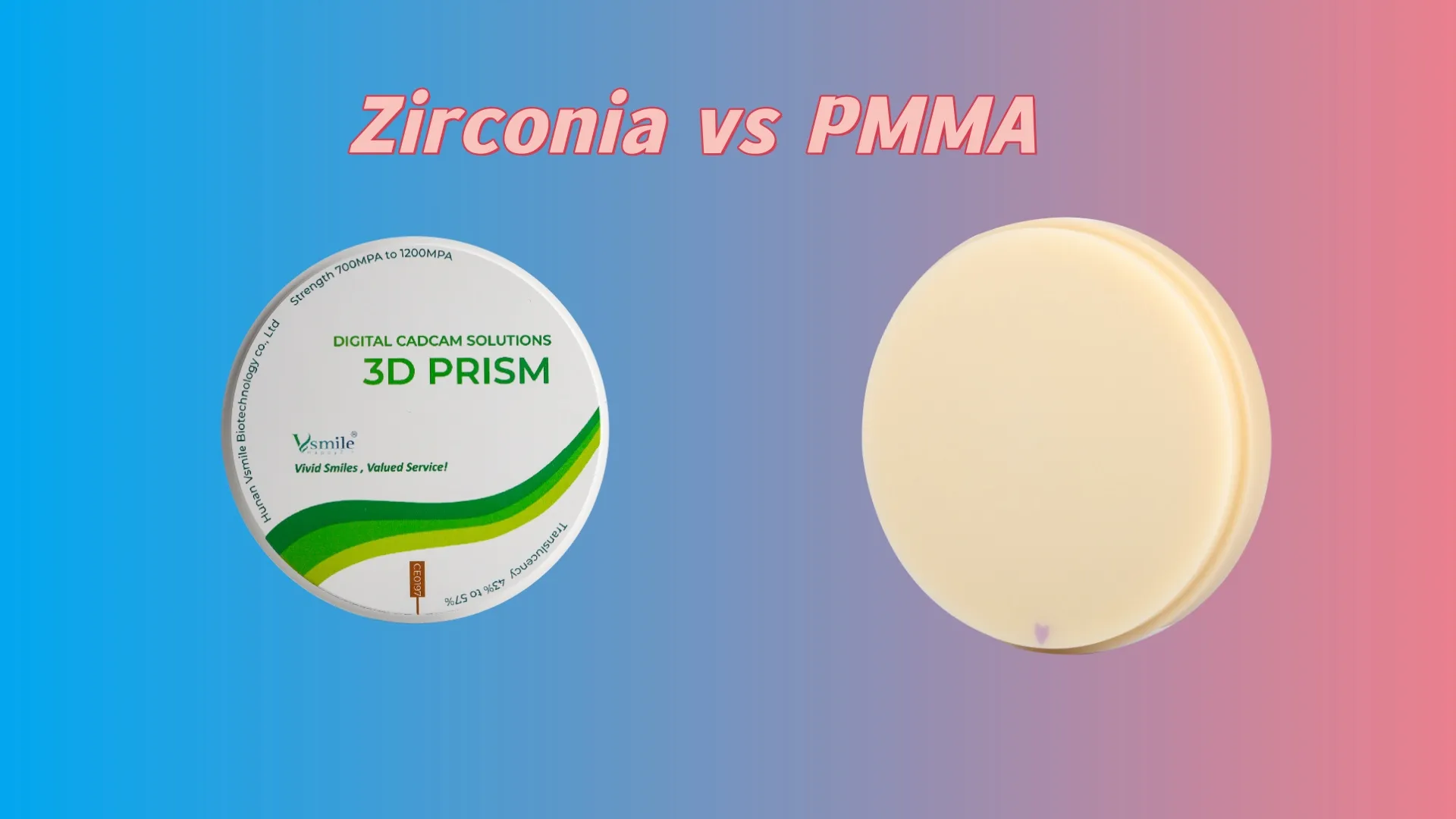
PMMA discs are less expensive and faster to mill. Tool wear is lower, and turnaround time is short.
Zirconia blocks cost more, but they also allow labs to:
Charge higher case fees
Deliver long-term restorations
Build stronger trust with clinics
Many labs discover that PMMA stabilizes cash flow, while zirconia defines overall profitability and reputation.
Time is one of the most underestimated costs in a lab.
Zirconia usually involves:
Longer sintering cycles
More careful handling
Higher technical skill
PMMA fits better into:
Same-day or next-day delivery
High-throughput workflows
Training environments for junior technicians
This is why some Peruvian labs rely heavily on PMMA for provisional stages, then move to zirconia once everything is confirmed.
Remakes directly reduce profit.
Zirconia remakes are costly—not just in material, but also in time and client confidence. PMMA remakes, by comparison, are easier to absorb.
To reduce risk, many labs follow a proven sequence:
PMMA try-in or provisional
Occlusion and esthetics verification
Final zirconia restoration
This approach improves success rates and protects margins.
Regardless of material type, consistency is critical.
Labs prefer zirconia and PMMA that offer:
Stable shrinkage rates
Predictable milling behavior
Reliable color consistency between batches
This is why many Peruvian labs work with stable CAD/CAM material suppliers rather than constantly switching brands.
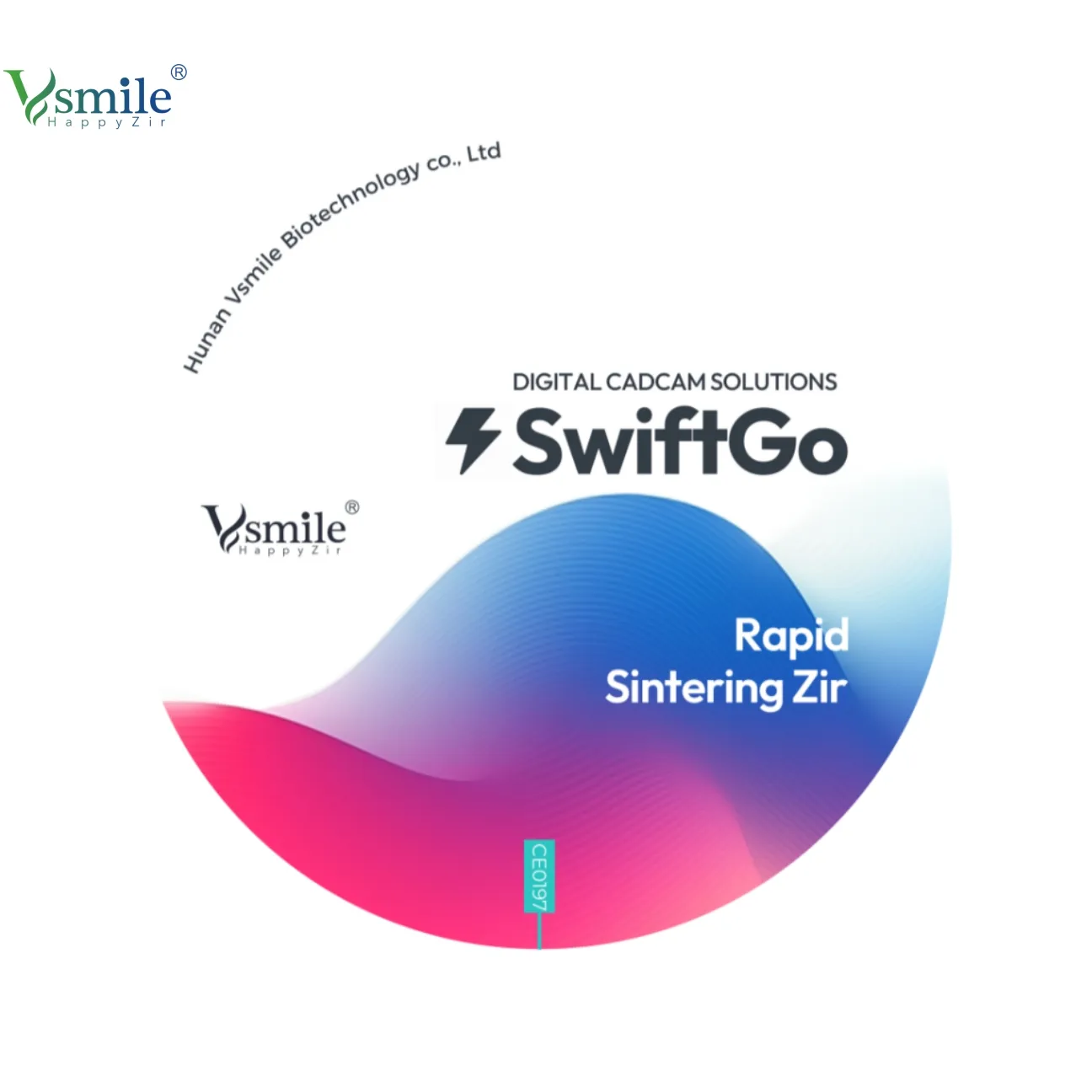
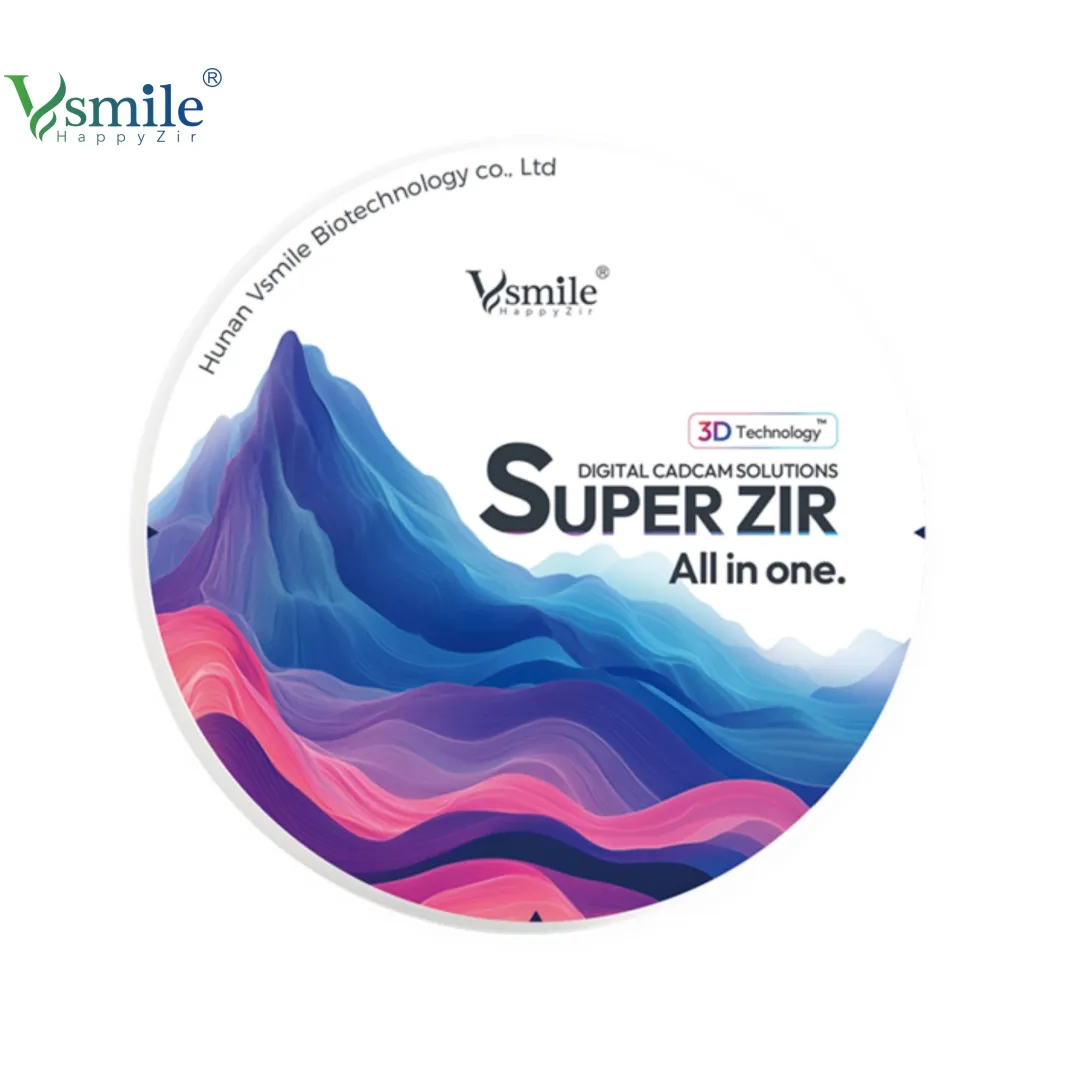
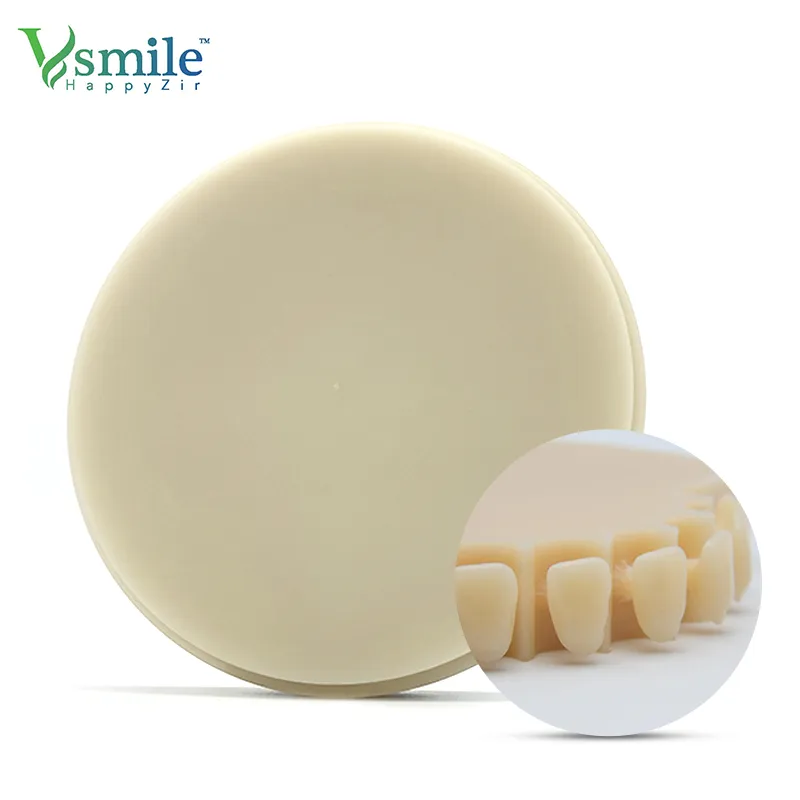
For example, suppliers like Vsmile provide both zirconia blocks and PMMA discs designed for daily lab use, allowing labs to standardize workflows across provisional and final restorations without constantly recalibrating processes.
You can see typical material options here:
Zirconia Blocks: https://www.vsmileglobal.com/product/Zirconia-Blocks
PMMA Discs: https://www.vsmileglobal.com/product/Other-Materials-PMMA-Discs
The value lies not in variety, but in repeatability.
Zirconia and PMMA are not an “either-or” decision.
For dental labs in Peru:
PMMA supports speed, flexibility, and volume
Zirconia supports quality, long-term value, and higher margins
Labs that understand where each material fits—and price their services accordingly—tend to grow more steadily and with fewer surprises.
In the end, profitability comes from strategy, not from the material alone.
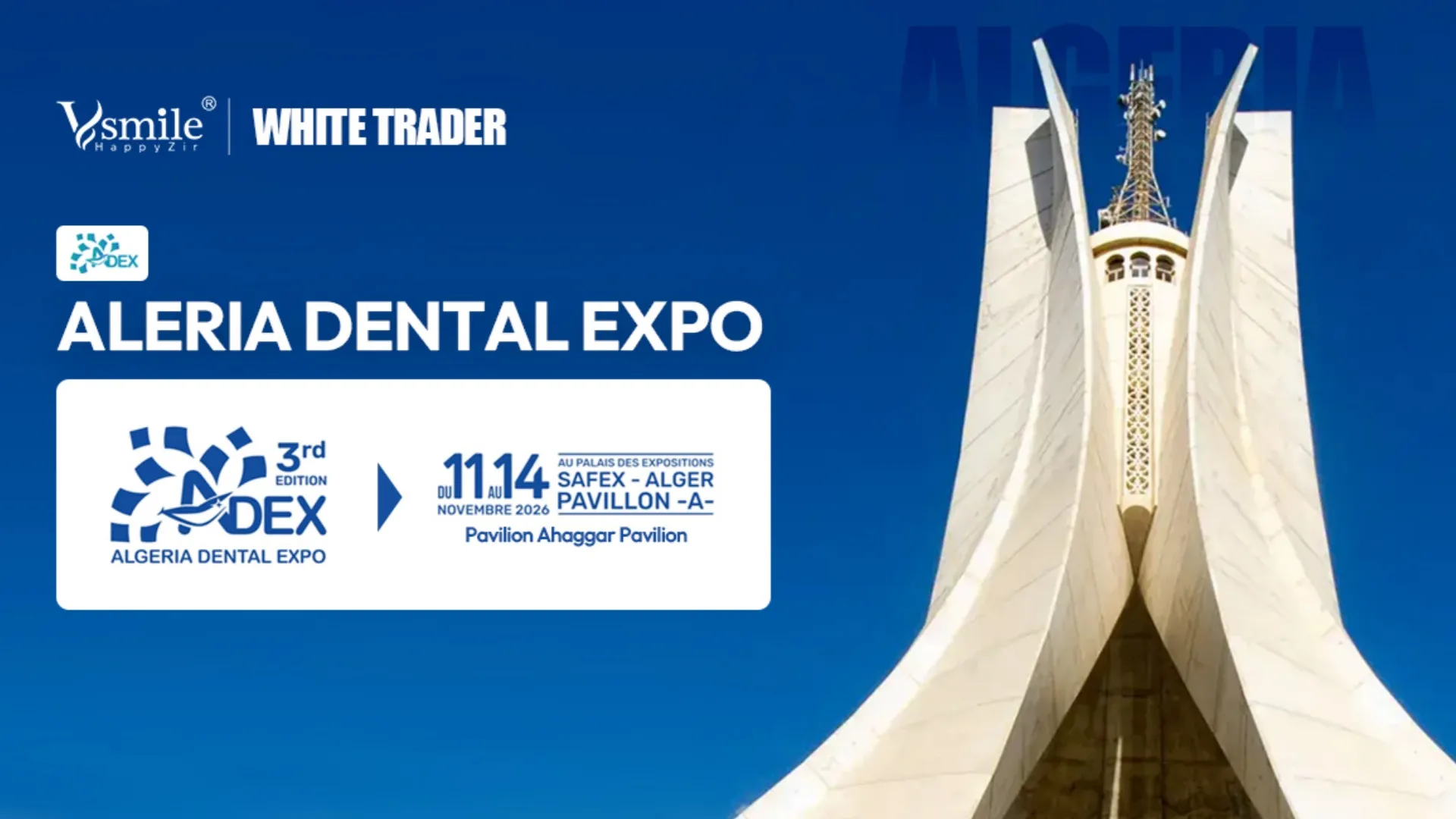
Vsmile is pleased to announce its participation in the 3rd Algerian Dental Expo (ADEX 2026), taking place from November 11 to 14, 2026, at the Palais des Expositions (SAFEX) in Algiers, Algeria.
At this year's exhibition, Vsmile will join its local distribution partner, WHITE TRADER, at Pavillon A. Together, the teams will connect with dental professionals and showcase dental materials, CAD/CAM solutions and practical applications for modern dental laboratory workflows.
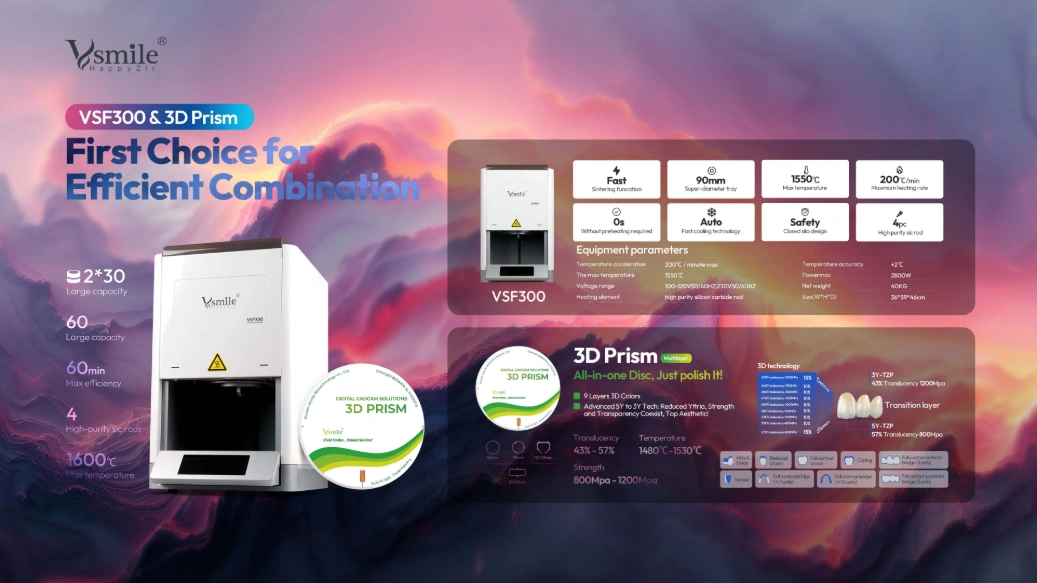
This bundle combines the powerful VSF300 fast sintering furnace with 4 pcs of 3D Prism multilayer zirconia blocks, delivering speed, capacity, and consistent esthetics in one package.
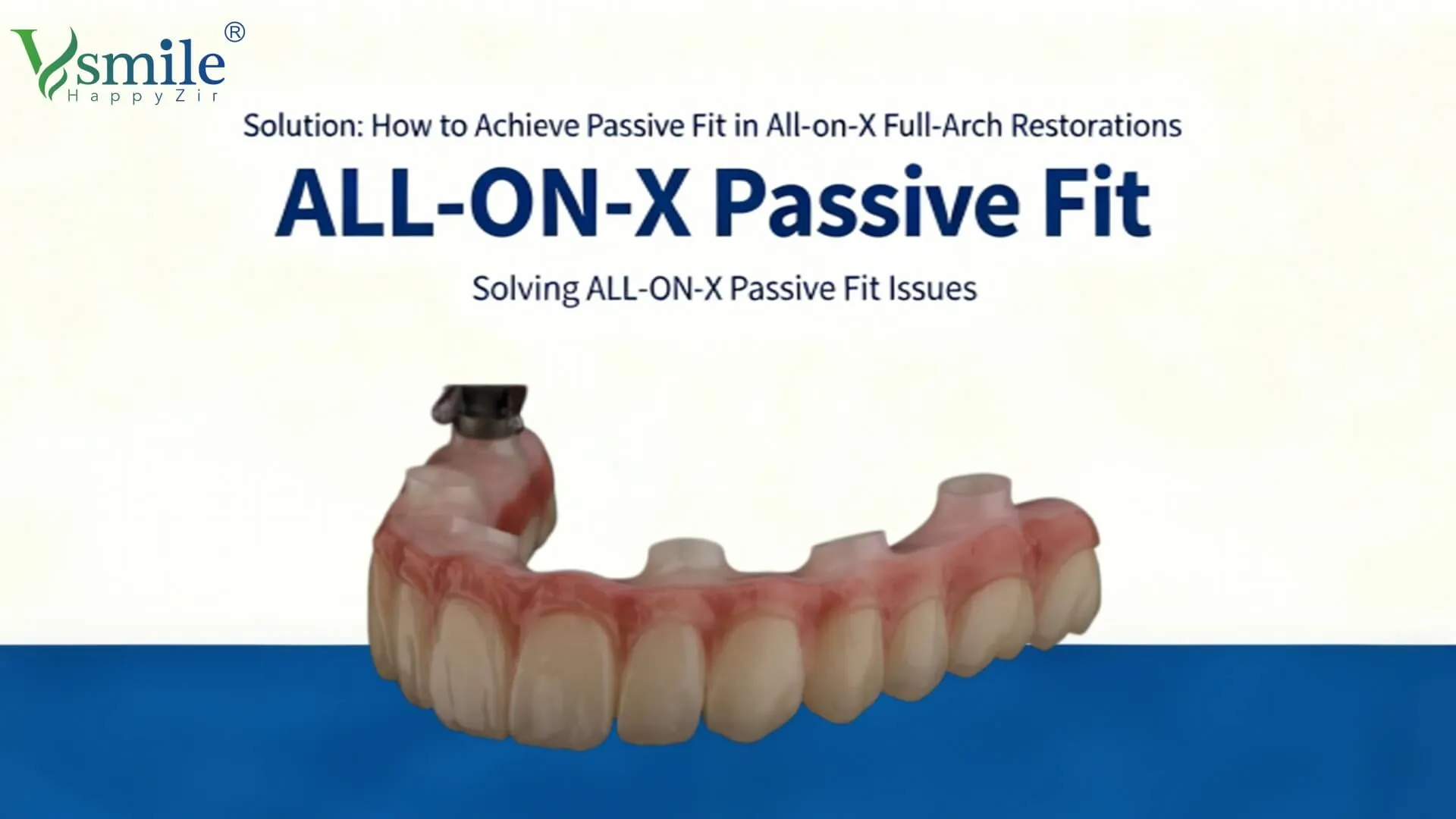
Passive fit failure is rarely caused by a single factor. Instead, it is the result of error stacking across the entire digital and manufacturing workflow.
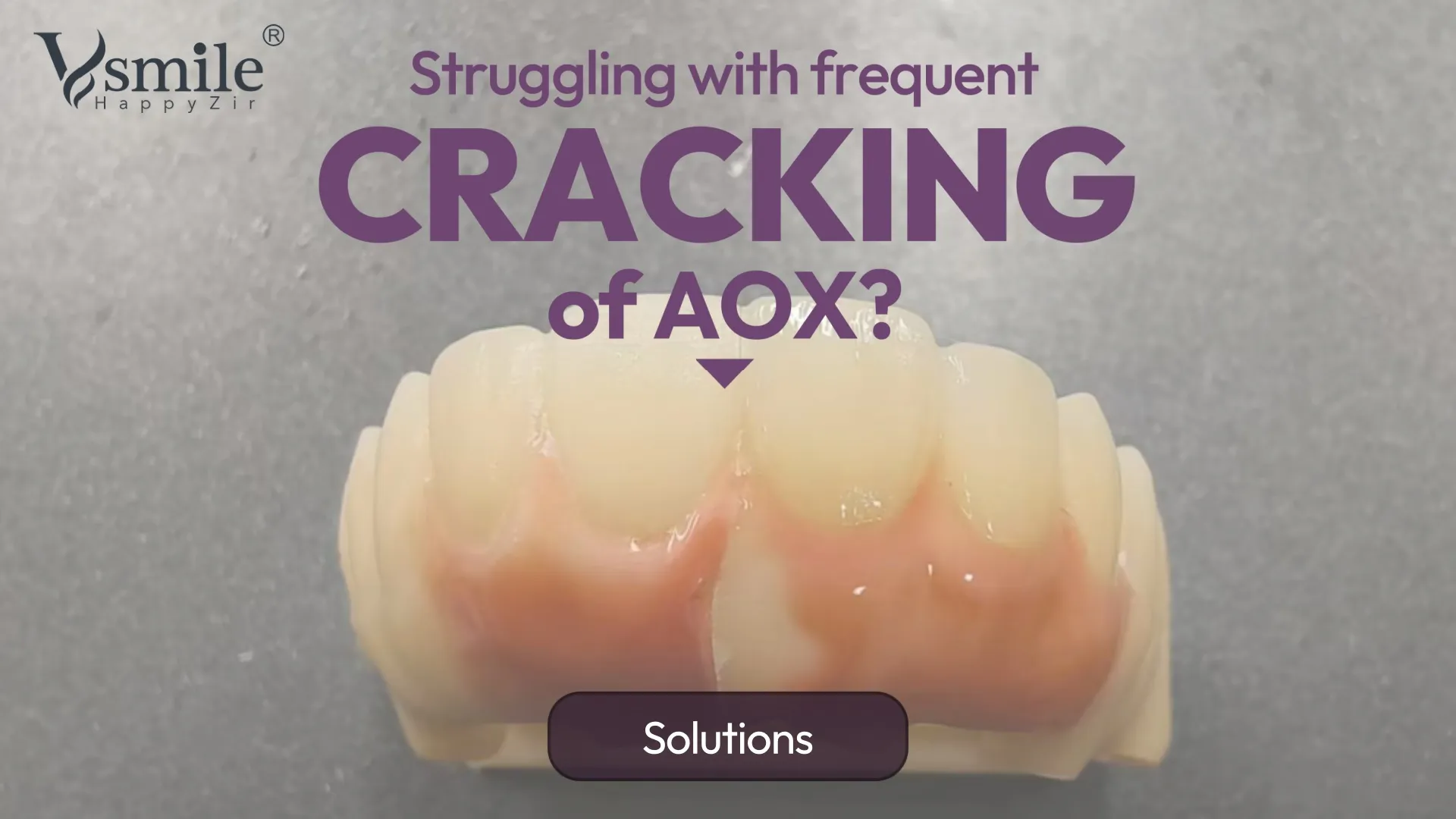
Fracture and microcracks are among the most critical failure modes in All-on-X (AOX) zirconia restorations.
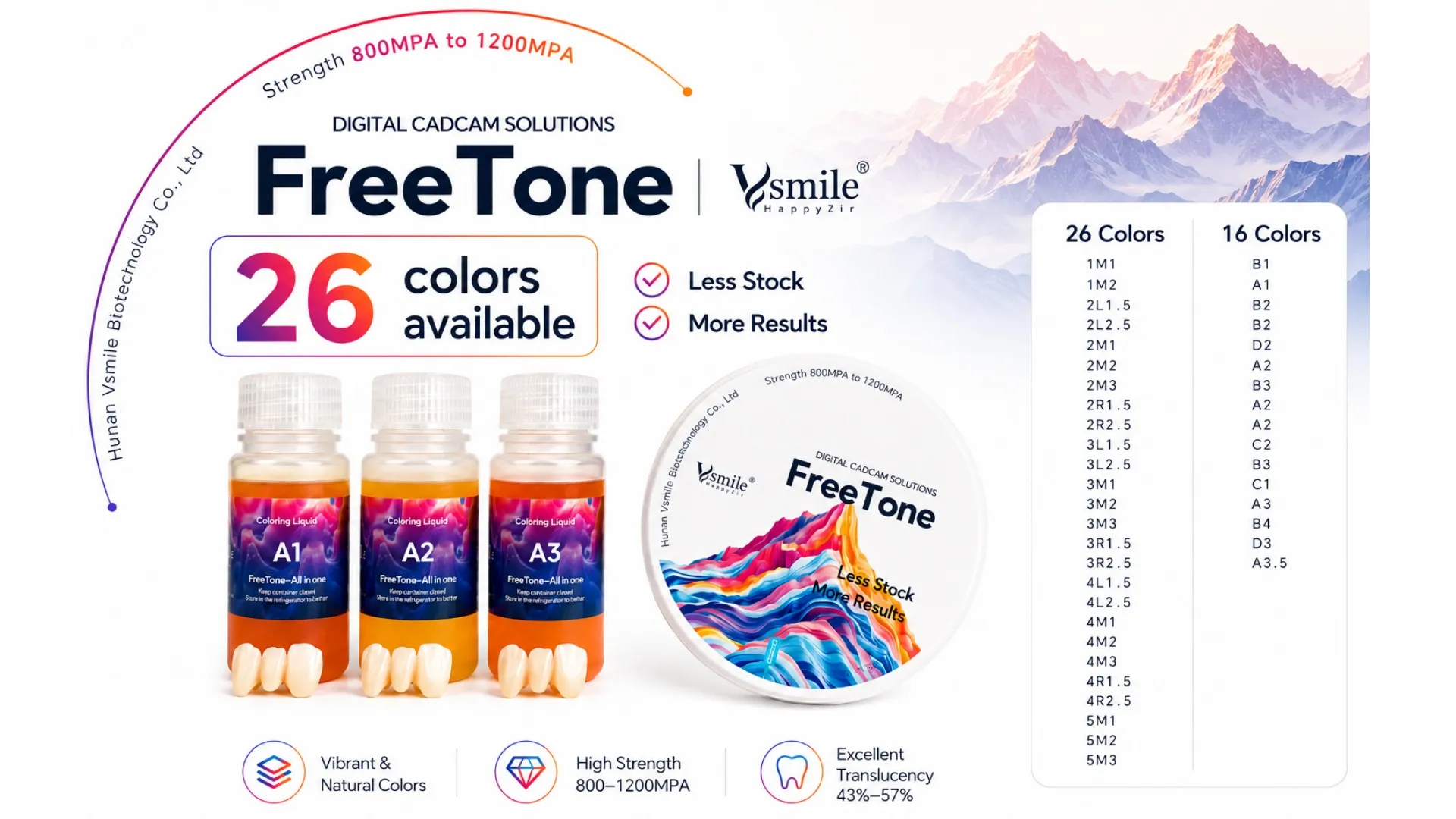
Whether you're crafting A1 or D4, FreeTone White Zirconia Disc gives you total shade control with just one SKU — streamlining inventory and increasing productivity.
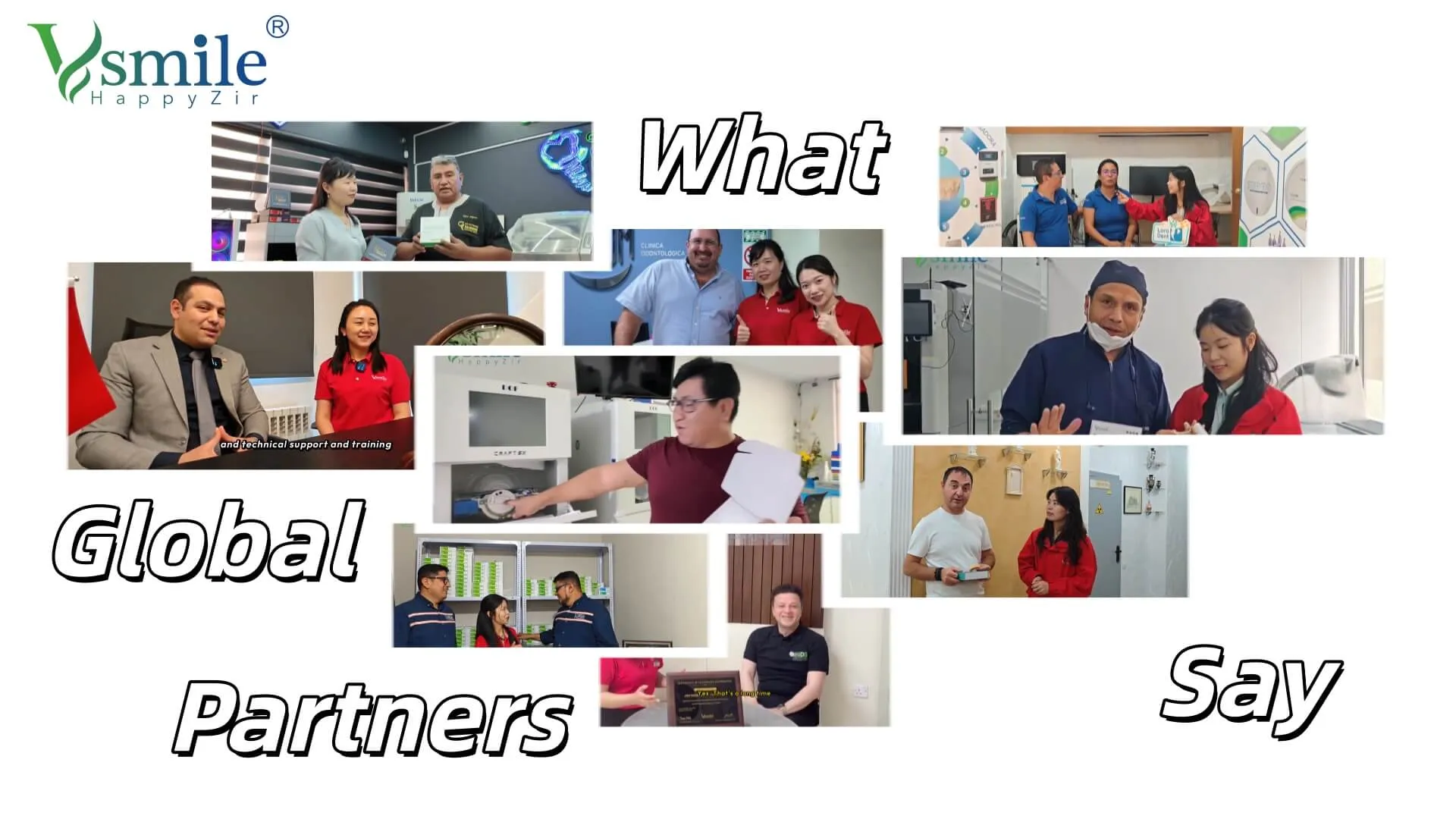
Voices from Vsmile Global Partners — Stories of Trust, Growth, and Smiles We Create Together.
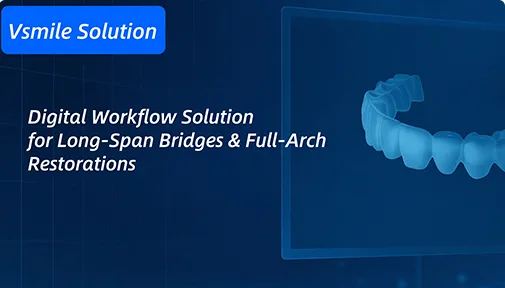
Long-span and full-arch restorations represent some of the most complex and failure-prone procedures in digital dentistry. Challenges include connector fractures, marginal misfits, sintering deformation, and low clinical longevity. Labs and clinics face a high rate of remakes, increased cost, and pressure to maintain quality under tight delivery deadlines.
2025.5.22

Vsmile offers a complete, validated digital workflow — from scanning to final zirconia bridge — that helps labs and clinics deliver life-changing smiles faster, with greater confidence and repeatable quality.


Tel: +86-731-85682958
Fax: +86-731-85682958
WhatsApp: +8615084896166/+8618569525651
Email: [email protected]
Address:
Room 1202-1203, Building A4,Huanchuang Corporate Park,No.2450, Yuelu West Avenue, Changsha Hi-tech Development District, Changsha, China.


























 EN
 fr
 ru
 nl
 uk
 fil
 lo
 ko
 it
 es
 el
 pt
 de
 th
 be
 sq
 tr
 ar
 vi
 pl