Trusted by 6000+ Labs · ISO13485 Certified · Fast Delivery from 3 Factories


Zirconia blocks are essential materials in modern dentistry, particularly for creating durable and aesthetically pleasing dental restorations. This article aims to provide dental professionals with a comprehensive understanding of the various types of zirconia blocks available, their properties, and their applications in clinical settings. As the demand for high-quality dental restorations increases, understanding the nuances of zirconia block types becomes crucial for achieving optimal patient outcomes. We will explore the main types of zirconia blocks, the material properties that affect their performance, their compatibility with CAD CAM workflows, and the clinical applications suited for each type. By the end of this guide, dental professionals will be equipped with the knowledge to make informed decisions regarding zirconia block selection for their practices.
This comprehensive overview of zirconia's properties and applications aligns with the growing recognition of its importance in modern restorative dentistry.
Zirconia blocks are categorized based on their translucency and strength, which significantly influence their suitability for various dental applications. The primary types include monolithic zirconia blocks and translucent zirconia blocks. Monolithic zirconia blocks are known for their exceptional strength, making them ideal for posterior restorations, while translucent zirconia blocks offer enhanced aesthetics, suitable for anterior restorations. Understanding these distinctions is vital for dental professionals when selecting the appropriate zirconia block for specific cases.
Translucency levels in zirconia blocks are crucial for determining their aesthetic outcomes in dental restorations. Zirconia blocks can be classified into three translucency categories: high, medium, and low. High-translucency zirconia blocks are designed for anterior restorations, providing a natural appearance that mimics the translucency of natural teeth. Medium-translucency blocks strike a balance between strength and aesthetics, making them versatile for both anterior and posterior applications. Low-translucency blocks, while offering superior strength, are typically used in posterior restorations where aesthetics are less critical.
Strength variations among zirconia blocks are primarily influenced by their composition and manufacturing processes. Zirconia blocks are rated based on their flexural strength, with typical values ranging from 800 MPa to over 1,200 MPa. Monolithic zirconia blocks generally exhibit higher strength ratings, making them suitable for load-bearing applications such as crowns and bridges. In contrast, translucent zirconia blocks, while slightly less strong, provide adequate strength for anterior restorations where aesthetics are prioritized. Understanding these strength variations helps dental professionals select the right material for each clinical scenario.
The performance of zirconia blocks in dental applications is influenced by several key material properties, including yttria stabilization and sintering temperature. These properties determine the overall quality and durability of the zirconia blocks used in restorations.
| Property | Description | Impact on Performance |
|---|---|---|
| Yttria Stabilization | Enhances the phase stability of zirconia | Increases strength and reduces brittleness |
| Sintering Temperature | The temperature at which zirconia is heated during manufacturing | Affects the density and strength of the final product |
| Grain Size | The size of zirconia particles | Smaller grains typically enhance strength and toughness |
Understanding these properties allows dental professionals to choose zirconia blocks that will perform optimally in their specific applications.
Yttria stabilization is a critical process in the manufacturing of zirconia blocks, as it enhances their phase stability and mechanical properties. By adding yttria, the zirconia undergoes a transformation that prevents it from transitioning to a less stable phase under stress. This stabilization results in improved strength and toughness, making yttria-stabilized zirconia blocks ideal for various dental applications, including crowns, bridges, and implants.
Further research emphasizes how the precise control of yttria content is crucial for optimizing the mechanical properties and clinical performance of zirconia restorations
Sintering temperature is another vital factor that influences the strength of zirconia blocks. Higher sintering temperatures typically lead to increased density and strength, as the particles bond more effectively during the heating process. However, excessively high temperatures can also lead to grain growth, which may compromise the material's toughness. Therefore, finding the optimal sintering temperature is essential for producing high-quality zirconia blocks that meet the demands of dental restorations.
Zirconia blocks are highly compatible with CAD CAM technology, which streamlines the workflow in dental laboratories. This compatibility allows for precise milling and customization of dental restorations, enhancing efficiency and accuracy in the production process.
When milling zirconia blocks, several considerations must be taken into account, including the type of block being used and the desired final restoration. Monolithic zirconia blocks require specific milling strategies to ensure optimal strength and fit, while translucent blocks may necessitate different approaches to preserve their aesthetic qualities. Understanding these milling considerations is crucial for dental technicians to achieve the best results.
CAD CAM technology significantly enhances the precision of zirconia block restorations by allowing for digital design and manufacturing processes. This technology enables dental professionals to create highly accurate models and restorations that fit seamlessly in patients' mouths. The integration of CAD CAM with zirconia blocks not only improves the quality of dental restorations but also reduces the time required for production, ultimately benefiting both practitioners and patients.
The impact of CAD/CAM technology on the precision of zirconia restorations is further supported by studies evaluating different processing routes and their influence on fitting accuracy.
Different types of zirconia blocks are suited for various clinical applications based on their properties and performance characteristics. Understanding these applications helps dental professionals make informed decisions when selecting materials for specific cases.
Monolithic zirconia blocks are ideal for creating crowns and bridges due to their exceptional strength and durability. These blocks can withstand significant occlusal forces, making them suitable for posterior restorations where strength is paramount. Additionally, advancements in shading and staining techniques allow for improved aesthetics, making monolithic zirconia a versatile choice for both functional and aesthetic restorations.
Translucency plays a crucial role in the aesthetic outcomes of dental restorations. High-translucency zirconia blocks are preferred for anterior restorations, as they closely mimic the natural appearance of teeth. The ability to achieve a lifelike translucency enhances patient satisfaction and contributes to the overall success of the restoration. Dental professionals must consider the translucency of zirconia blocks when planning aesthetic cases to ensure optimal results.
For more information on high-quality materials, visit Vsmile.
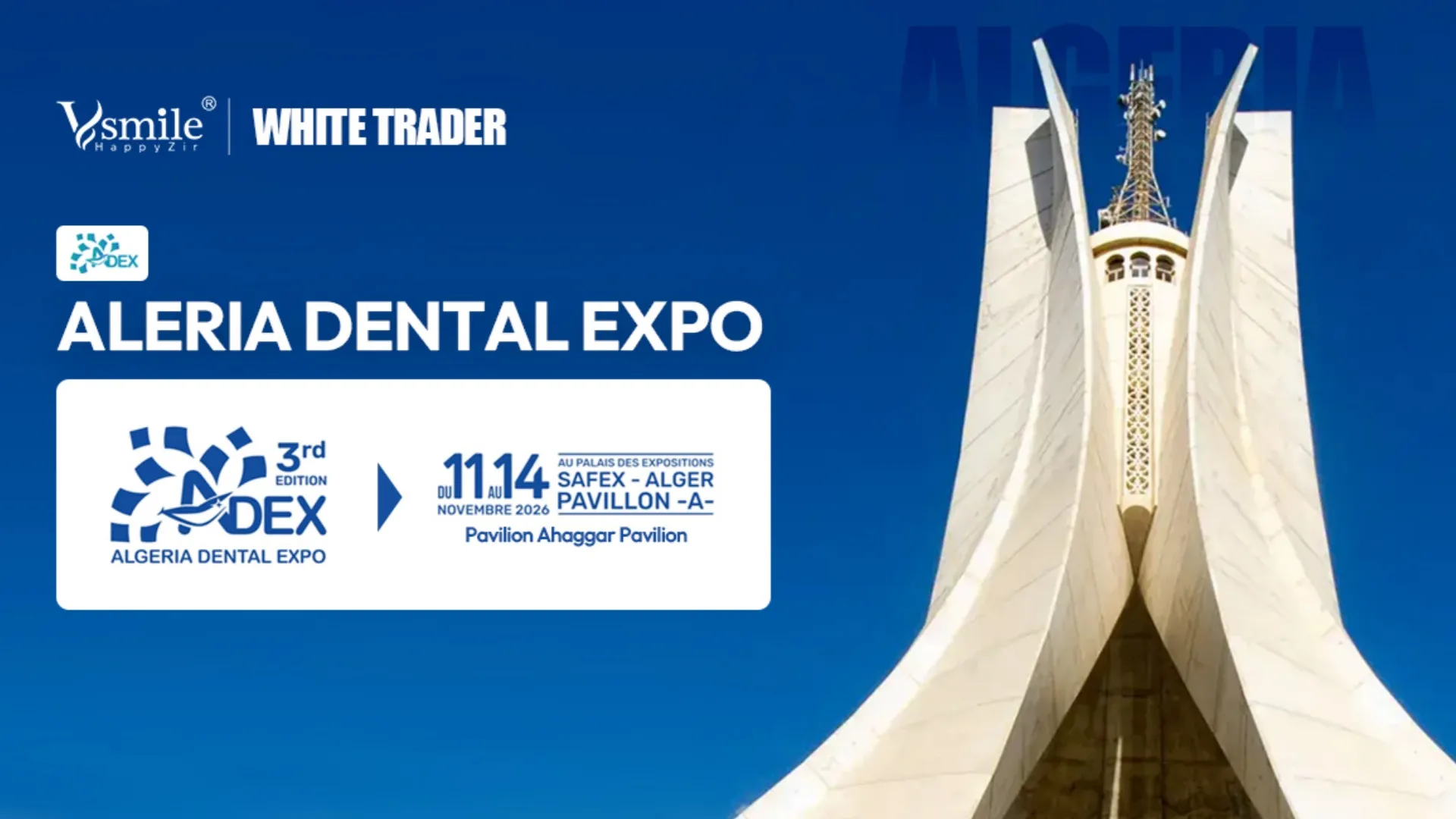
Vsmile is pleased to announce its participation in the 3rd Algerian Dental Expo (ADEX 2026), taking place from November 11 to 14, 2026, at the Palais des Expositions (SAFEX) in Algiers, Algeria.
At this year's exhibition, Vsmile will join its local distribution partner, WHITE TRADER, at Pavillon A. Together, the teams will connect with dental professionals and showcase dental materials, CAD/CAM solutions and practical applications for modern dental laboratory workflows.
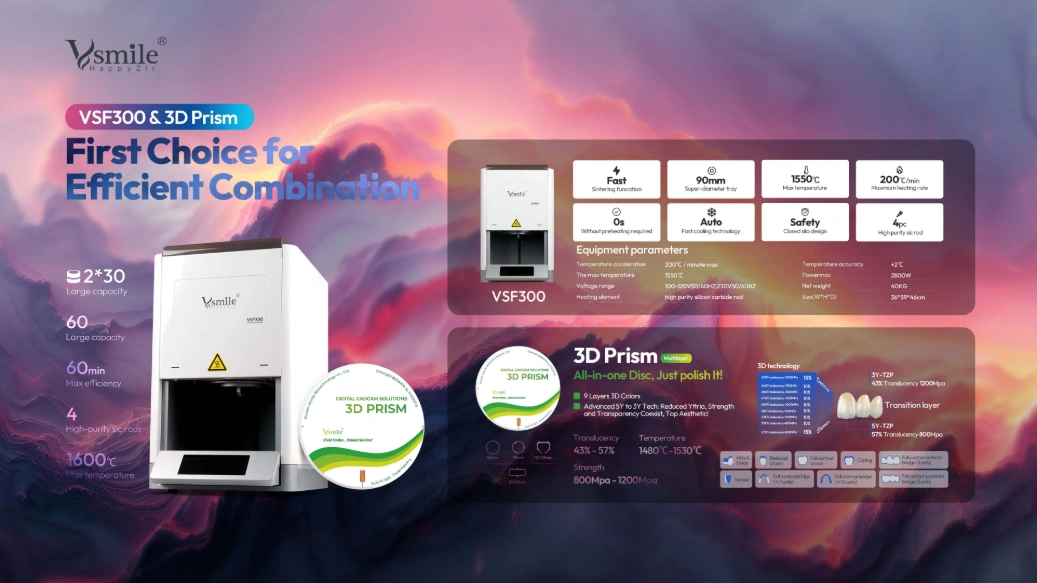
This bundle combines the powerful VSF300 fast sintering furnace with 4 pcs of 3D Prism multilayer zirconia blocks, delivering speed, capacity, and consistent esthetics in one package.
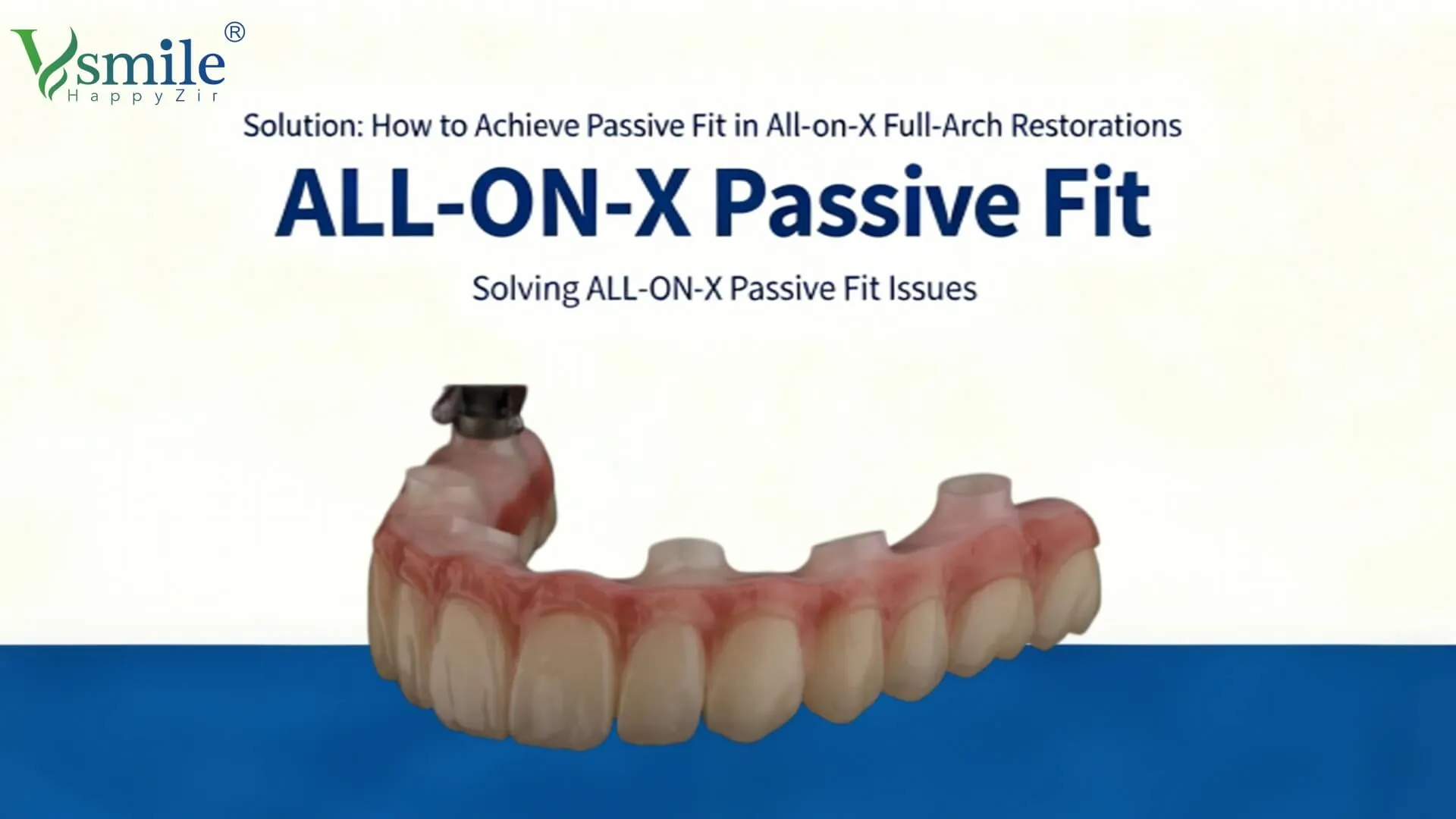
Passive fit failure is rarely caused by a single factor. Instead, it is the result of error stacking across the entire digital and manufacturing workflow.
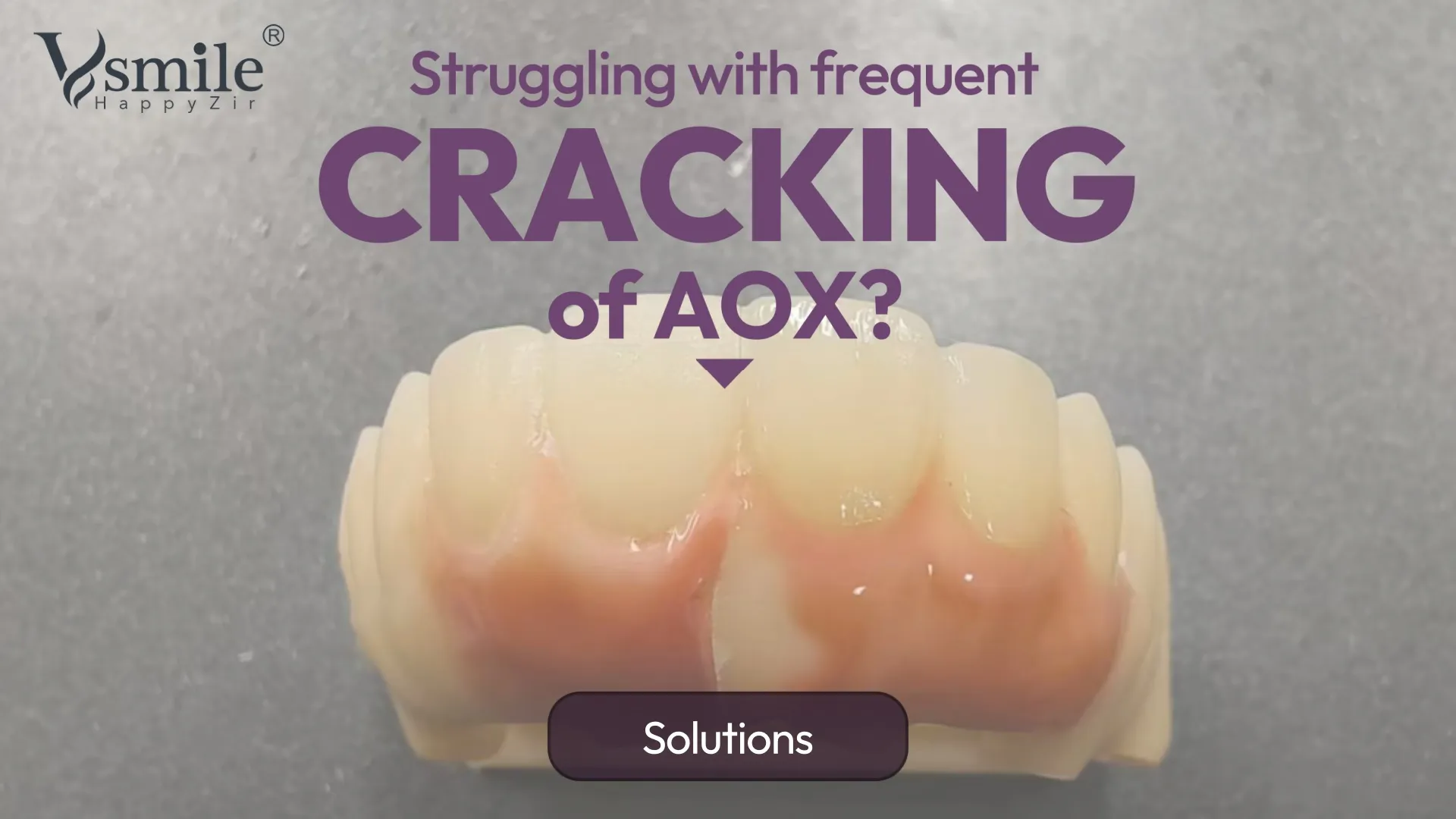
Fracture and microcracks are among the most critical failure modes in All-on-X (AOX) zirconia restorations.
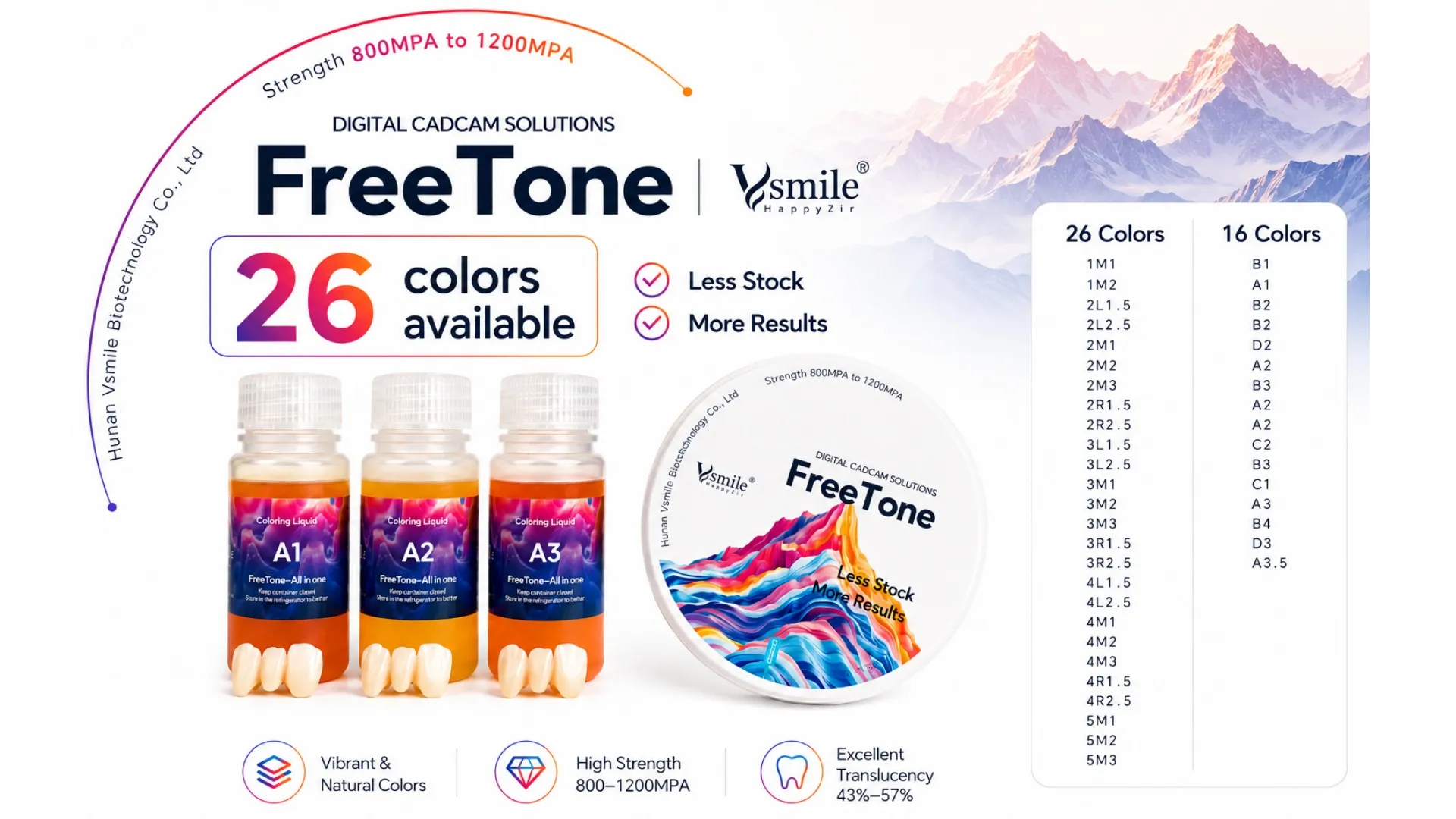
Whether you're crafting A1 or D4, FreeTone White Zirconia Disc gives you total shade control with just one SKU — streamlining inventory and increasing productivity.

Voices from Vsmile Global Partners — Stories of Trust, Growth, and Smiles We Create Together.
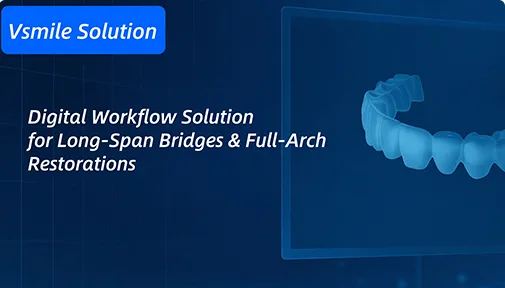
Long-span and full-arch restorations represent some of the most complex and failure-prone procedures in digital dentistry. Challenges include connector fractures, marginal misfits, sintering deformation, and low clinical longevity. Labs and clinics face a high rate of remakes, increased cost, and pressure to maintain quality under tight delivery deadlines.
2025.5.22

Vsmile offers a complete, validated digital workflow — from scanning to final zirconia bridge — that helps labs and clinics deliver life-changing smiles faster, with greater confidence and repeatable quality.


Tel: +86-731-85682958
Fax: +86-731-85682958
WhatsApp: +8615084896166/+8618569525651
Email: [email protected]
Address:
Room 1202-1203, Building A4,Huanchuang Corporate Park,No.2450, Yuelu West Avenue, Changsha Hi-tech Development District, Changsha, China.


























 EN
 fr
 ru
 nl
 uk
 fil
 lo
 ko
 it
 es
 el
 pt
 de
 th
 be
 sq
 tr
 ar
 vi
 pl