Trusted by 6000+ Labs · ISO13485 Certified · Fast Delivery from 3 Factories


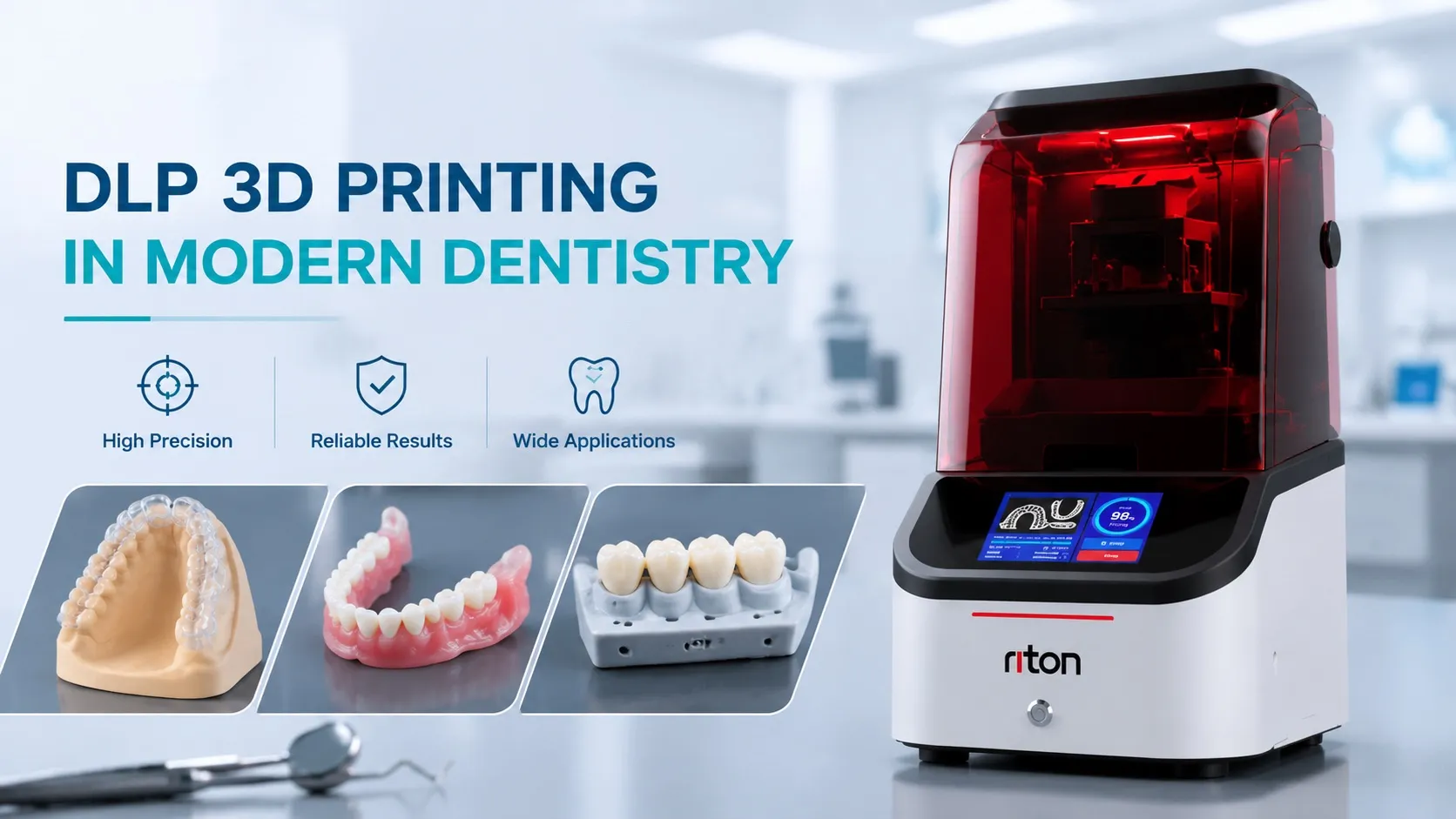
DLP 3D printing has become increasingly important in dentistry because many dental applications require detailed geometry, consistent accuracy, and predictable surface quality. A guide sleeve that is slightly off, a splint edge that feels rough, or a transparent part with poor surface quality can turn a fast digital workflow into a remake.
For dental labs and clinics, the best way to judge DLP printing is by application. Which jobs need tight light control? Which ones benefit from smooth surfaces? Which ones justify automation, monitoring, and validated resin settings? Those questions matter more than a broad claim that one printer can do everything.
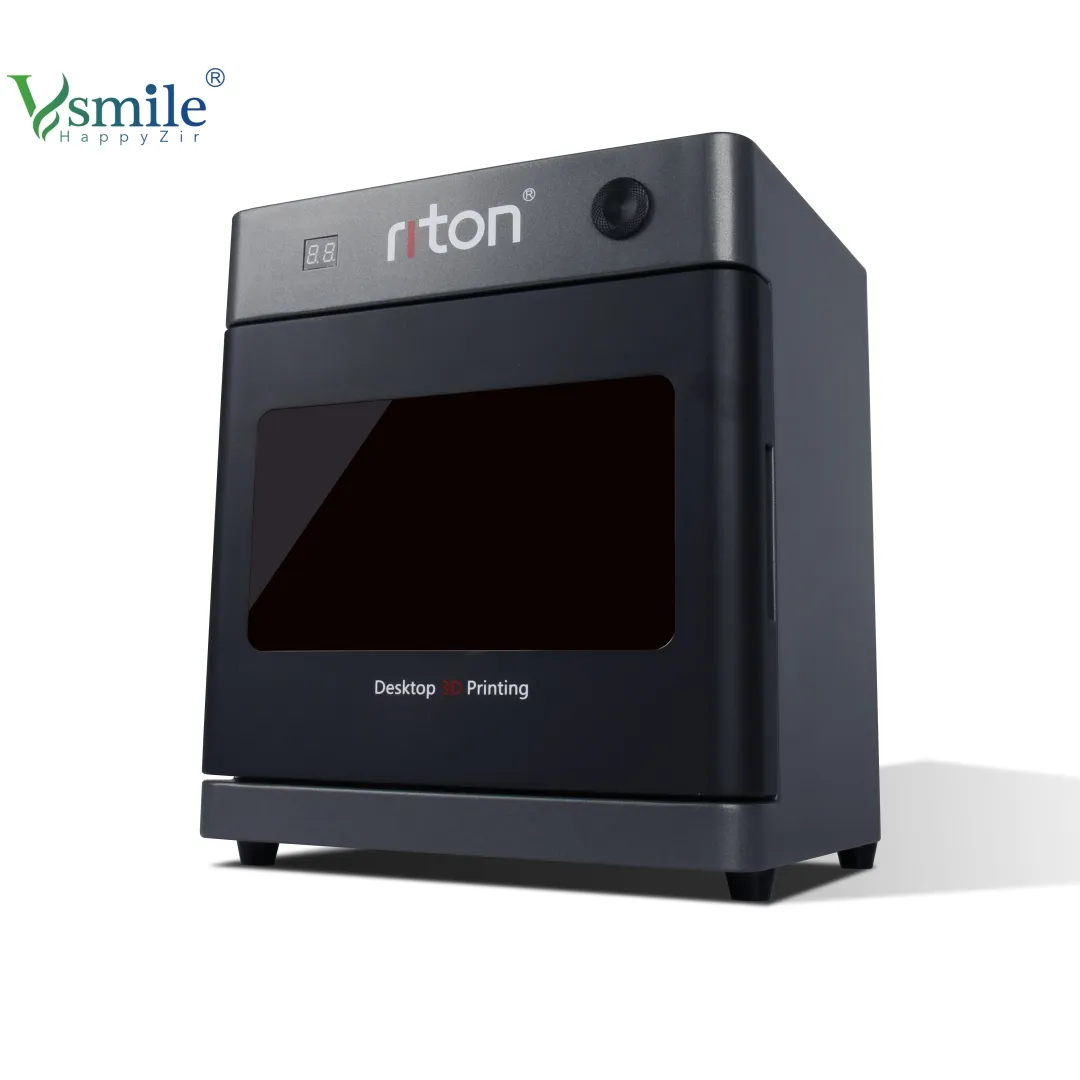
Digital light processing cures each layer with a projected image.In well-controlled systems, DLP can provide advantages in applications where edge definition, repeatability, and surface quality are important. A dedicated Dental DLP 3D Printer such as the Vsmile VRP D130 is built around that precision-first use case, with 385 nm DLP projection, automatic light calibration, smart monitoring, automatic resin feeding, and dual platform and dual vat handling.
The useful question is not whether a lab can print a part once. Most labs can. The harder question is whether the same operator can print the same kind of part again tomorrow, with a different resin, under the same acceptance standard. DLP helps most when that repeatability is worth protecting.
| Application | Why DLP helps | Buyer check |
|---|---|---|
| Implant surgical guides | Guide sleeves, drilling paths, and fit surfaces need stable dimensions and clean detail. | Ask about guide resin validation, light uniformity, post-curing, and sterilization requirements (when applicable) |
| Splints and night guards | Thin edges and occlusal surfaces punish poor surface quality. | Check splint resin settings, wear resistance, polishing steps, and fit consistency. |
| Transparent dental parts | Clarity makes defects easy to see, especially after finishing. | Review resin choice, curing wavelength, surface finishing, and support placement. |
| High-detail models | Implant, orthodontic, and restorative models need fine anatomy and stable margins. | Confirm scan quality, model resin, layer thickness, and platform repeatability. |
| Custom trays and try-in parts | Fit and rigidity must be predictable enough for clinical handling. | Match resin strength, print orientation, and post-processing to the use case. |
Surgical guides are one of the clearest DLP applications in modern dentistry. The part is small, dimensional accuracy and repeatability are critical, and the clinical consequence of distortion is obvious. A lab printing guides should care about more than speed. It should care about light uniformity, dimensional stability, sleeve fit, post-curing control, and resin documentation.
This is where the VRP D130 specification becomes buyer-relevant. A 385 nm DLP light source, 30 micron accuracy, more than 95% light uniformity, and automatic light calibration help the lab control the variables that can quietly ruin a guide. The printer still needs the right resin and post-processing workflow, but stable light output gives the process a better starting point.
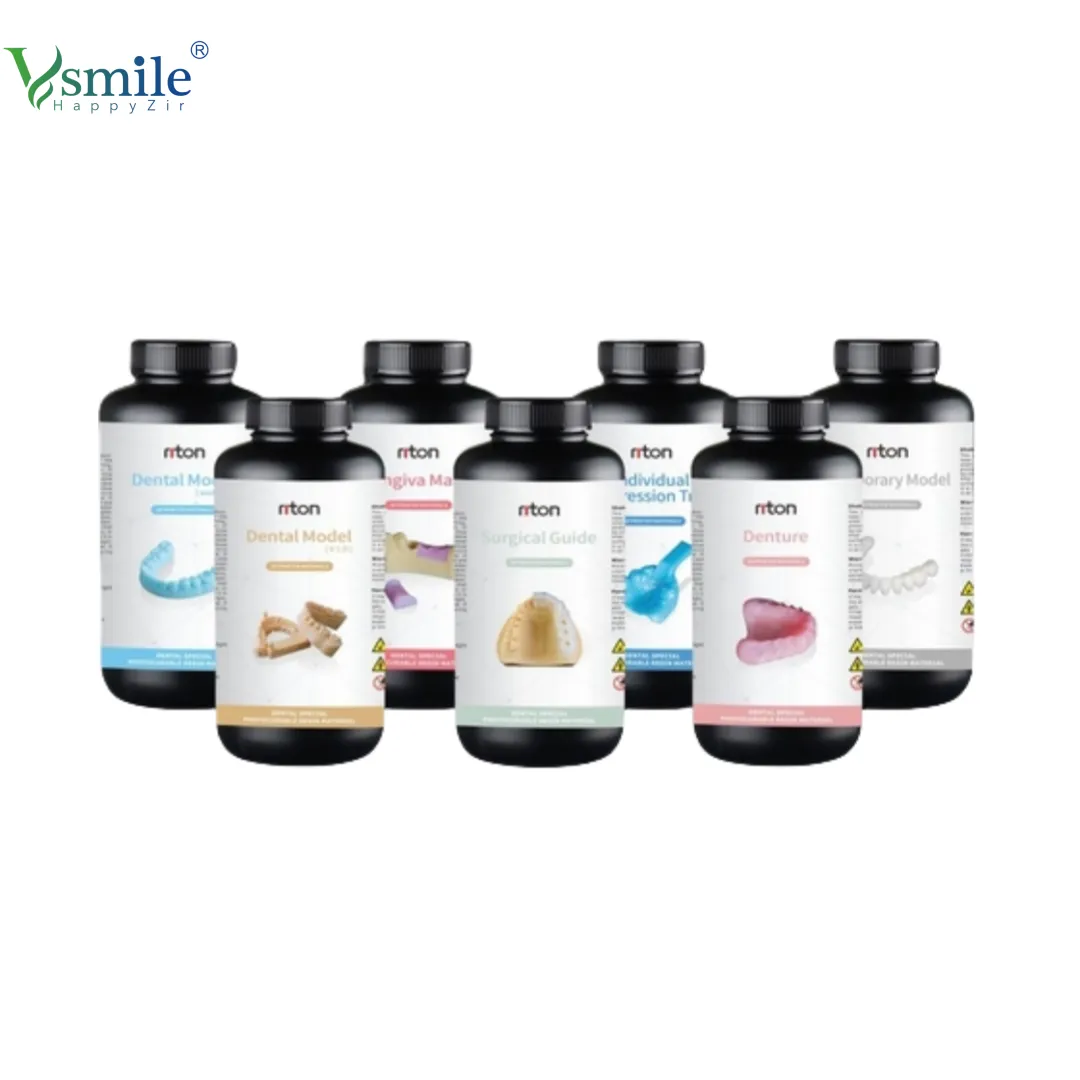
Splints look simple until patients start wearing them. Edges, occlusal contacts, surface smoothness, and long-session comfort all matter. DLP printing can be suitable here when fine surfaces, thin edges, and repeatable fitting are important.For this application, pair the printer decision with the resin decision. Vsmile groups splint, model, surgical guide, gingiva mask, denture, tray, and temporary restoration options under its Dental 3D Printing Resins, which gives procurement teams a cleaner way to discuss the printed appliance rather than the printer alone.
Transparent dental parts are honest. If the surface is poor, the part tells on you. Appearance depends on resin formulation, optical properties, curing process, and surface finishing.Labs should ask for sample parts before buying a printer for this work. Look at clarity, support marks, edge definition, and whether the part remains stable after post-curing. A glossy demo print is not enough. Test the application your lab will actually sell.
DLP is not only for surgical work. It can also support implant models, diagnostic models, orthodontic models, and restorative models when fine anatomy matters. The benefit is strongest when margins, implant analog areas, soft tissue simulation, or small surface details are part of the case.
The scanner still matters. If the incoming file is weak, the printer cannot rescue it. Labs building a full digital chain should check the capture side as well, including a desktop 3D scanner for dental model impressions when model or impression digitization is part of the workflow.
Custom trays, gingiva masks, and try-in parts sit in the practical middle of digital dentistry. They may not look as demanding as a surgical guide, but they still need fit, predictable handling, and a resin matched to the job.
This is where mixed resin capability matters. A lab comparing applications should review Dental 3D Printing Resin for LCD/DLP 3D Printer choices and ask which parameters are pre-installed, which materials require special handling, and how the team should separate vats or platforms when switching between jobs.
A good DLP setup should reduce the number of small interruptions that slow a clinic or lab. The VRP D130 uses smart monitoring for temperature, humidity, resin level, and pressure, plus automatic resin feeding. That combination is not there for decoration. It helps operators keep longer jobs moving and catches process drift before it becomes a failed build.
Dual platform and dual vat handling also helps when a lab moves between guide resin, splint resin, and model resin during the day. The benefit is not theoretical productivity. It is fewer awkward pauses while a technician cleans, swaps, checks, and restarts.
A DLP printer can produce a good part, but post-processing decides whether the part is ready for the case. Washing, drying, curing, and finishing should be written into the workflow instead of left to habit. For teams standardizing production, a dedicated UV curing box for dental 3D printing post-processing keeps the conversation tied to the finished appliance rather than only the printed build.
This is especially important for surgical guides, splints, and denture-related work. Inconsistent curing may affect dimensional stability, mechanical properties, and final performance, surface issues, or mechanical behavior that does not match the intended resin performance.
A useful inquiry should describe the actual workflow: case types, daily volume, resin applications, current scanner or CAD system, post-curing setup, staff experience, and the parts that are most often remade. The supplier can give better advice when the question is framed around production risk rather than a generic request for a printer quote.
For installation planning, include training and service in the buying decision. Vsmile provides training resources and after-sales support, which matter most in the first weeks when operators are learning resin behavior, cleaning routines, calibration checks, and acceptance standards.
Share the parts your lab prints most often, the resins you plan to use, and the remakes you want to reduce. A workflow-led inquiry is easier to qualify than a printer-only quote.
DLP is powerful, but the best technology depends on the workflow.
For example:
The right question is not “Which printer is better?” but “Which technology best fits the cases the lab produces every day?”
Surgical guides, splints, transparent parts, high-detail models, custom trays, gingiva masks, and try-in workflows are strong candidates when the lab needs fine detail and repeatable output.
Yes. Clinics may use DLP for fast chairside production or selected applications, while labs often use it for repeatable case production. The right setup depends on staffing, resin handling, and post-processing control.
Light calibration helps keep intensity and uniformity stable. That matters because uneven curing can affect fit, surface quality, and repeatability, especially in guides, splints, and transparent parts.
Test the parts your team will produce most often. Review sample guides, splints, models, or trays with the intended resin, post-curing process, and fit check instead of relying only on a printed demo object.
DLP 3D printing is at its best when the part is detailed, the tolerance is tight, and the lab cannot afford casual variability. That is why surgical guides, splints, transparent parts, detailed models, and small-batch appliance workflows are the applications worth studying first.

Vsmile is pleased to announce its participation in the 3rd Algerian Dental Expo (ADEX 2026), taking place from November 11 to 14, 2026, at the Palais des Expositions (SAFEX) in Algiers, Algeria.
At this year's exhibition, Vsmile will join its local distribution partner, WHITE TRADER, at Pavillon A. Together, the teams will connect with dental professionals and showcase dental materials, CAD/CAM solutions and practical applications for modern dental laboratory workflows.
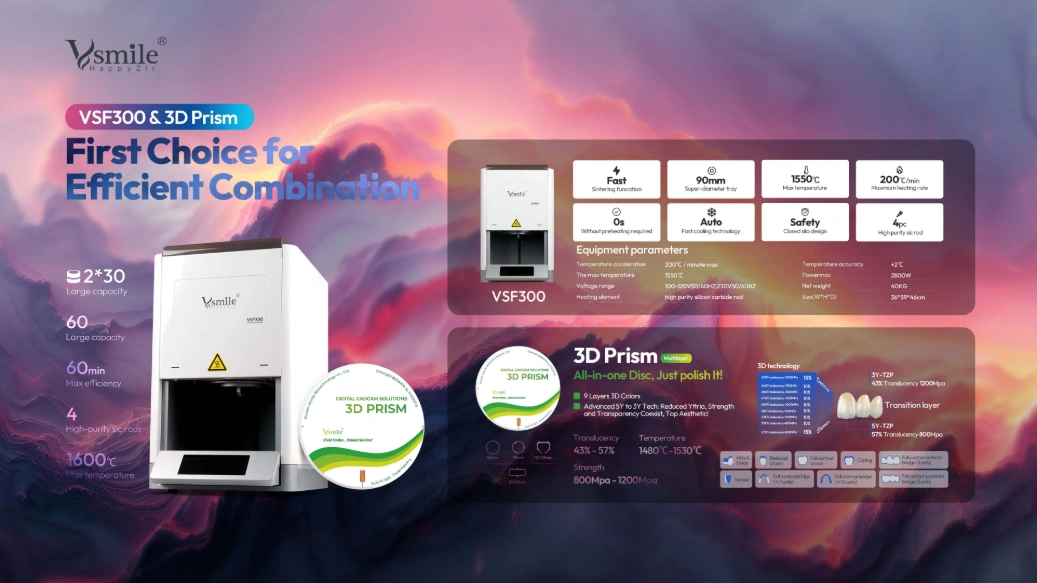
This bundle combines the powerful VSF300 fast sintering furnace with 4 pcs of 3D Prism multilayer zirconia blocks, delivering speed, capacity, and consistent esthetics in one package.
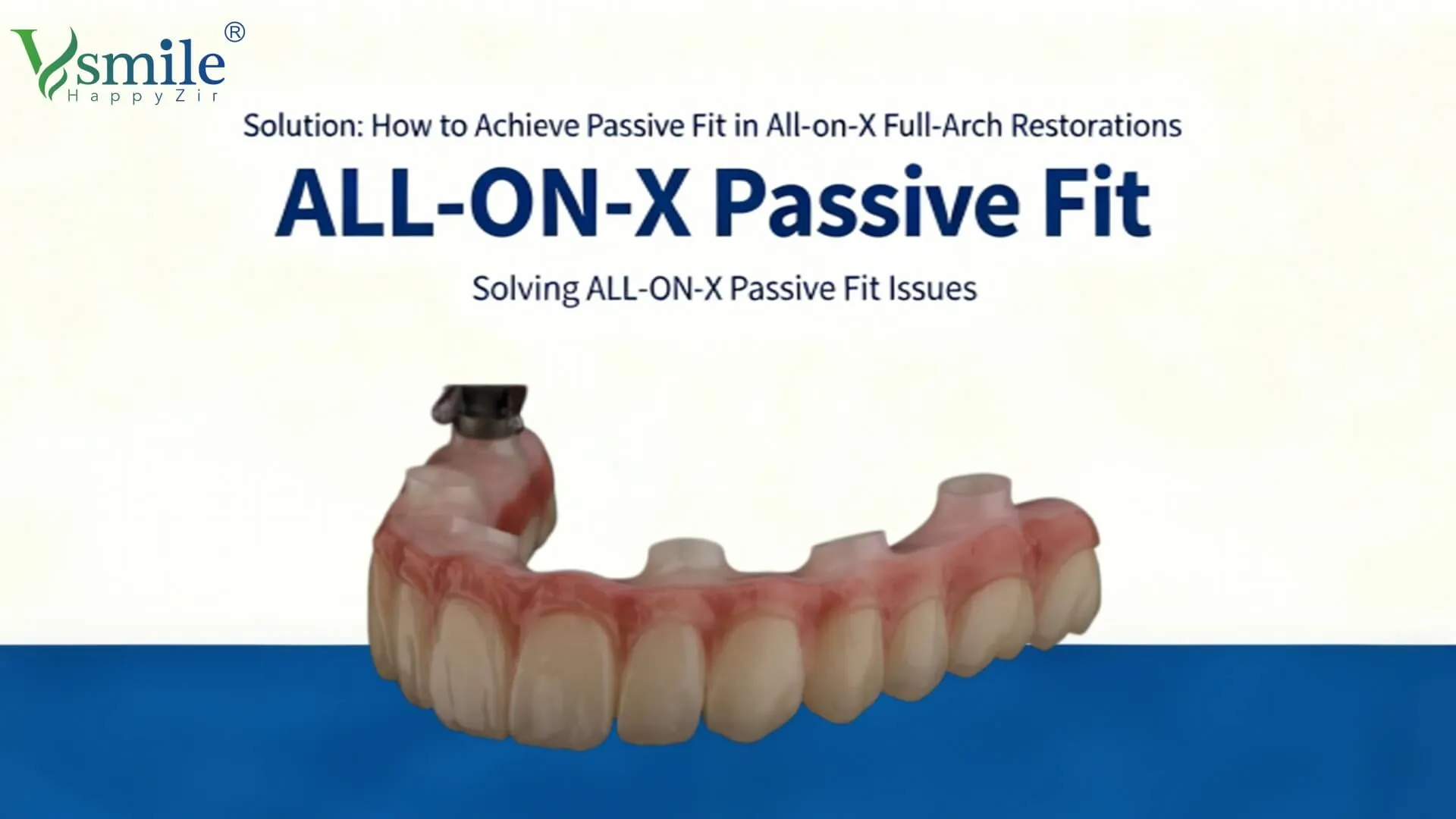
Passive fit failure is rarely caused by a single factor. Instead, it is the result of error stacking across the entire digital and manufacturing workflow.
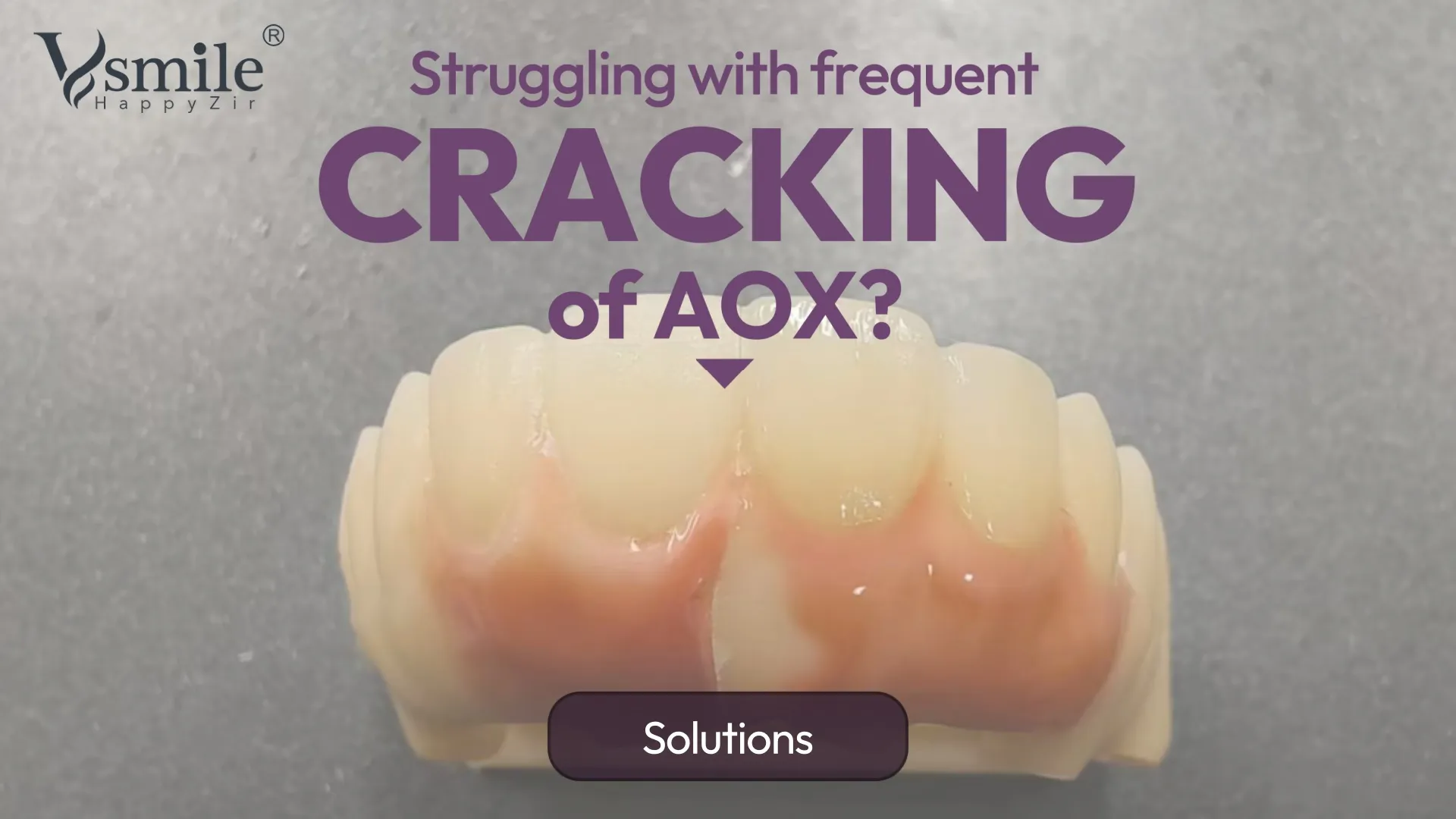
Fracture and microcracks are among the most critical failure modes in All-on-X (AOX) zirconia restorations.
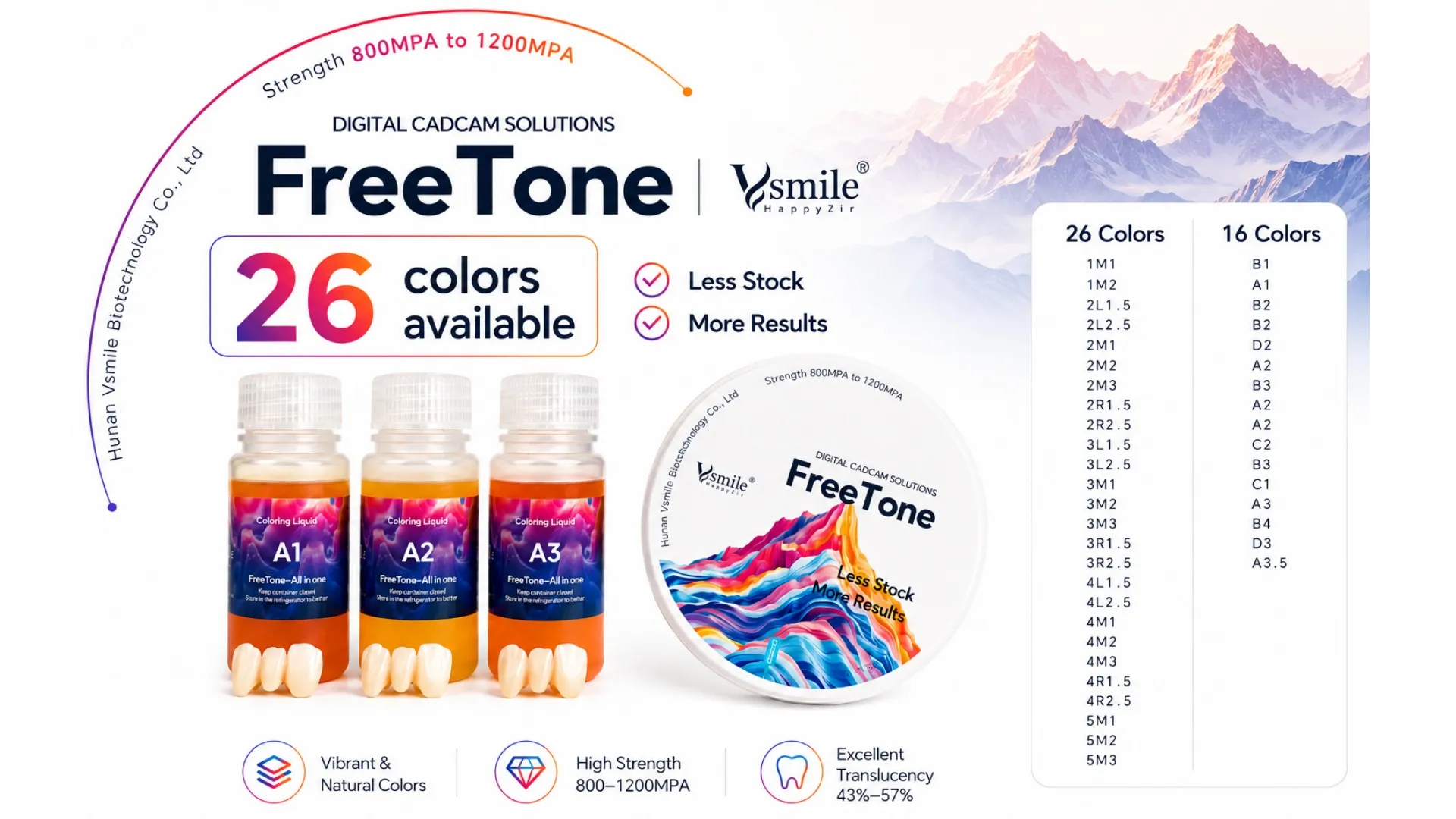
Whether you're crafting A1 or D4, FreeTone White Zirconia Disc gives you total shade control with just one SKU — streamlining inventory and increasing productivity.
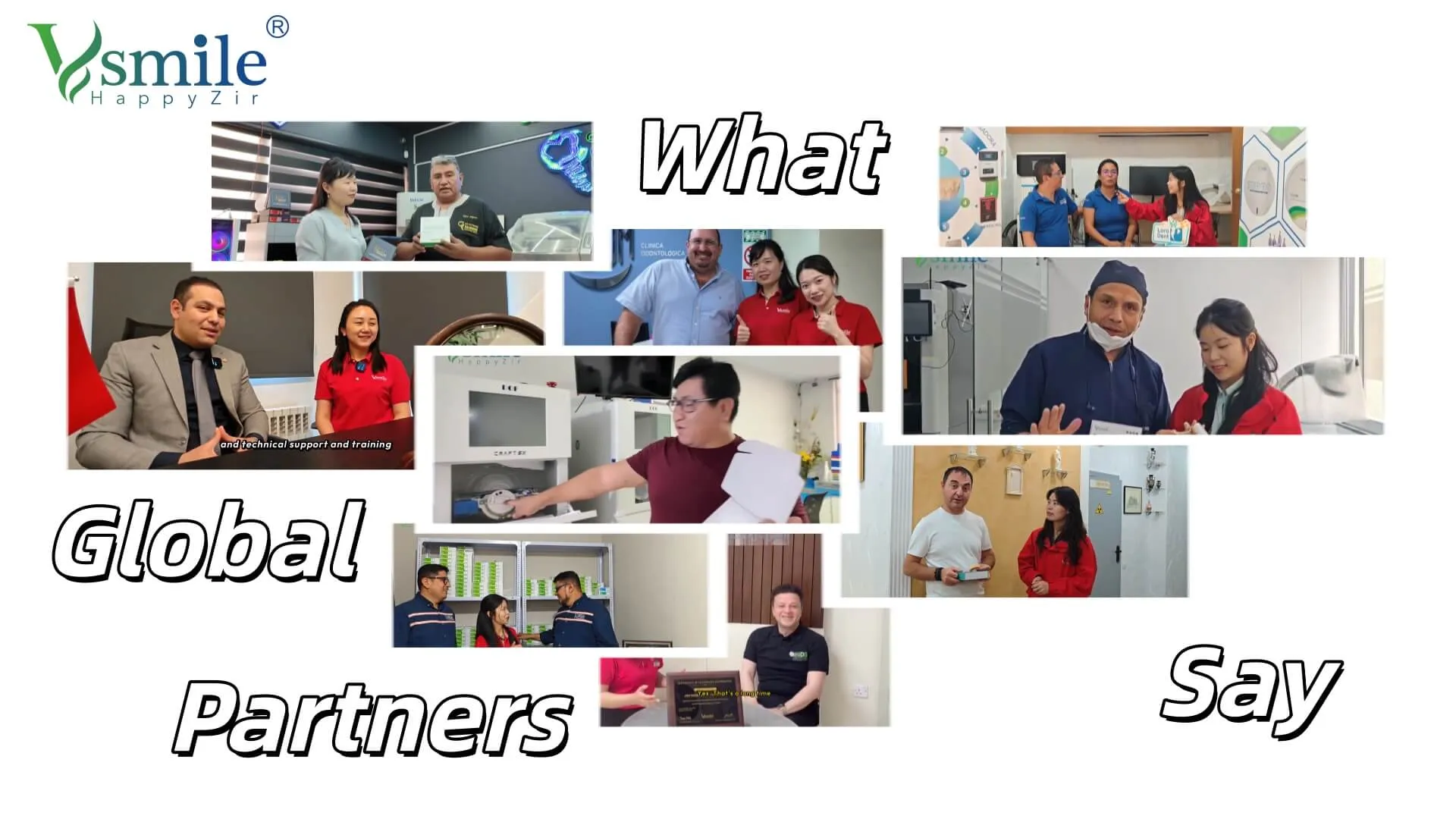
Voices from Vsmile Global Partners — Stories of Trust, Growth, and Smiles We Create Together.
Long-span and full-arch restorations represent some of the most complex and failure-prone procedures in digital dentistry. Challenges include connector fractures, marginal misfits, sintering deformation, and low clinical longevity. Labs and clinics face a high rate of remakes, increased cost, and pressure to maintain quality under tight delivery deadlines.
2025.5.22

Vsmile offers a complete, validated digital workflow — from scanning to final zirconia bridge — that helps labs and clinics deliver life-changing smiles faster, with greater confidence and repeatable quality.


Tel: +86-731-85682958
Fax: +86-731-85682958
WhatsApp: +8615084896166/+8618569525651
Email: [email protected]
Address:
Room 1202-1203, Building A4,Huanchuang Corporate Park,No.2450, Yuelu West Avenue, Changsha Hi-tech Development District, Changsha, China.


























 EN
 fr
 ru
 nl
 uk
 fil
 lo
 ko
 it
 es
 el
 pt
 de
 th
 be
 sq
 tr
 ar
 vi
 pl