Trusted by 6000+ Labs · ISO13485 Certified · Fast Delivery from 3 Factories


One of the most important clinical decisions in All-on-X treatment is determining the appropriate materials for each phase of the restoration—from the immediate provisional to the definitive prosthesis. This decision impacts patient comfort, laboratory workflow, treatment timeline, and long-term clinical outcomes.
This guide provides a comprehensive comparison of temporary and permanent materials used in All-on-X restorations, helping dental professionals make evidence-based choices for their patients.
Vsmile's All-on-X solution provides comprehensive material recommendations and workflow support for laboratories at every stage.
All-on-X treatment typically involves distinct phases, each with different material requirements:
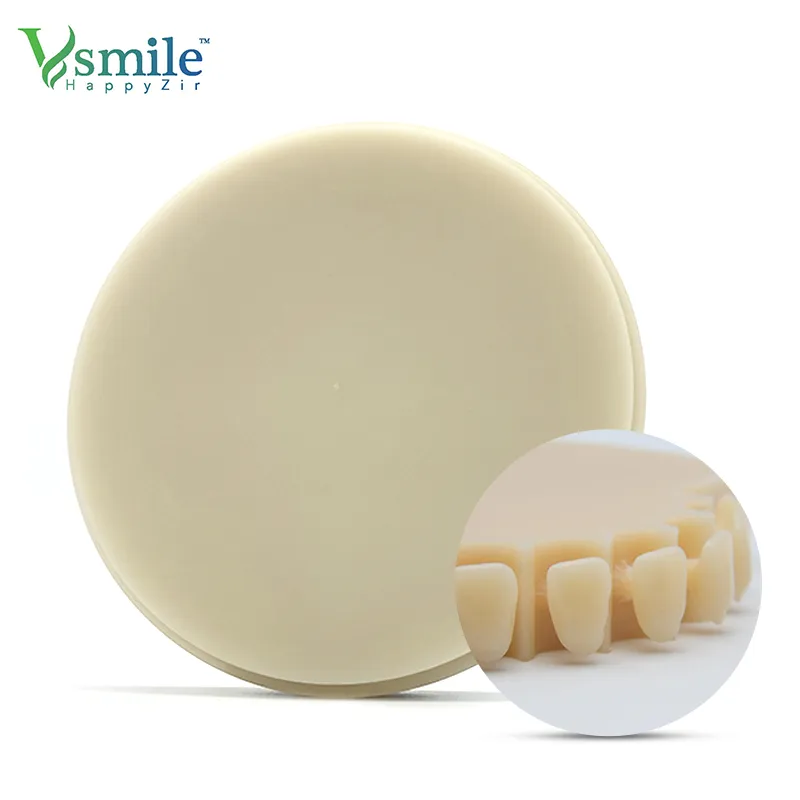
Overview: Traditional acrylic resin remains the most common material for provisional All-on-X restorations.
Properties:
Recommended products:
Clinical Applications:
Advantages:
Disadvantages:
Overview: Polymer matrix reinforced with glass or carbon fibers for improved strength.
Clinical Applications:
Recommended product:
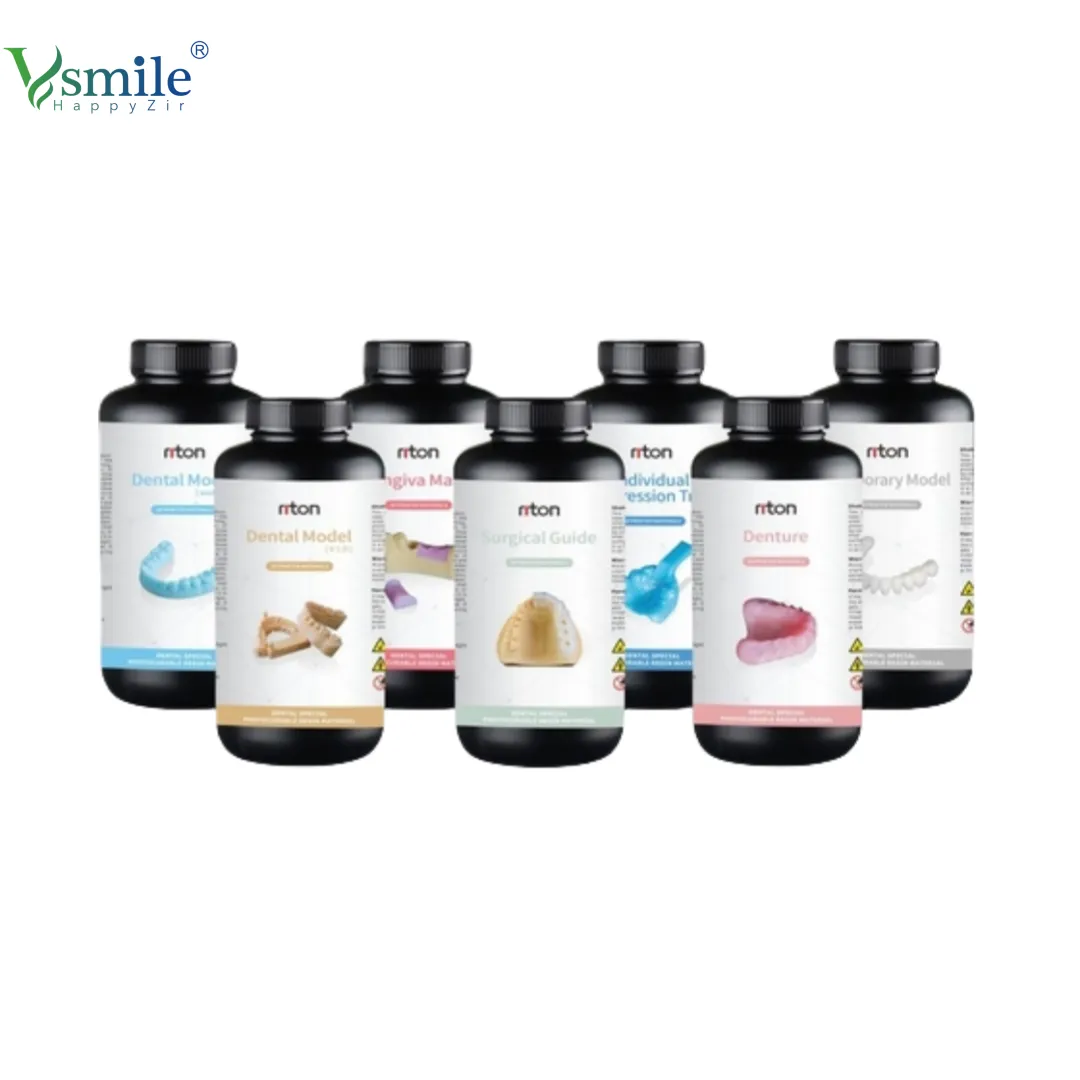
Overview: Photopolymer resins processed via digital light projection (DLP) or stereolithography (SLA) offer new possibilities for provisional fabrication.
Properties:
Recommended product:
Clinical Applications:
Overview: Yttria-stabilized tetragonal zirconia polycrystal (Y-TZP) is the gold standard for definitive All-on-X frameworks.
Properties:
Recommended products:
Clinical Recommendation: For most definitive All-on-X restorations, 4Y-TZP zirconia frameworks provide the optimal balance of strength, aesthetics, and clinical predictability. Explore Vsmile's complete zirconia range.
Overview: Titanium and titanium alloys remain a reliable choice for All-on-X frameworks.
Recommended product:
Properties:
Overview: Metal framework with acrylic or composite veneer remains a traditional option.
Recommended products:
Recommended product:
Benefits:
Recommended product:
For hybrid cases involving single-unit restorations:
Material selection for All-on-X restorations should be based on clinical evidence, patient factors, and practical considerations:
Vsmile provides comprehensive material solutions for every phase of All-on-X treatment, from provisional materials to definitive zirconia. Our solution packages help laboratories select the right materials for every case.
Contact our technical team for personalized material recommendations.
Temporary All-on-X restorations can function safely for 2-5 years with proper care, though 6-12 months is the typical provisional period. Extended use requires enhanced monitoring and maintenance. High quality PMMA materials support longer provisional periods.
While not standard practice due to cost and processing time, monolithic zirconia can be used for extended provisionals when indicated. However, PMMA or 3D-printed resins remain the preferred choice for cost-effectiveness and adjustability. Explore provisional materials.
Monolithic zirconia is a solid, single-material restoration typically used with digital staining for aesthetics. Layered zirconia involves a zirconia framework with ceramic veneering for enhanced translucency. Monolithic is stronger; layered offers superior aesthetics. Multilayer zirconia offers a balance of both.
Consider aesthetics (zirconia is metal-free), strength requirements (both excellent), patient preference (metal-free vs. cost), and laboratory expertise. Many cases can successfully use either material. Vsmile's zirconia range and titanium options both deliver reliable results.
Fracture typically results from excessive occlusal forces, inadequate material thickness, impact trauma, or prolonged service time. Reinforced materials and proper design minimize this risk. Consider Flexible PMMA for higher-stress applications.
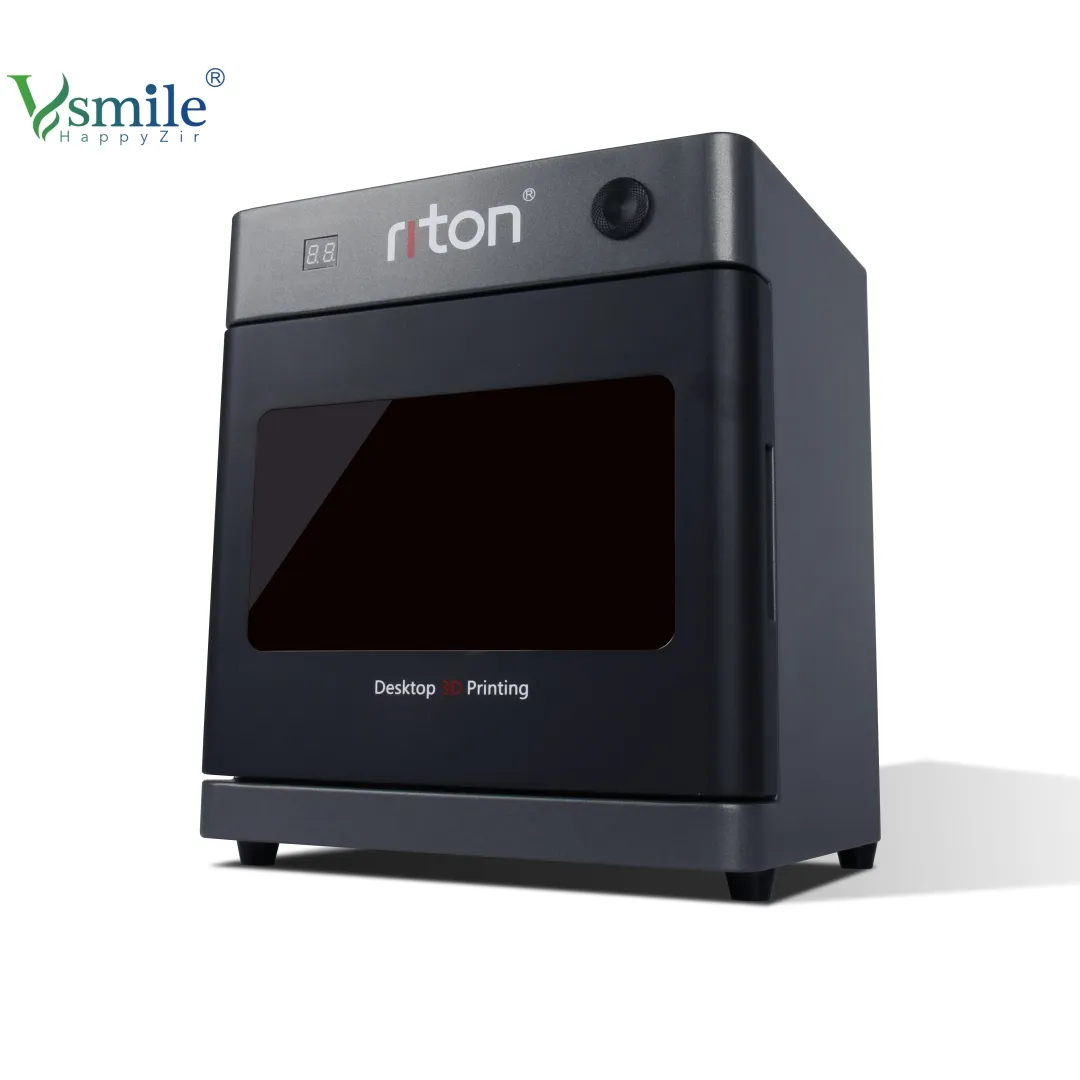
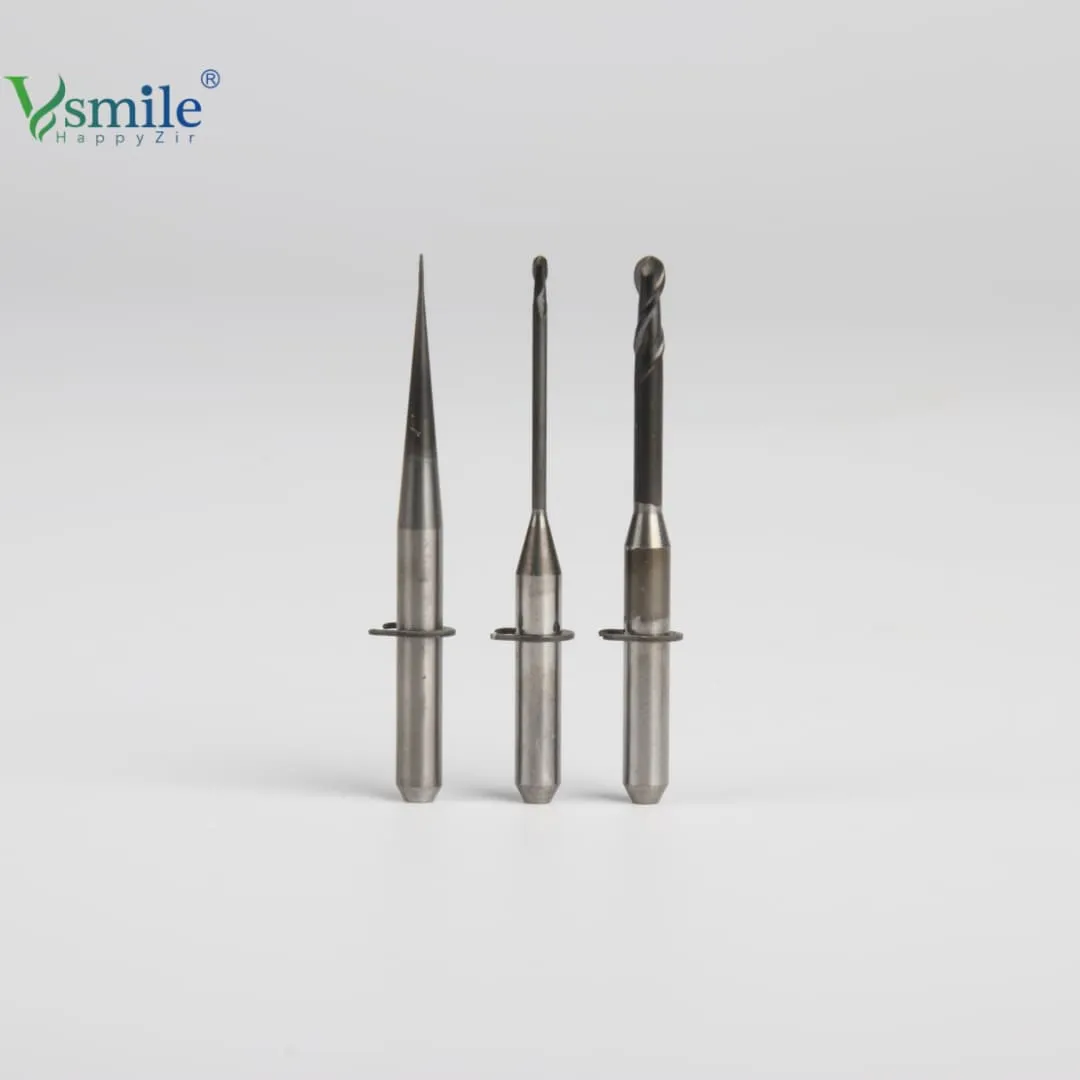
Vsmile Global provides materials and equipment for both provisional and definitive All-on-X restorations:
Contact us to discuss your All-on-X material requirements.
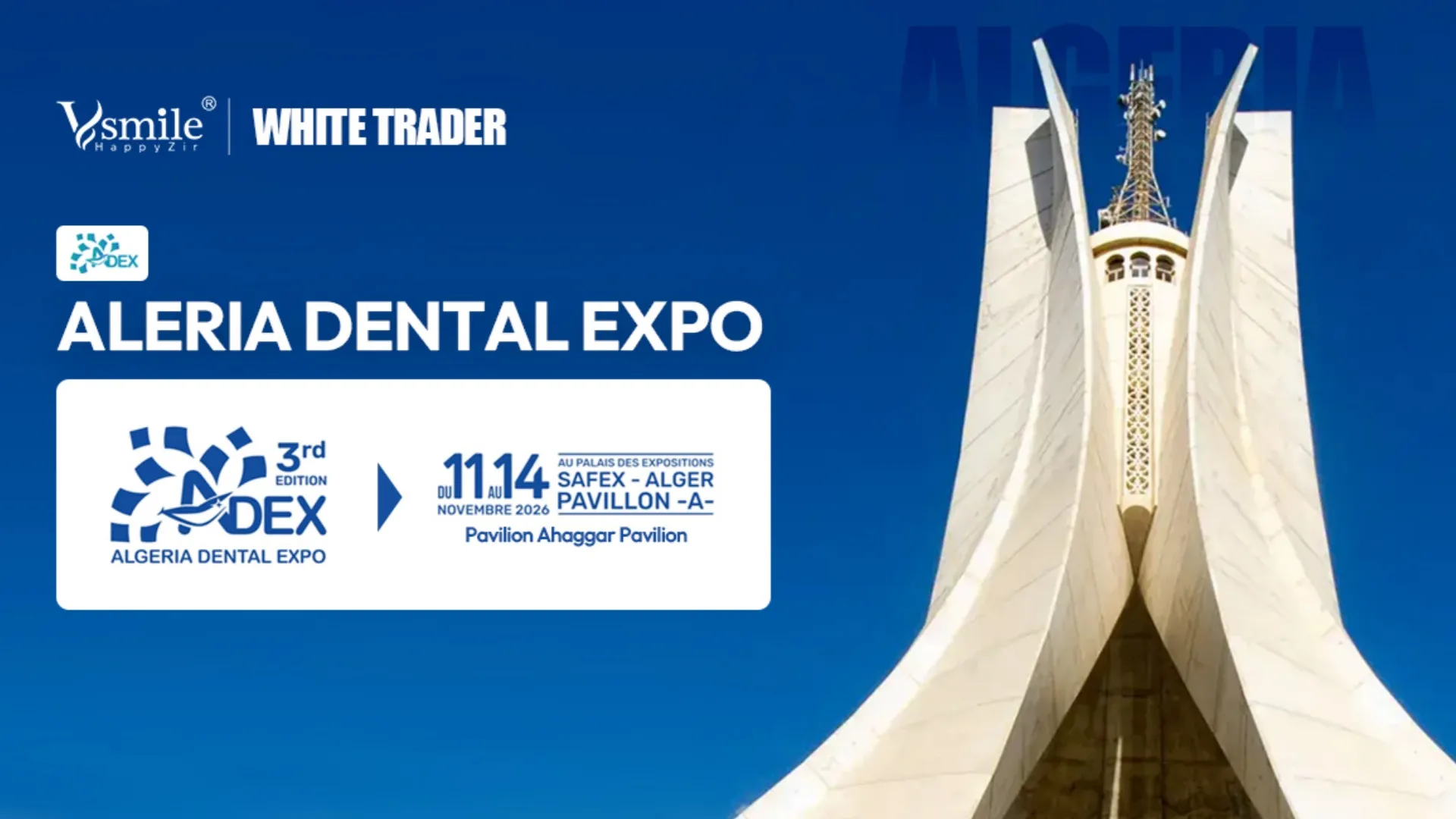
Vsmile is pleased to announce its participation in the 3rd Algerian Dental Expo (ADEX 2026), taking place from November 11 to 14, 2026, at the Palais des Expositions (SAFEX) in Algiers, Algeria.
At this year's exhibition, Vsmile will join its local distribution partner, WHITE TRADER, at Pavillon A. Together, the teams will connect with dental professionals and showcase dental materials, CAD/CAM solutions and practical applications for modern dental laboratory workflows.
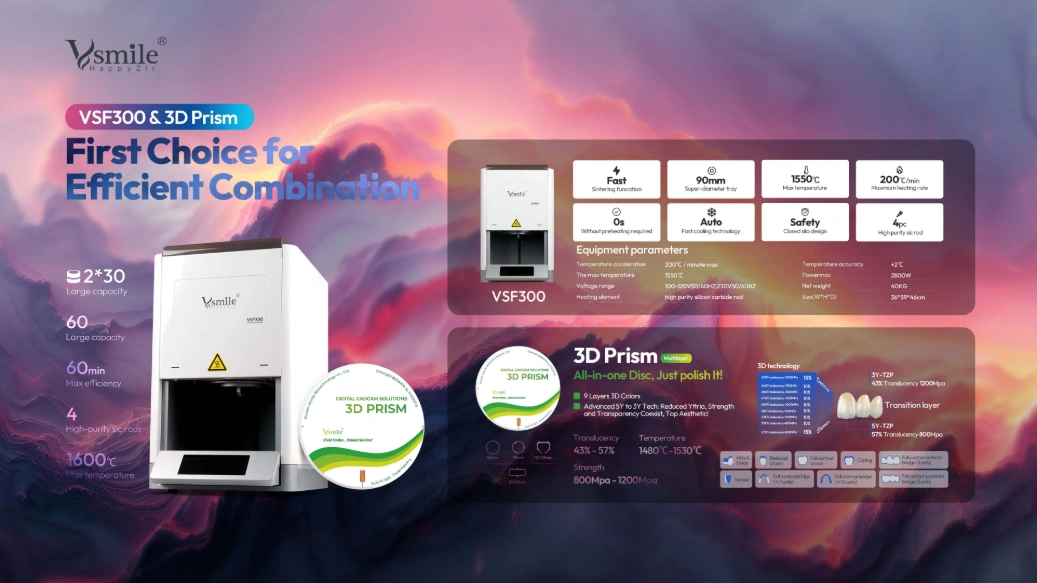
This bundle combines the powerful VSF300 fast sintering furnace with 4 pcs of 3D Prism multilayer zirconia blocks, delivering speed, capacity, and consistent esthetics in one package.
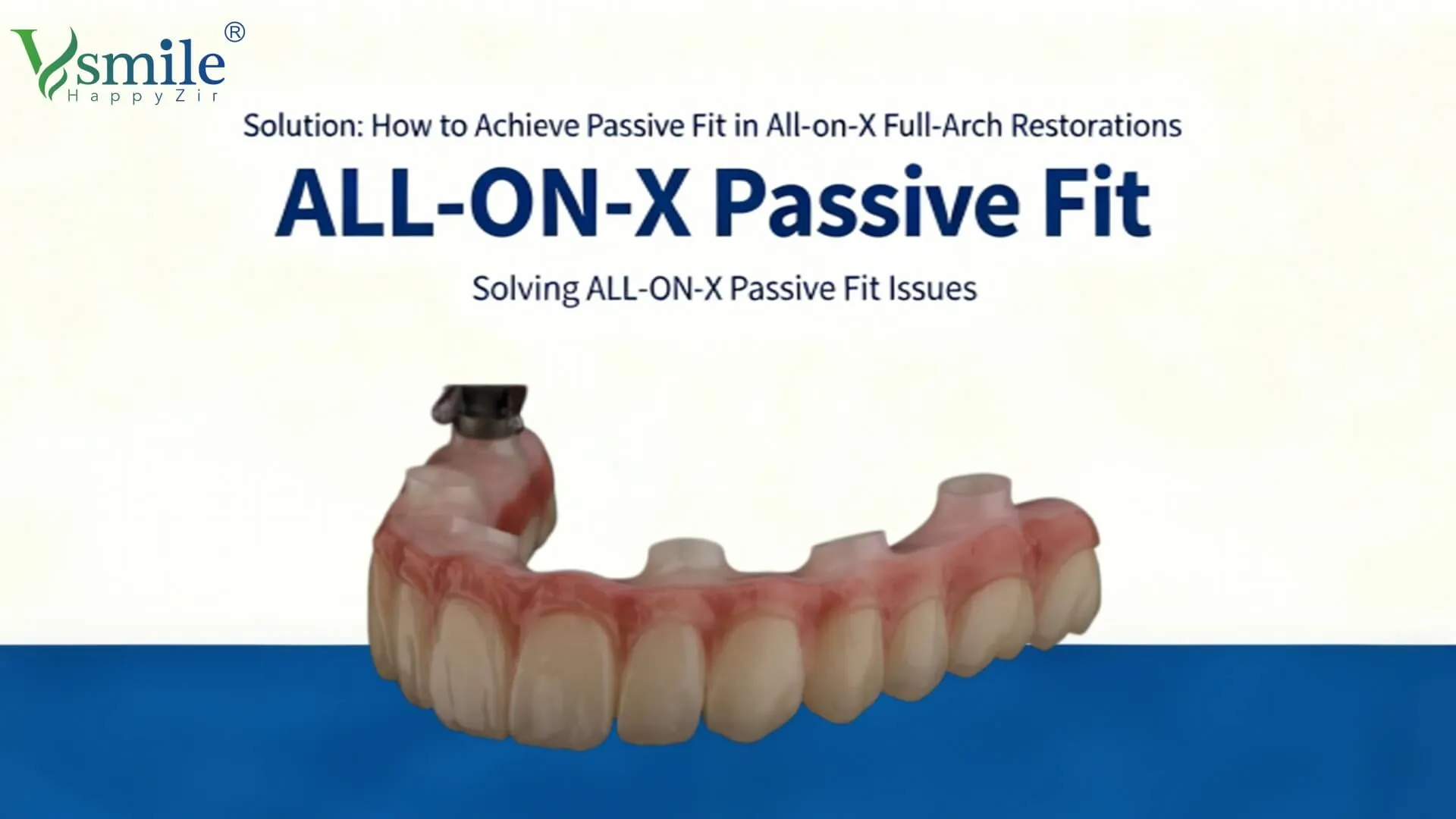
Passive fit failure is rarely caused by a single factor. Instead, it is the result of error stacking across the entire digital and manufacturing workflow.
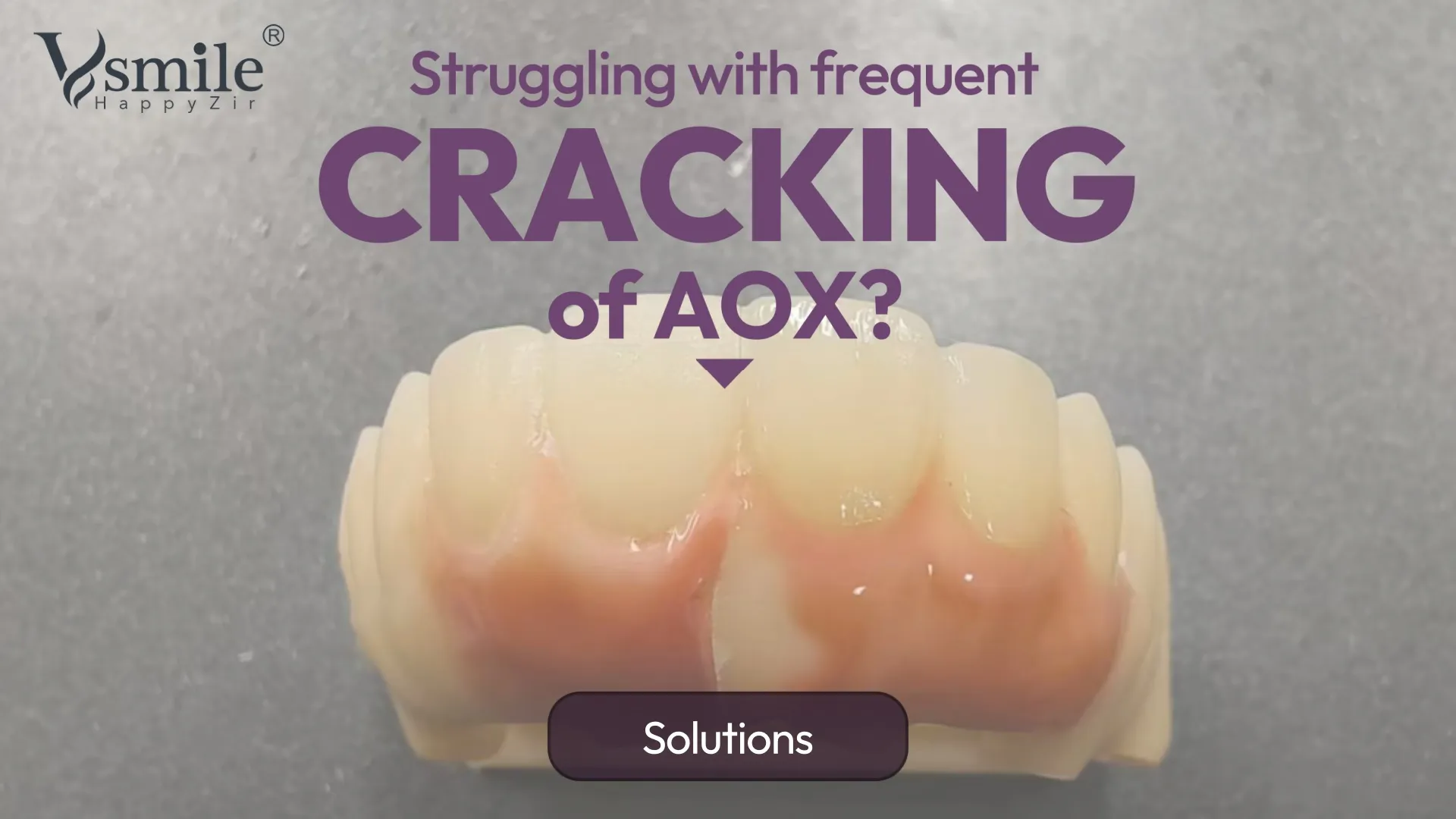
Fracture and microcracks are among the most critical failure modes in All-on-X (AOX) zirconia restorations.
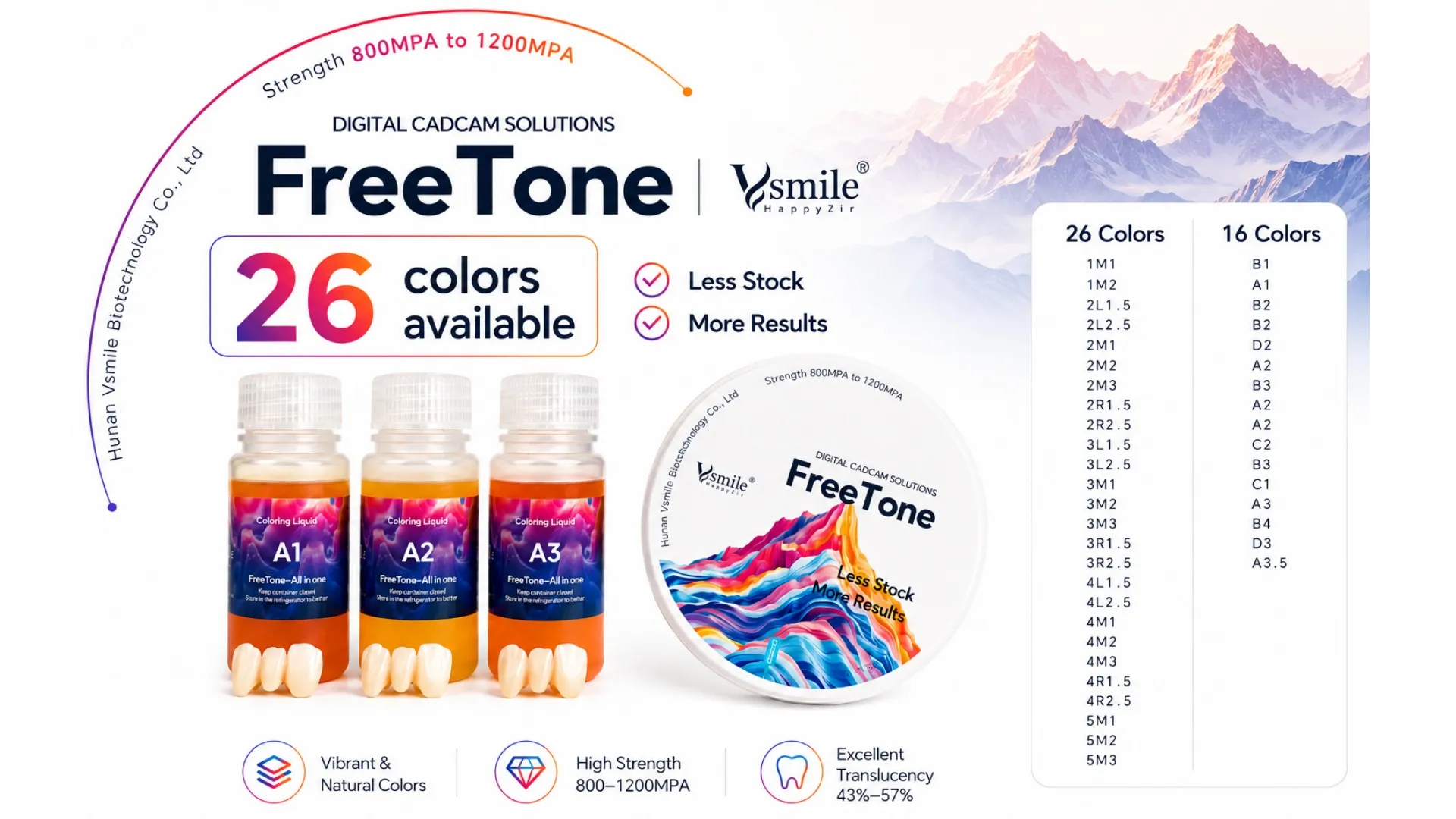
Whether you're crafting A1 or D4, FreeTone White Zirconia Disc gives you total shade control with just one SKU — streamlining inventory and increasing productivity.
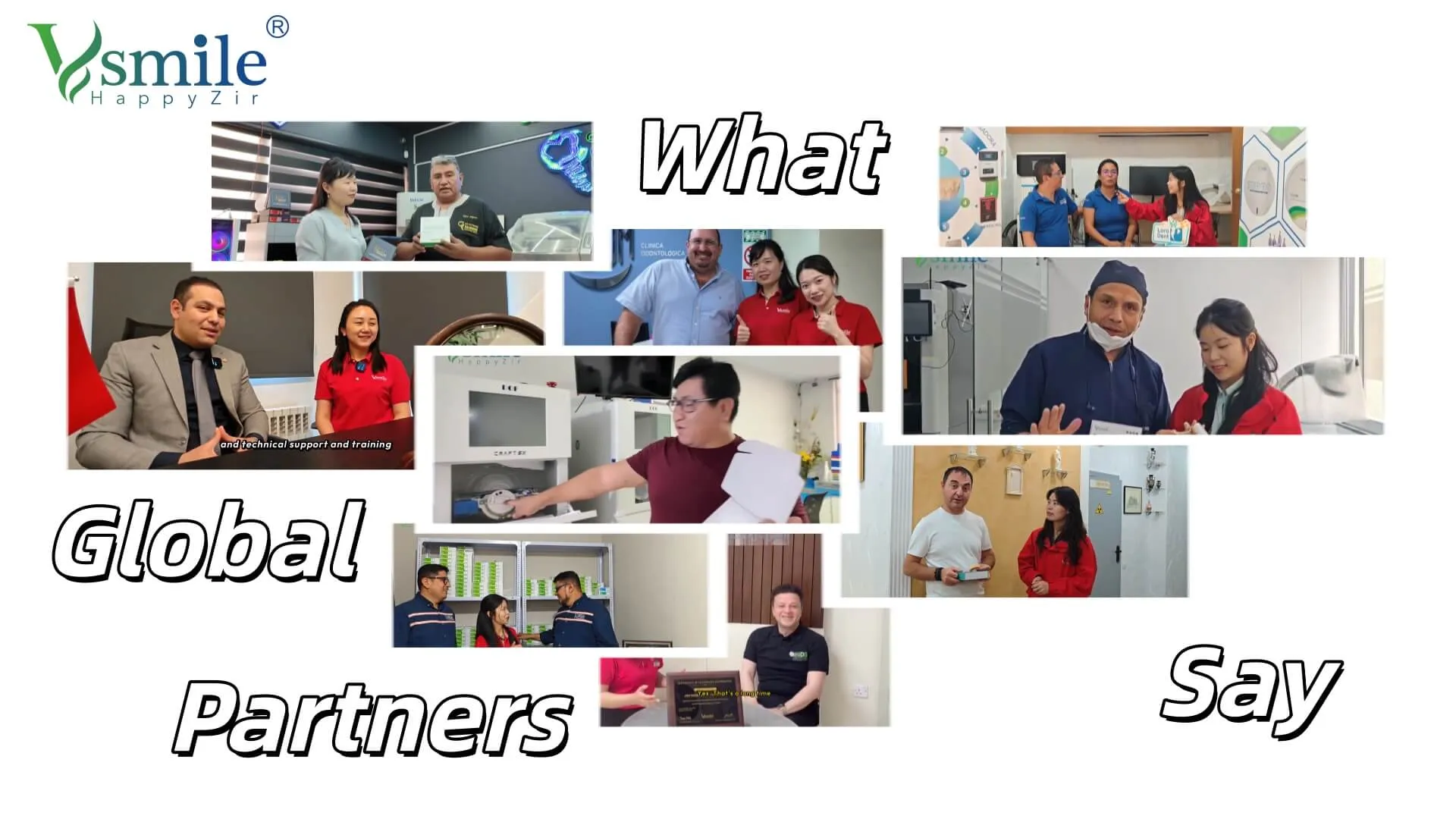
Voices from Vsmile Global Partners — Stories of Trust, Growth, and Smiles We Create Together.
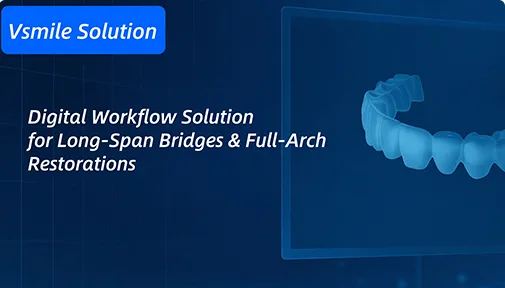
Long-span and full-arch restorations represent some of the most complex and failure-prone procedures in digital dentistry. Challenges include connector fractures, marginal misfits, sintering deformation, and low clinical longevity. Labs and clinics face a high rate of remakes, increased cost, and pressure to maintain quality under tight delivery deadlines.
2025.5.22

Vsmile offers a complete, validated digital workflow — from scanning to final zirconia bridge — that helps labs and clinics deliver life-changing smiles faster, with greater confidence and repeatable quality.


Tel: +86-731-85682958
Fax: +86-731-85682958
WhatsApp: +8615084896166/+8618569525651
Email: [email protected]
Address:
Room 1202-1203, Building A4,Huanchuang Corporate Park,No.2450, Yuelu West Avenue, Changsha Hi-tech Development District, Changsha, China.


























 EN
 fr
 ru
 nl
 uk
 fil
 lo
 ko
 it
 es
 el
 pt
 de
 th
 be
 sq
 tr
 ar
 vi
 pl