Trusted by 6000+ Labs · ISO13485 Certified · Fast Delivery from 3 Factories

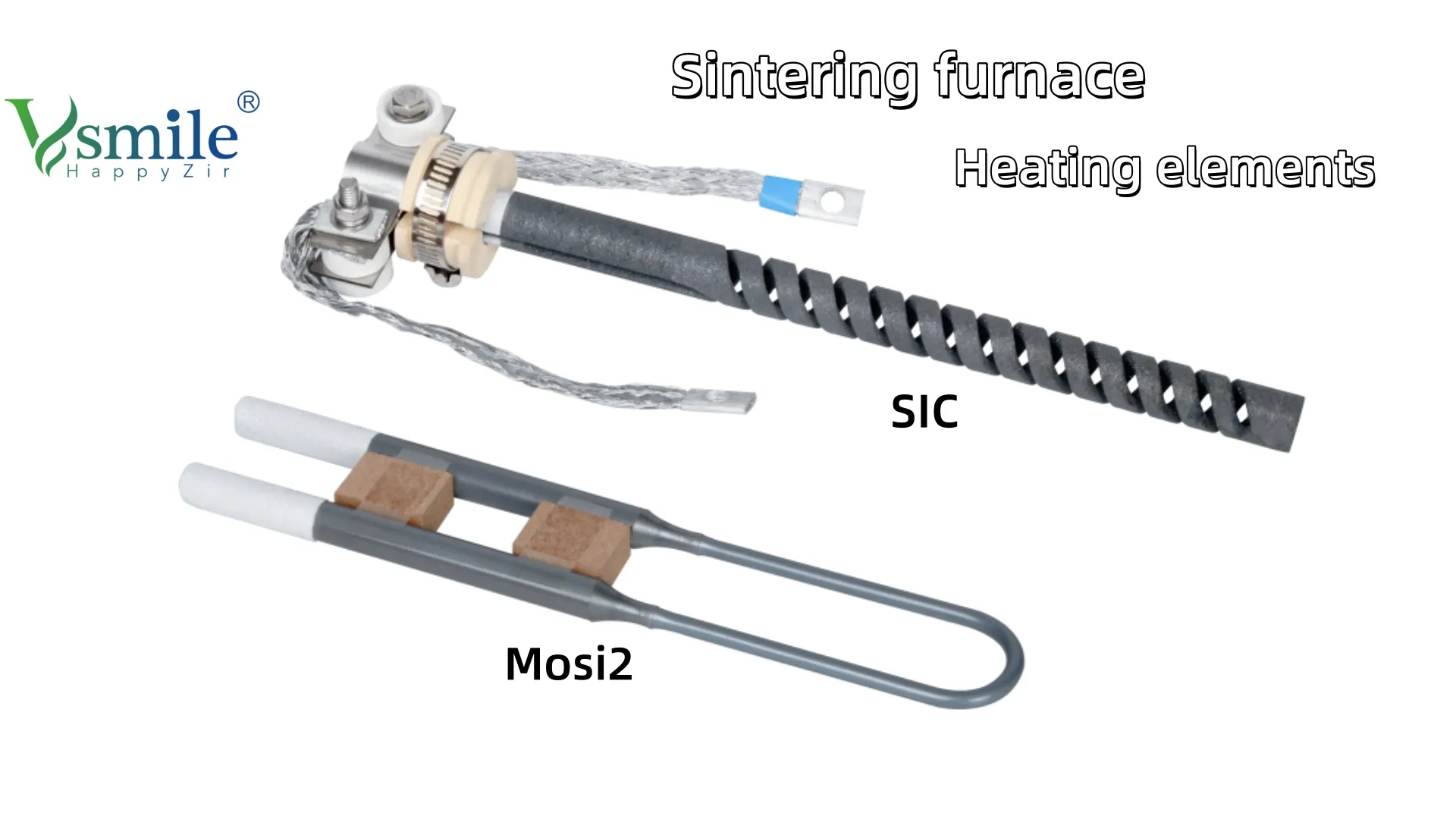
Have you ever felt a little overwhelmed looking at the technical specs for a new sintering furnace? It seems like every component is critical, but none more so than the dental sintering furnace heating elements. These aren't just wires that get hot; they're the engine that drives your entire workflow, directly influencing the quality of your zirconia restorations.
But here’s the thing—not all heating elements are created equal. The two most common types you'll encounter are MoSi2 heating elements (Molybdenum Disilicide) and SiC heating elements (Silicon Carbide). Making the right choice, or even knowing when to replace them, can feel confusing. Let’s break down the differences so you can make a confident decision for your lab.
Before we dive into the differences, it's worth noting what they have in common. Both MoSi2 and SiC heating elements are manufactured from high-purity raw materials. This ensures they can withstand the extreme temperatures and harsh conditions inside your furnace. They’re both designed to be corrosion-resistant and highly durable, which is exactly what you need to consistently produce high-quality restorations.
When you're aiming for top-tier performance, MoSi2 is often the go-to.
Higher Temperature Range: These elements can reach sintering temperatures of up to 1800°C, making them ideal for a wide range of advanced zirconia materials that require higher firing schedules.
The Durability Trade-off: While they can handle the heat, they can be more brittle than their SiC counterparts. A key point to remember is that these elements are often connected in a series within your furnace. If one element has a slightly different resistance, it can cause the others to fail prematurely. This is why when one MoSi2 element breaks, it's often a good idea to replace the entire set to ensure uniform resistance and avoid future headaches.
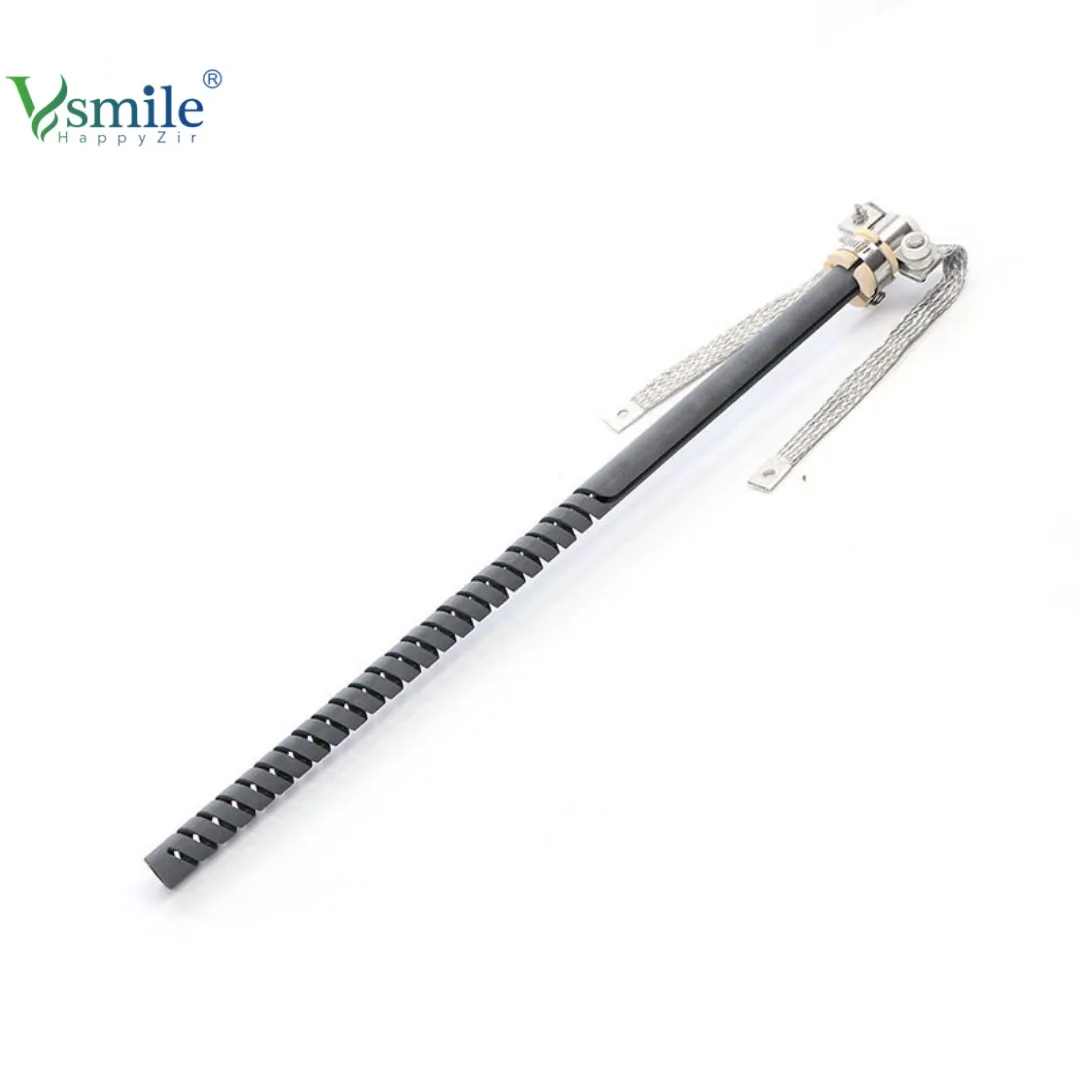
SiC heating elements are a staple in many labs for their consistent, reliable performance.
Exceptional Strength: Compared to MoSi2, SiC elements are much stronger and less prone to breakage. This durability makes them a reliable choice for daily use.
A Lower Temperature Ceiling: The primary difference is their maximum operating temperature, which typically caps out around 1500°C. For many standard zirconia materials, this is more than enough, but it's important to confirm your material's specific firing requirements.
Flexible Shapes: SiC elements can also be manufactured in different shapes, like spiral designs, to meet the specific needs of various furnace models.
So, which one is right for you? It really comes down to your specific needs:
Choose MoSi2 if your workflow demands extremely high temperatures for specialized materials and you're prepared to replace elements as a full set when needed.
Choose SiC if you prioritize robust durability and your sintering programs stay within the 1500°C range.
No matter which type your furnace uses, eventually you'll need a replacement. At Vsmile, we understand the importance of quality and precision. We offer high-quality MoSi2 heating elements and SiC heating elements that can be customized to fit your specific sintering furnace model. Just let us know your requirements or the dimensions of your current elements, and we'll help you find the perfect match.
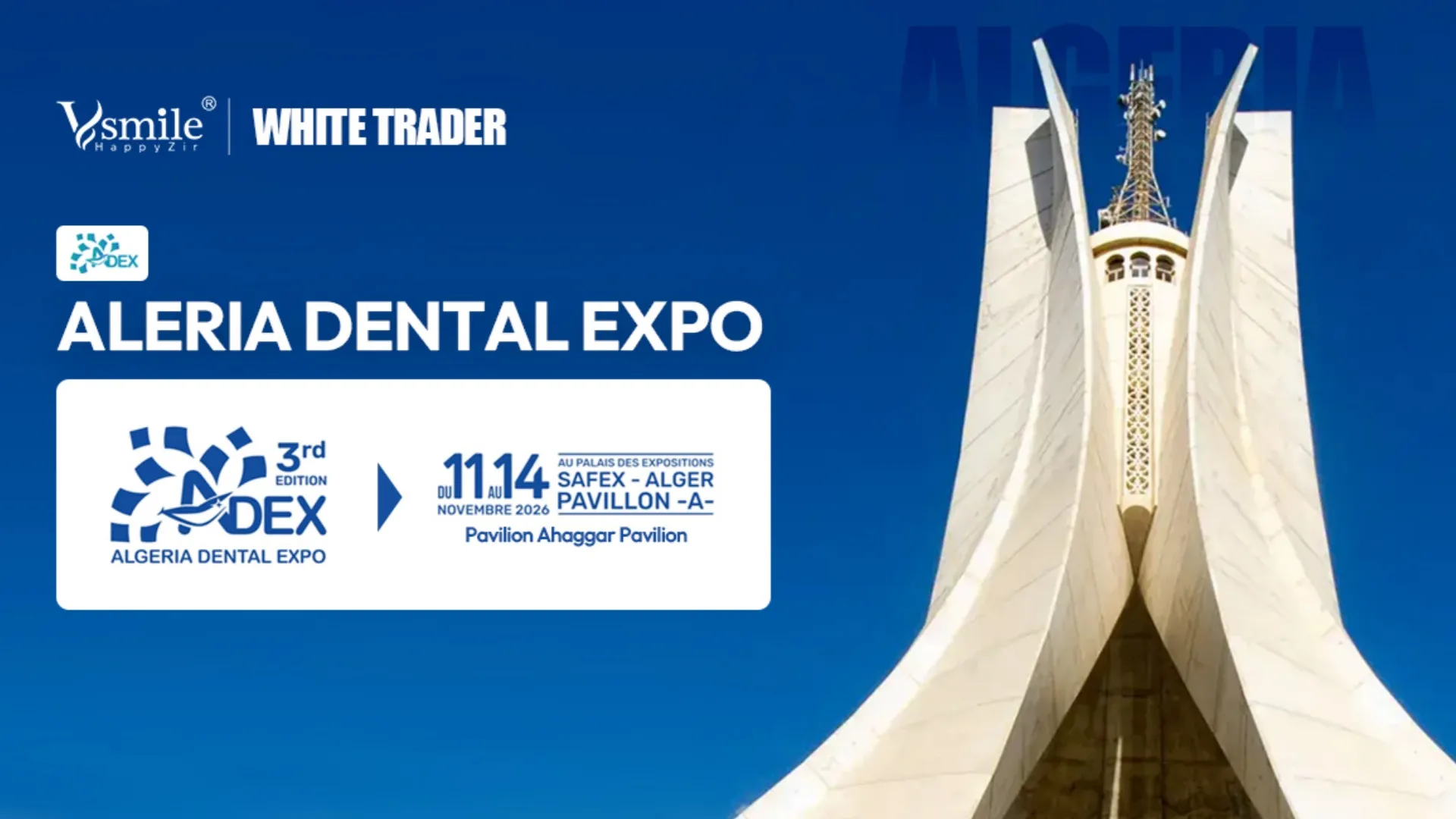
Vsmile is pleased to announce its participation in the 3rd Algerian Dental Expo (ADEX 2026), taking place from November 11 to 14, 2026, at the Palais des Expositions (SAFEX) in Algiers, Algeria.
At this year's exhibition, Vsmile will join its local distribution partner, WHITE TRADER, at Pavillon A. Together, the teams will connect with dental professionals and showcase dental materials, CAD/CAM solutions and practical applications for modern dental laboratory workflows.
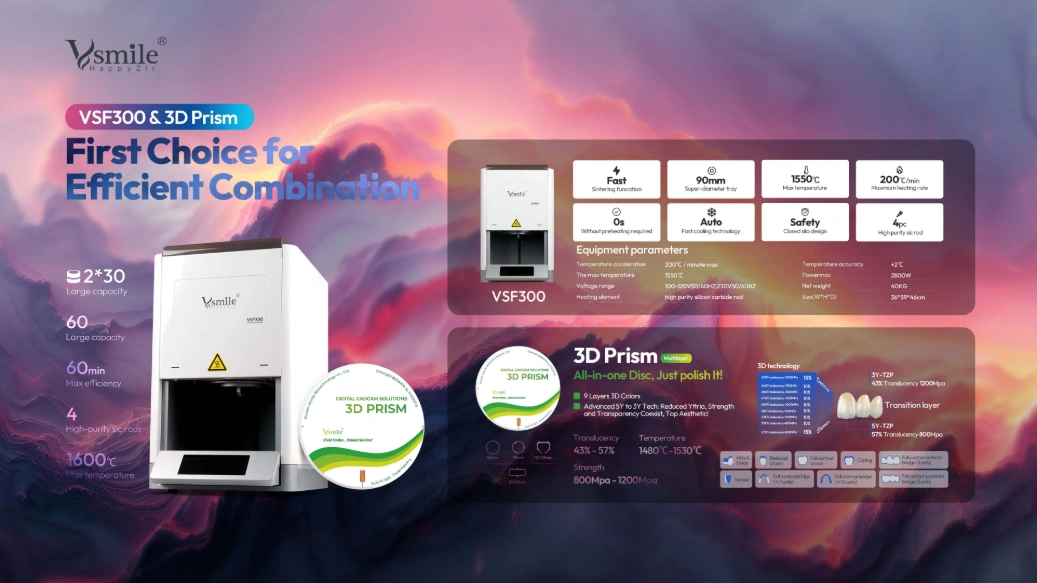
This bundle combines the powerful VSF300 fast sintering furnace with 4 pcs of 3D Prism multilayer zirconia blocks, delivering speed, capacity, and consistent esthetics in one package.
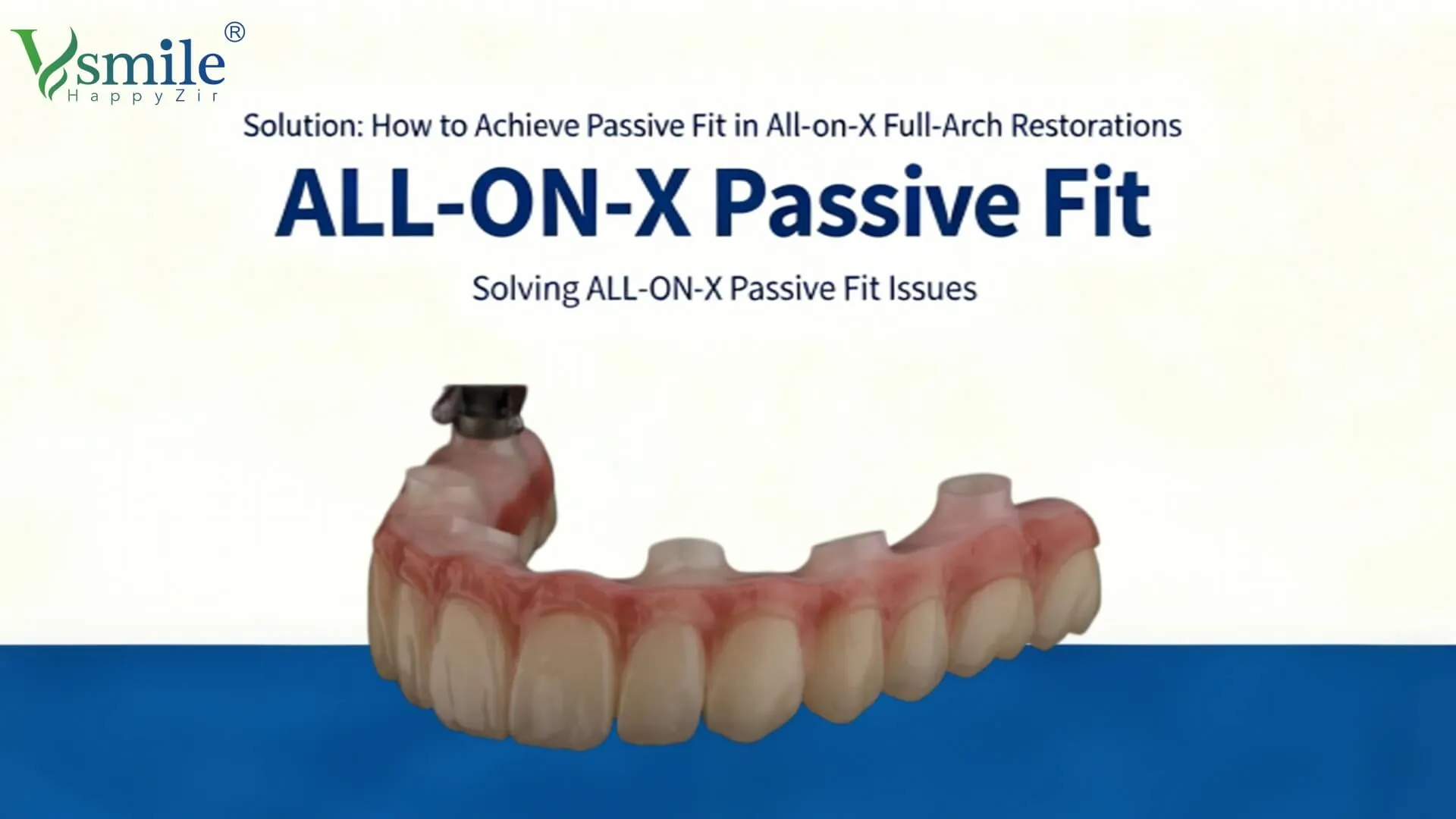
Passive fit failure is rarely caused by a single factor. Instead, it is the result of error stacking across the entire digital and manufacturing workflow.
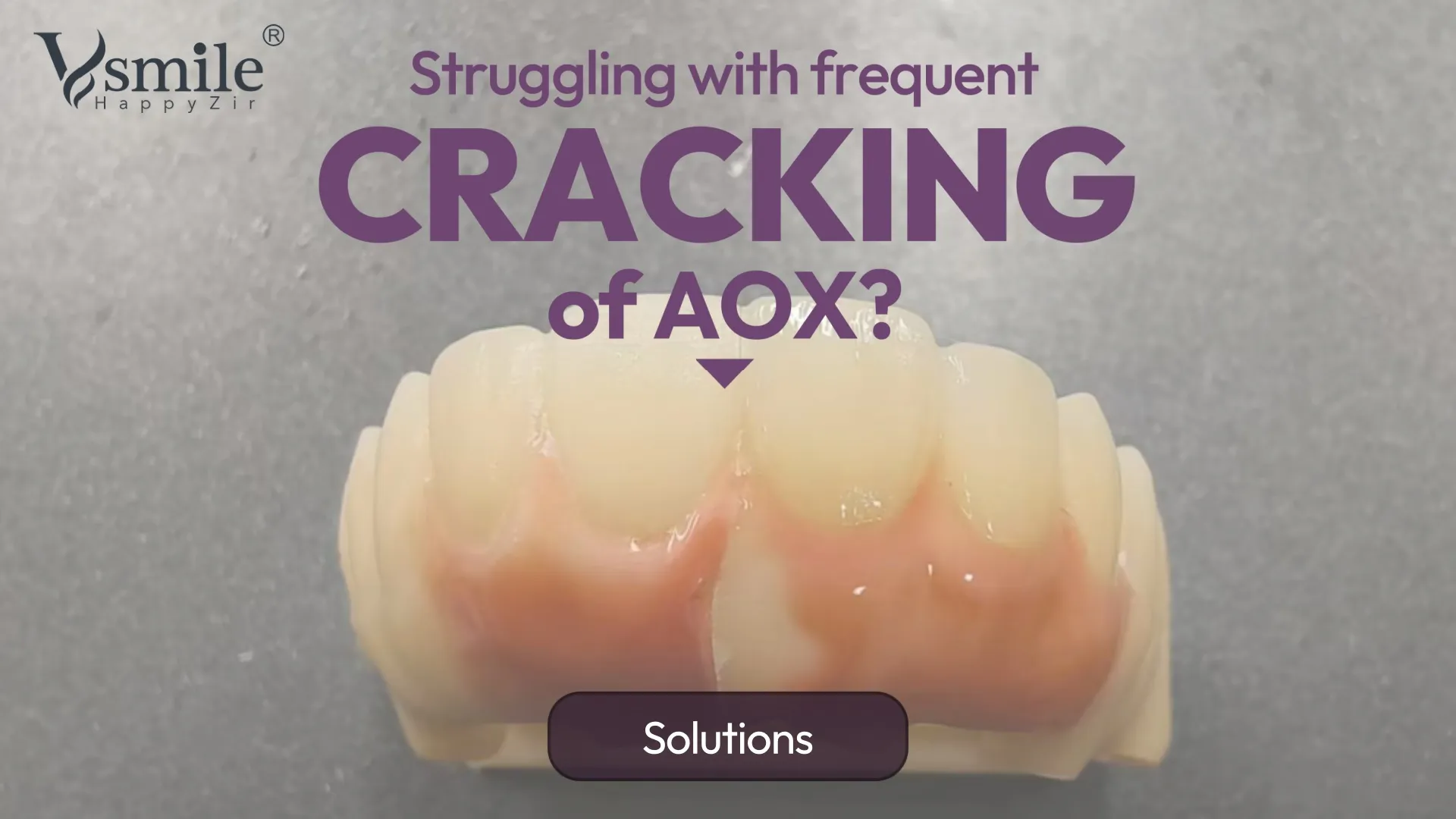
Fracture and microcracks are among the most critical failure modes in All-on-X (AOX) zirconia restorations.
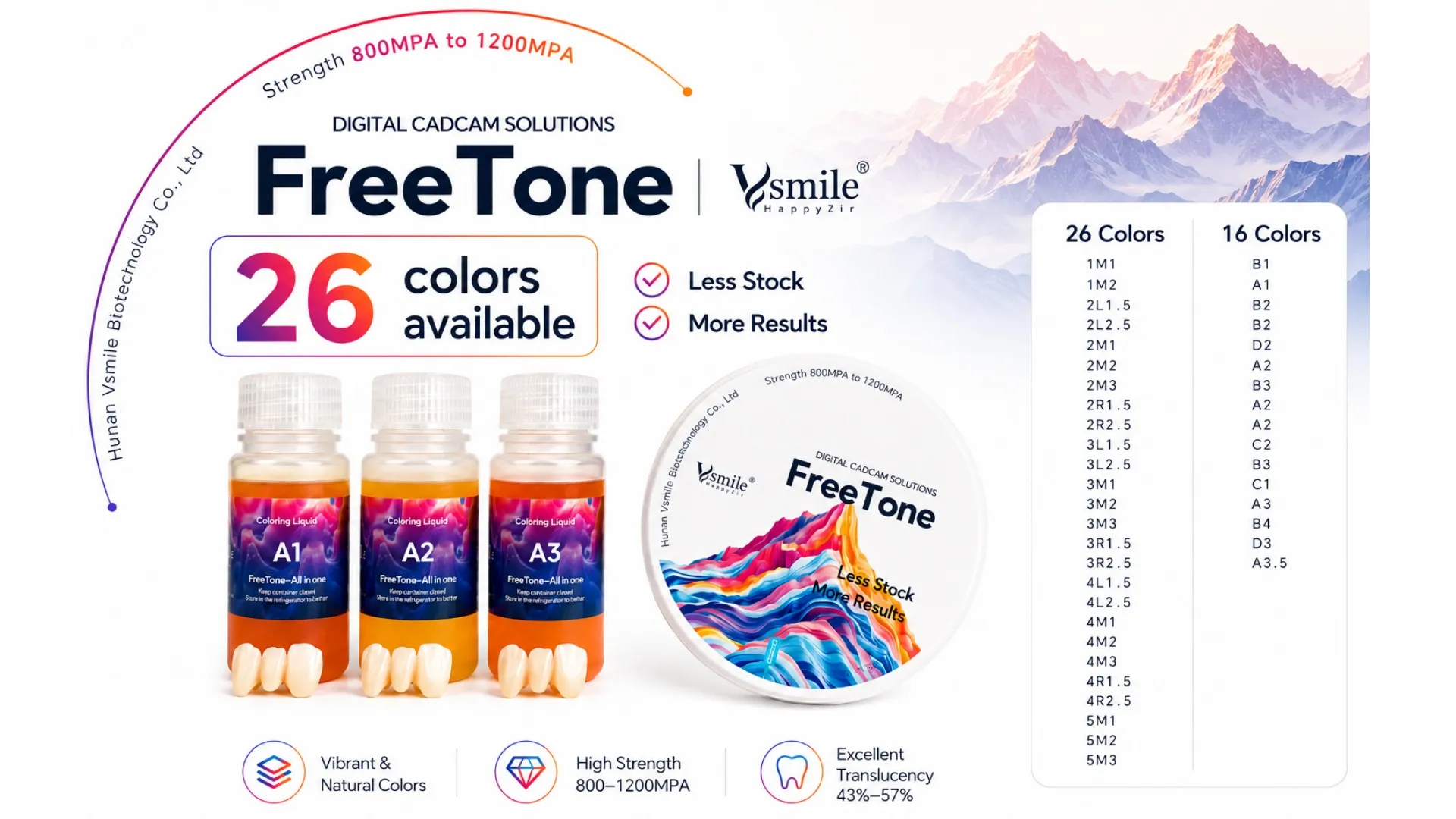
Whether you're crafting A1 or D4, FreeTone White Zirconia Disc gives you total shade control with just one SKU — streamlining inventory and increasing productivity.
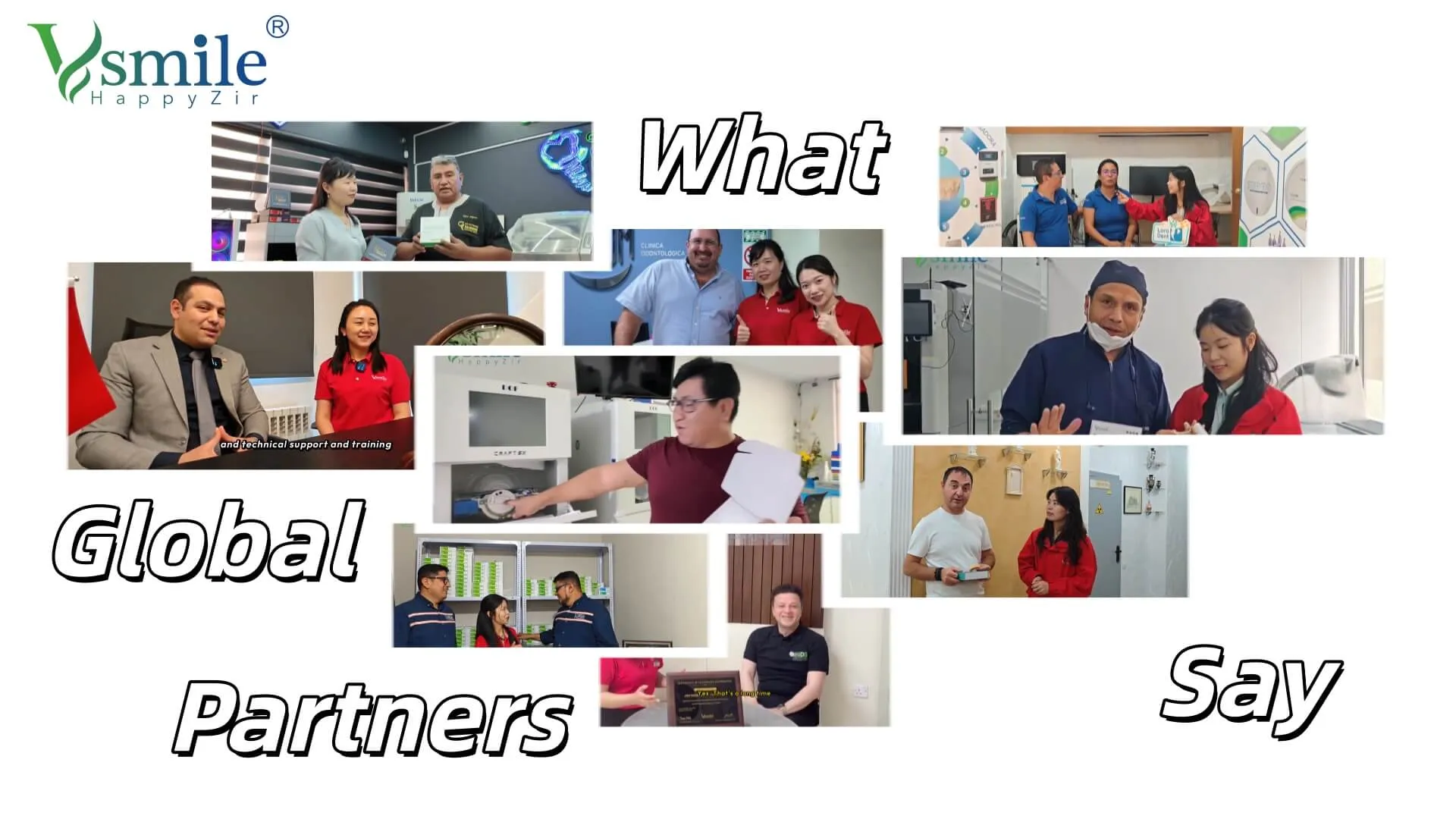
Voices from Vsmile Global Partners — Stories of Trust, Growth, and Smiles We Create Together.
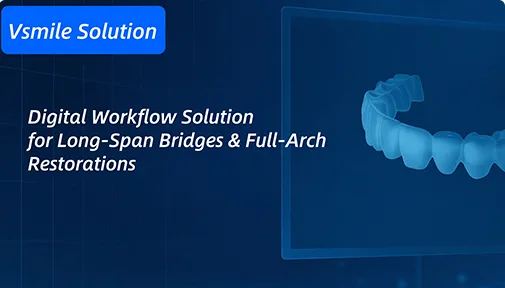
Long-span and full-arch restorations represent some of the most complex and failure-prone procedures in digital dentistry. Challenges include connector fractures, marginal misfits, sintering deformation, and low clinical longevity. Labs and clinics face a high rate of remakes, increased cost, and pressure to maintain quality under tight delivery deadlines.
2025.5.22

Vsmile offers a complete, validated digital workflow — from scanning to final zirconia bridge — that helps labs and clinics deliver life-changing smiles faster, with greater confidence and repeatable quality.


Tel: +86-731-85682958
Fax: +86-731-85682958
WhatsApp: +8615084896166/+8618569525651
Email: [email protected]
Address:
Room 1202-1203, Building A4,Huanchuang Corporate Park,No.2450, Yuelu West Avenue, Changsha Hi-tech Development District, Changsha, China.


























 EN
 fr
 ru
 nl
 uk
 fil
 lo
 ko
 it
 es
 el
 pt
 de
 th
 be
 sq
 tr
 ar
 vi
 pl