Trusted by 6000+ Labs · ISO13485 Certified · Fast Delivery from 3 Factories


In dental labs, remakes are both costly and time-consuming. While the right materials play a crucial role, impression and scanning techniques are just as important. Poor-fitting restorations, color mismatches, and structural failures are often a result of inaccurate impressions, no matter how high-quality the material is.
In Peru, where dental labs face increasing demand for precision and efficiency, it’s essential to consider all factors that affect the accuracy and longevity of restorations. The key to reducing remakes isn’t just about the materials you choose—it's about combining the right materials with accurate and reliable impression/scanning techniques.
Let’s dive into how Zirconia, PMMA, Glass Ceramic, and proper impression techniques work together to help your lab reduce costly remakes.
The foundation of every great dental restoration begins with an accurate impression or digital scan. The most common reason for remakes is a poor-fitting restoration caused by inaccurate impressions. Whether you're using digital scanners or traditional methods, here’s how to reduce distortions from the get-go:
Accuracy: Digital scanners are known to provide better fit on average than traditional analog impressions, significantly reducing material-related distortions.
Faster Workflow: Digital impressions are faster and can be immediately sent to CAD/CAM systems, reducing delays and human errors in the process.
Better Detail: High-quality digital scanners capture more detail, ensuring that the final restoration fits the patient's mouth perfectly. This reduces the need for adjustments and minimizes the risk of remakes.
For precise digital impressions, you can rely on the Vsmile Dental 3D Intraoral Scanner and Vsmile Dental Laboratory Desktop Scanner. Both tools provide high accuracy and speed, streamlining the process and minimizing fitting errors.
Tip: Invest in a high-quality intraoral scanner to capture precise and detailed scans, ensuring minimal post-processing errors in the lab.
Rigid Tray Sizes: When using traditional impression materials, ensure the tray size is suitable for the arch and that the material is seated properly. A poor tray fit can lead to distortion.
No Bubbles or Voids: Bubbles or voids in the impression material cause inaccuracies in the mold, leading to a poor fit when the final restoration is made. Ensure the impression material is mixed properly and that it is free of air bubbles before setting it.
Proper Handling: Always handle the impression with care, and ensure it is transported in a way that prevents distortion until it's poured with gypsum or sent to the lab.
Tip: For analog impressions, use rigid, well-fitting trays and ensure the material sets correctly without air pockets or voids. This will help reduce distortion during the pouring process.
Choosing the correct material is another critical factor in reducing remakes. Whether you choose Zirconia, PMMA, or Glass Ceramic, knowing their strengths and limitations is key to improving the overall fit and longevity of the restoration.
Strength: Zirconia is the material of choice for posterior restorations or implant-supported restorations due to its high strength and fracture resistance. However, it requires careful milling and proper sintering to achieve a perfect fit.
Matching Fit: When using zirconia, ensure the CAD/CAM design is optimized to the patient's specific occlusion. Improper fitting margins will lead to discomfort and the need for remakes.
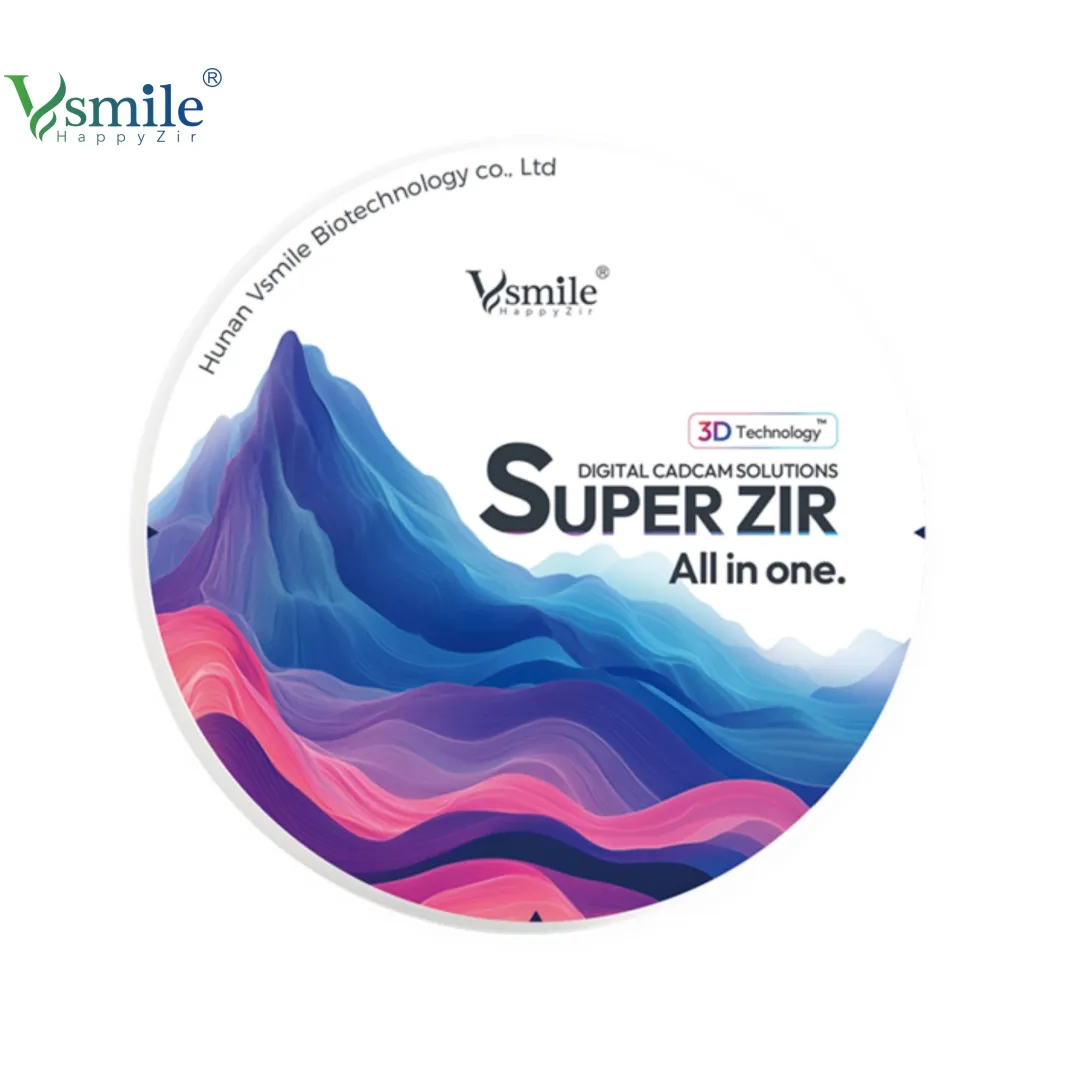
The Vsmile Zirconia Blocks are designed for both strength and esthetics, ensuring that your zirconia restorations are long-lasting and highly accurate.
Tip: Ensure precise milling and controlled sintering temperatures to avoid distortions in the zirconia material. Proper material selection for the patient's functional needs also reduces potential remakes.
Provisional Restorations: PMMA is excellent for temporary crowns or bridges due to its ease of milling and the ability to modify shape quickly. However, PMMA is not suitable for long-term use due to its lower strength compared to zirconia or glass ceramics.
Fit Verification: PMMA is often used for trial fittings, so verifying fit before switching to final restorations is crucial to avoid remakes.
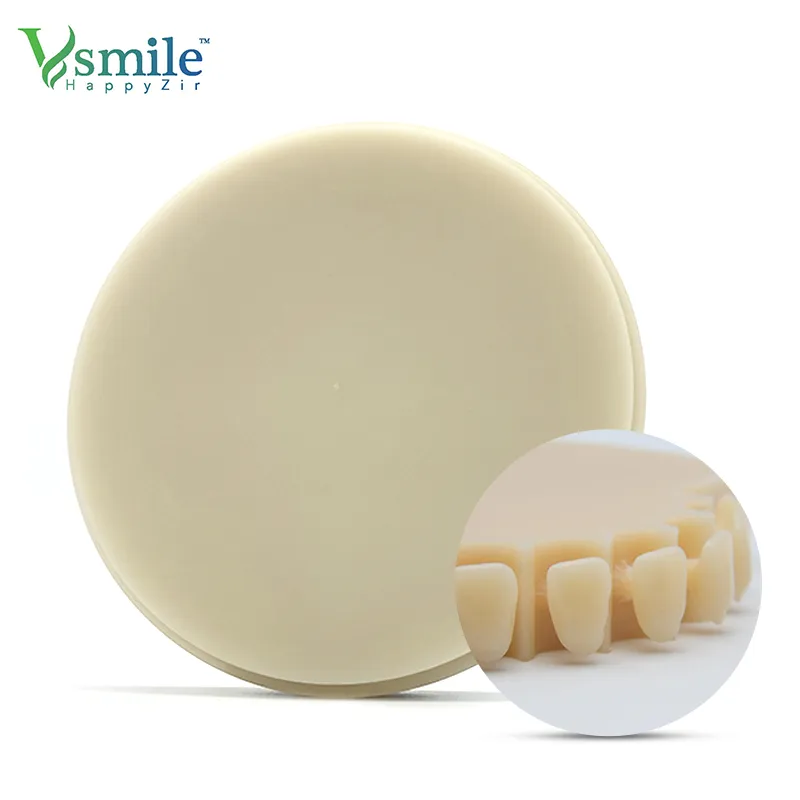
Vsmile's PMMA Discs offer high accuracy and ease of milling, making them ideal for provisional restorations and trial cases.
Tip: Use PMMA primarily for temporary restorations and check fit thoroughly before moving to a permanent solution. Proper occlusion and margin alignment reduce remakes.
Aesthetic Quality: Glass ceramics offer superior esthetic properties due to their high translucency and ability to mimic the natural color of teeth. They are best used for anterior restorations.
Fracture Risk: While glass ceramics are highly aesthetic, they are more brittle than zirconia and may not be suitable for high-stress areas.
The Vsmile Lithium Disilicate is a high-quality material that combines the strength of ceramics with superior esthetics, making it ideal for anterior restorations.
Tip: Use glass ceramics for anterior restorations where esthetics are a priority, but ensure the restoration is placed in areas with low occlusal stress to prevent fractures and the need for remakes.
Even the best material can fail if not processed correctly. Sintering errors are another common cause of remakes, particularly with zirconia. Incorrect sintering temperature or cooling rates can lead to:
Shrinkage: When zirconia shrinks too much during sintering, it can cause a poor fit.
Fractures: Improper sintering may also cause internal fractures, which lead to restoration failures.
Tip: Follow the manufacturer’s recommended sintering cycles, and use reliable sintering furnaces like those available from Vsmile’s CAD/CAM Equipment, ensuring consistent and accurate results.
Miscommunication between the lab and clinic can also lead to remakes. Clear communication about:
Occlusion
Shade matching
Material expectations
Ensuring the clinic knows the best material choice for a given case, as well as making sure they understand the importance of accurate impressions or scans, is essential to reducing remakes.
Tip: Implement a clear communication process with clinics, especially regarding expectations for materials, shade matching, and occlusion. Establishing a protocol for checking the fit early can save time and reduce the need for remakes.
Reducing remakes involves a holistic approach that combines:
Accurate impression or scanning techniques
Proper material selection
Correct processing and firing techniques
Clear communication with clinics
By using digital scanners for higher accuracy and employing proper handling for analog impressions, along with selecting the right materials like Zirconia, PMMA, Glass Ceramic, and investing in high-quality equipment like Vsmile’s dental scanners and milling machines, dental labs in Peru can significantly reduce remakes. This approach not only saves time and costs but also enhances patient satisfaction and boosts your lab’s reputation for precision.
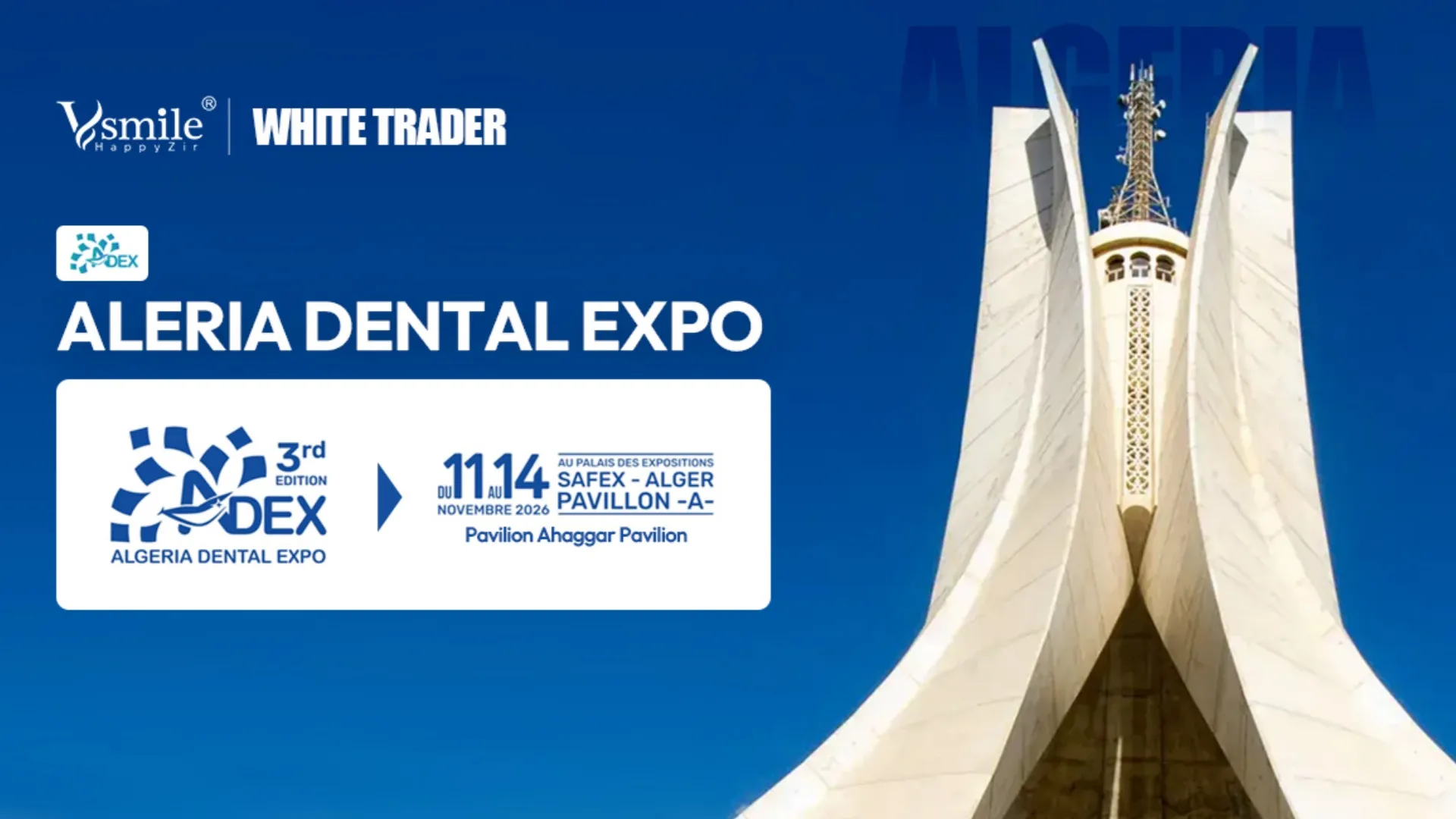
Vsmile is pleased to announce its participation in the 3rd Algerian Dental Expo (ADEX 2026), taking place from November 11 to 14, 2026, at the Palais des Expositions (SAFEX) in Algiers, Algeria.
At this year's exhibition, Vsmile will join its local distribution partner, WHITE TRADER, at Pavillon A. Together, the teams will connect with dental professionals and showcase dental materials, CAD/CAM solutions and practical applications for modern dental laboratory workflows.
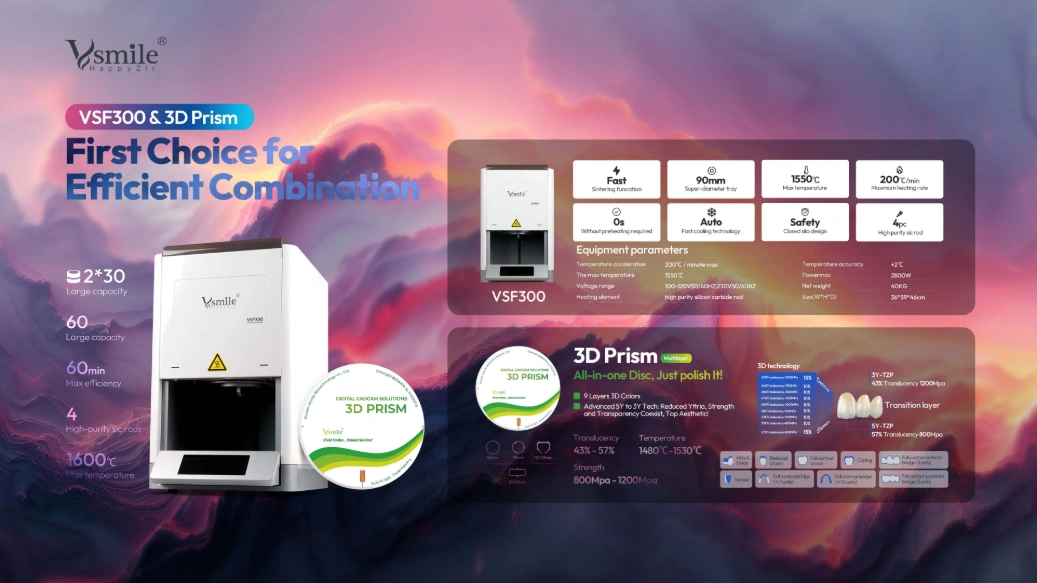
This bundle combines the powerful VSF300 fast sintering furnace with 4 pcs of 3D Prism multilayer zirconia blocks, delivering speed, capacity, and consistent esthetics in one package.
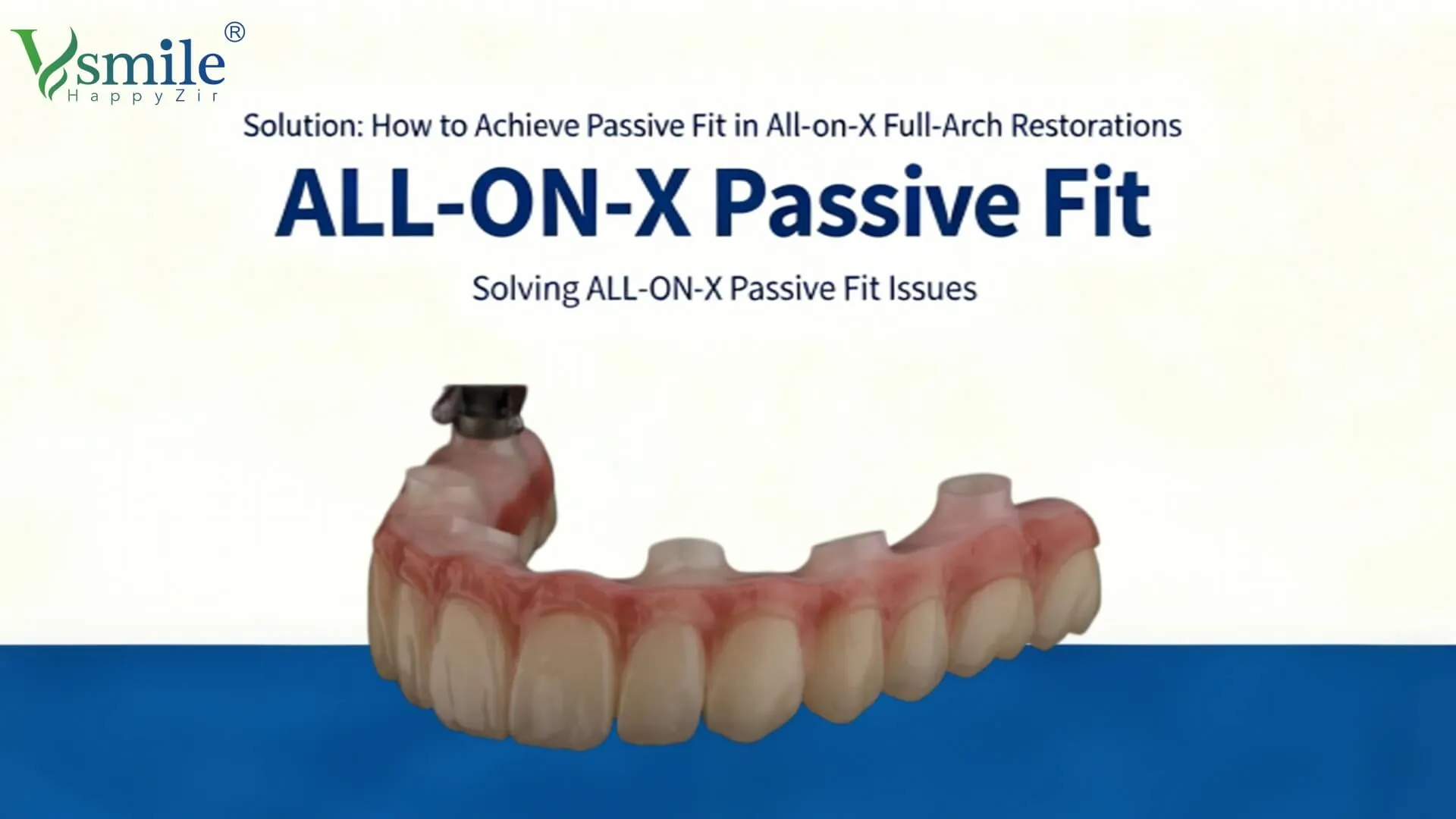
Passive fit failure is rarely caused by a single factor. Instead, it is the result of error stacking across the entire digital and manufacturing workflow.
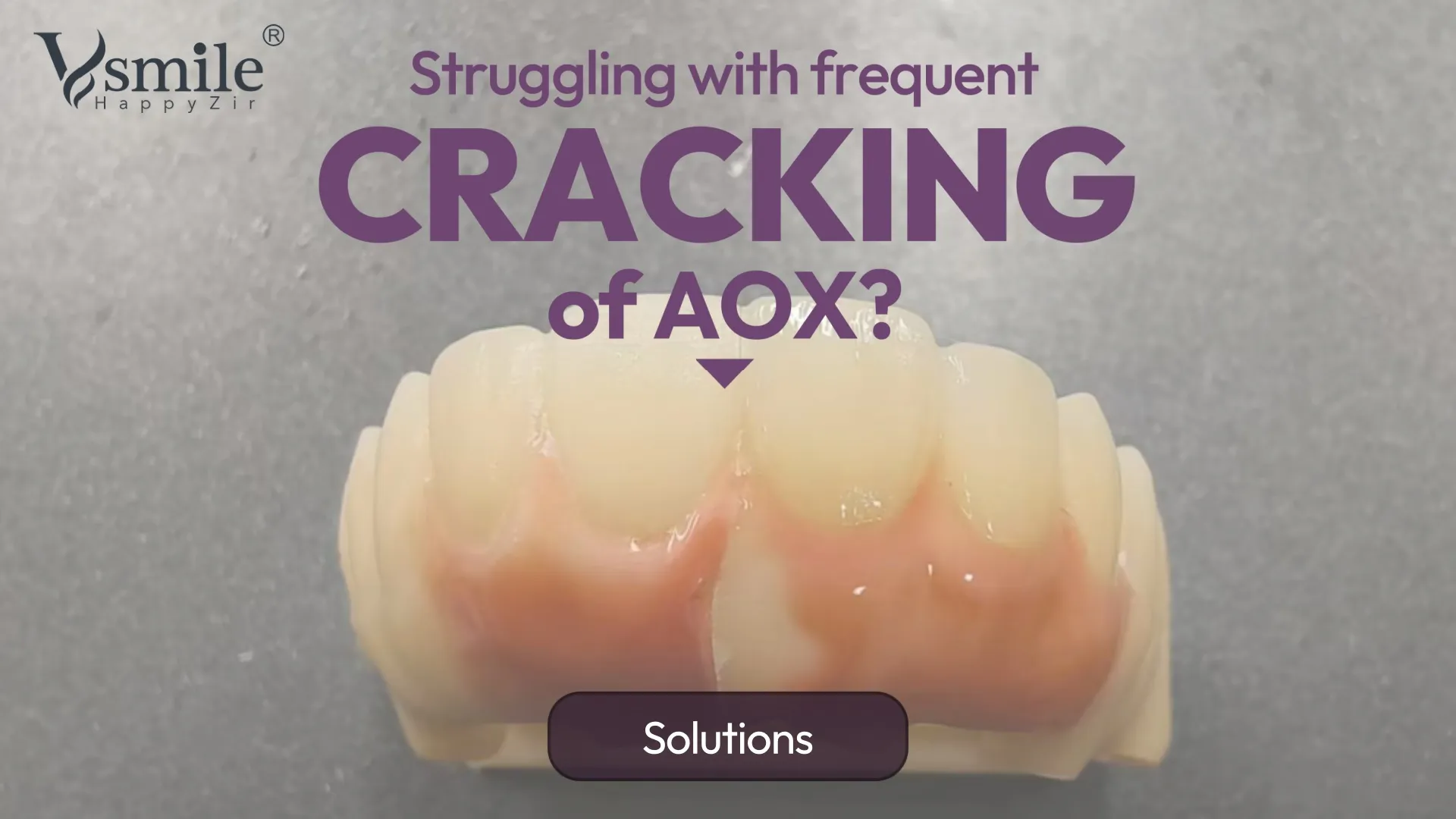
Fracture and microcracks are among the most critical failure modes in All-on-X (AOX) zirconia restorations.
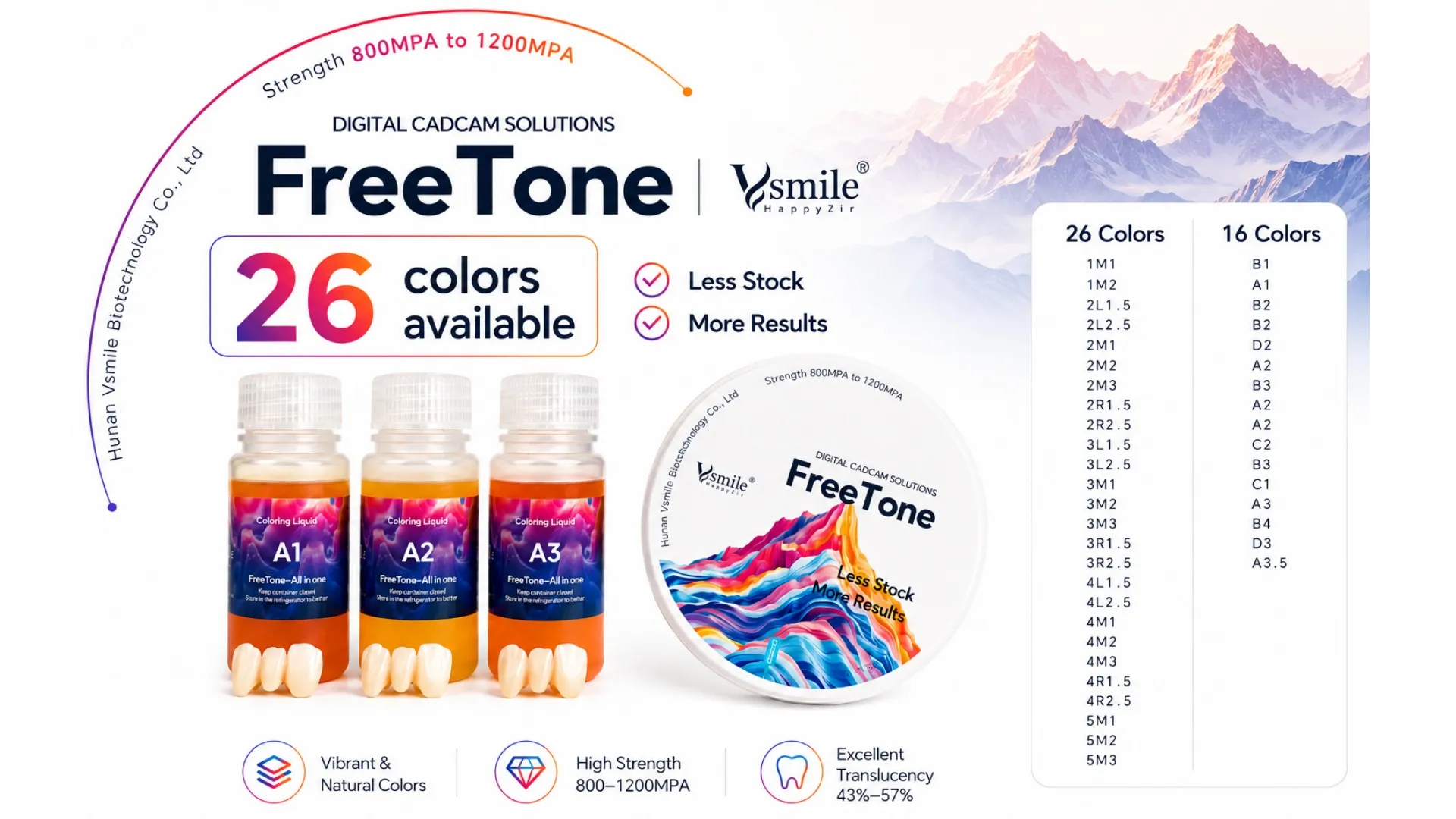
Whether you're crafting A1 or D4, FreeTone White Zirconia Disc gives you total shade control with just one SKU — streamlining inventory and increasing productivity.
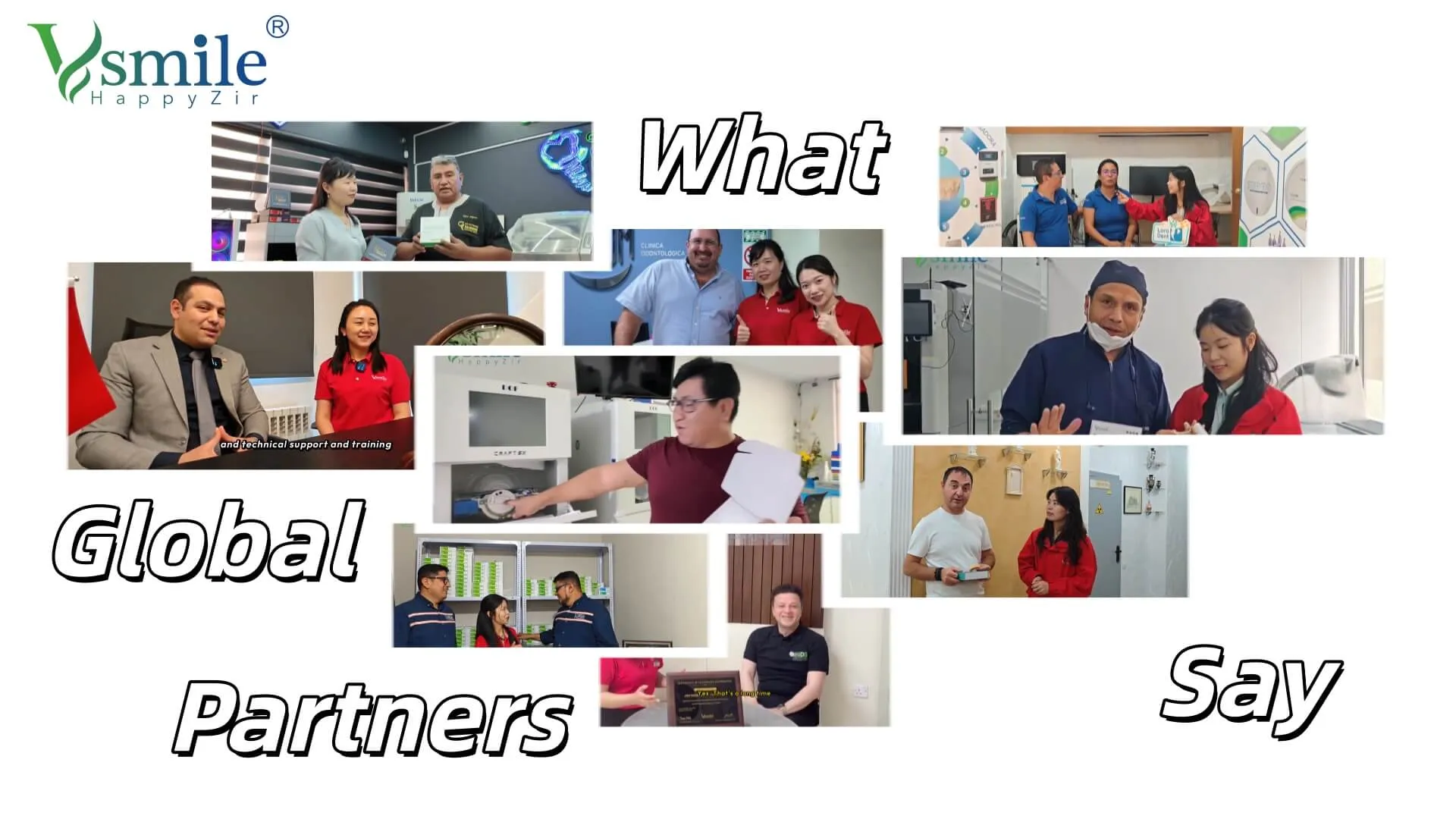
Voices from Vsmile Global Partners — Stories of Trust, Growth, and Smiles We Create Together.
Long-span and full-arch restorations represent some of the most complex and failure-prone procedures in digital dentistry. Challenges include connector fractures, marginal misfits, sintering deformation, and low clinical longevity. Labs and clinics face a high rate of remakes, increased cost, and pressure to maintain quality under tight delivery deadlines.
2025.5.22

Vsmile offers a complete, validated digital workflow — from scanning to final zirconia bridge — that helps labs and clinics deliver life-changing smiles faster, with greater confidence and repeatable quality.


Tel: +86-731-85682958
Fax: +86-731-85682958
WhatsApp: +8615084896166/+8618569525651
Email: [email protected]
Address:
Room 1202-1203, Building A4,Huanchuang Corporate Park,No.2450, Yuelu West Avenue, Changsha Hi-tech Development District, Changsha, China.


























 EN
 fr
 ru
 nl
 uk
 fil
 lo
 ko
 it
 es
 el
 pt
 de
 th
 be
 sq
 tr
 ar
 vi
 pl