Trusted by 6000+ Labs · ISO13485 Certified · Fast Delivery from 3 Factories


Dental 3D printing is moving out of the experimental corner of the lab. It is becoming part of the normal production plan: models in the morning, surgical guides before lunch, splints in the afternoon, and a rush case squeezed in when the clinic calls.
The next wave will not be judged by whether a printer can make a nice demo part. Dental labs will judge it by accepted cases, fewer remakes, cleaner resin handling, shorter training time, and whether the printed part fits into the rest of the CAD/CAM workflow without creating a new bottleneck.
Labs used to shop for a printer as a standalone machine. That is changing. The more practical buyer now looks at the whole chain: scanning, design, nesting, printing, washing, curing, finishing, inspection, and documentation. A printer that looks fast on a brochure can still slow the lab if resin changes, post-curing, or file preparation are not planned.
This is why equipment categories matter. A supplier with a broader Dental 3D Printers lineup gives buyers a way to compare DLP, LCD, resins, and curing around the parts they actually produce, instead of forcing one machine to answer every workflow question.
DLP will continue to play an important role in applications where optical consistency, repeatability, and process control are critical, including surgical guides, splints, and other precision-sensitive dental parts.A Dental DLP 3D Printer such as the Vsmile VRP D130 is built for that direction, with 385 nm projection, automatic light calibration, smart monitoring, automatic resin feeding, and dual platform and dual vat handling.
The trend here is not simply higher accuracy numbers. The more interesting shift is process control. Labs want fewer judgment calls from tired operators, fewer manual recalibration routines, and fewer failures caused by resin level, temperature, humidity, or light drift.
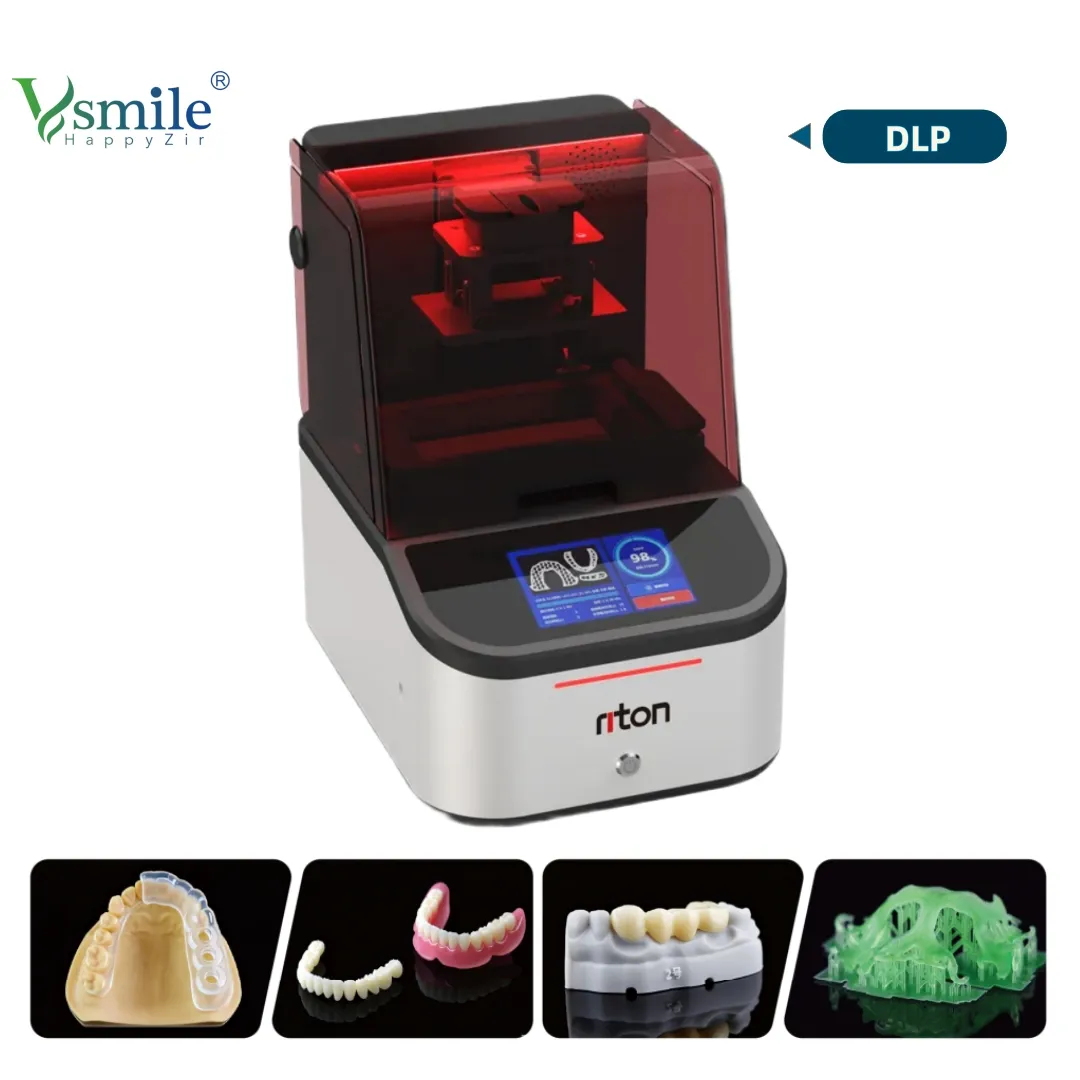
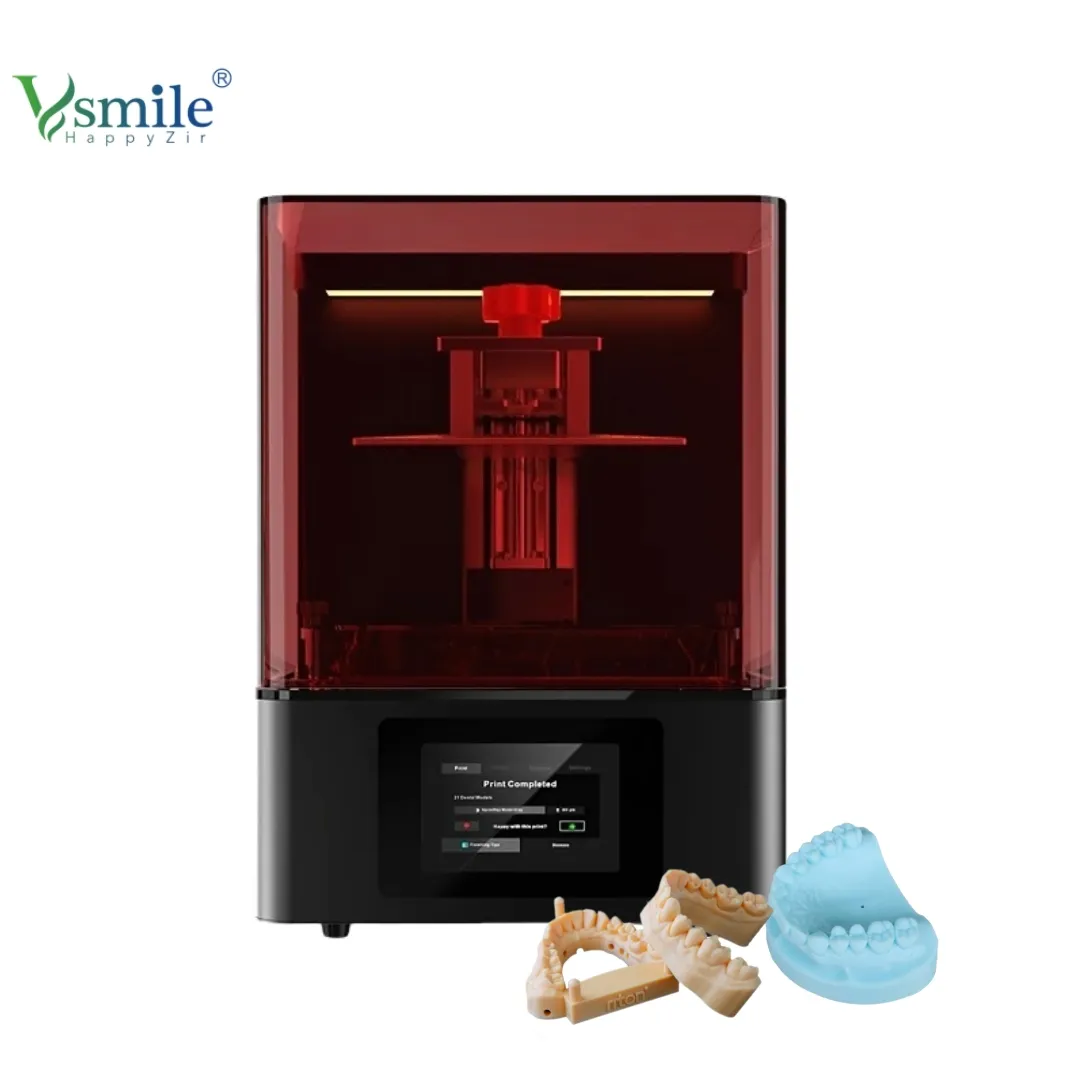
LCD printing is not going away. It is likely to become stronger in model-heavy workflows because large build areas and high-resolution screens can push more cases through the lab each day. A production-focused Resin 3D LCD Printer fits labs that print many models, orthodontic cases, and restorative workflow parts. Improvements in monochrome LCD lifespan, resolution, and open material compatibility will continue to make LCD systems attractive for production-oriented dental labs.
The buyer question will become sharper: use LCD where platform utilization and output per shift matter most, and use DLP where process control and fine detail carry more risk. Many labs will stop treating the two technologies as rivals and start assigning them different jobs.
| Trend | What changes in the lab | Buyer action |
|---|---|---|
| Printer choice by application | Labs separate DLP precision work from LCD batch work. | Ask suppliers to recommend printers by case type, not only by budget. |
| Validated resin systems | Materials become part of the printer decision. | Request resin parameters, post-curing guidance, and sample parts. |
| Automated calibration and monitoring | Operators spend less time correcting drift by feel. | Check how light uniformity, resin level, and environment are monitored. |
| Post-processing discipline | Washing and curing become documented production steps. | Plan curing capacity before increasing printer count. |
| Training-led adoption | Labs standardize habits across operators. | Include onboarding, maintenance routines, and acceptance criteria in the RFQ. |
| AI-assisted printing workflow | Software helps optimize orientation, supports, nesting and production scheduling |
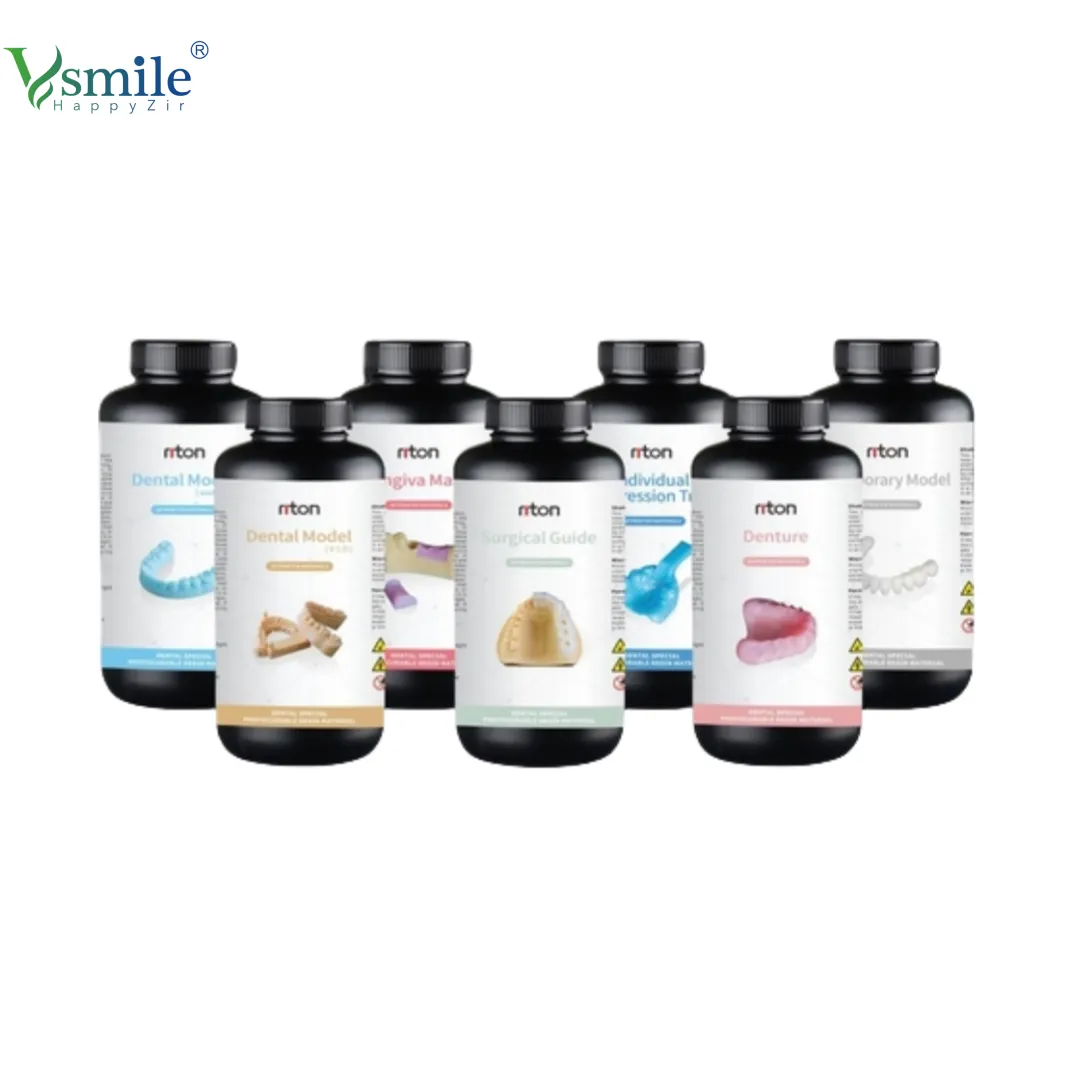
Future dental printing will depend as much on material selection as machine selection. Model resin, surgical guide resin, splint resin, gingiva mask resin, denture base resin, custom tray resin, and temporary restoration resin do not behave the same way. Labs that treat resin as a generic consumable will struggle with consistency.Future resin selection will become more application-driven, with stronger requirements for validated printer-resin-curing combinations.
A stronger buying process starts with the application list, then matches it to validated Dental 3D Printing Resins. If the lab expects to run both DLP and LCD systems, Dental 3D Printing Resin for LCD/DLP 3D Printer options can keep the material discussion tied to real indications rather than machine labels.
The printed build is not the finished appliance. Washing, drying, curing, support removal, polishing, and inspection decide whether a part is ready for the case. This will matter more as labs print parts that have higher clinical expectations.
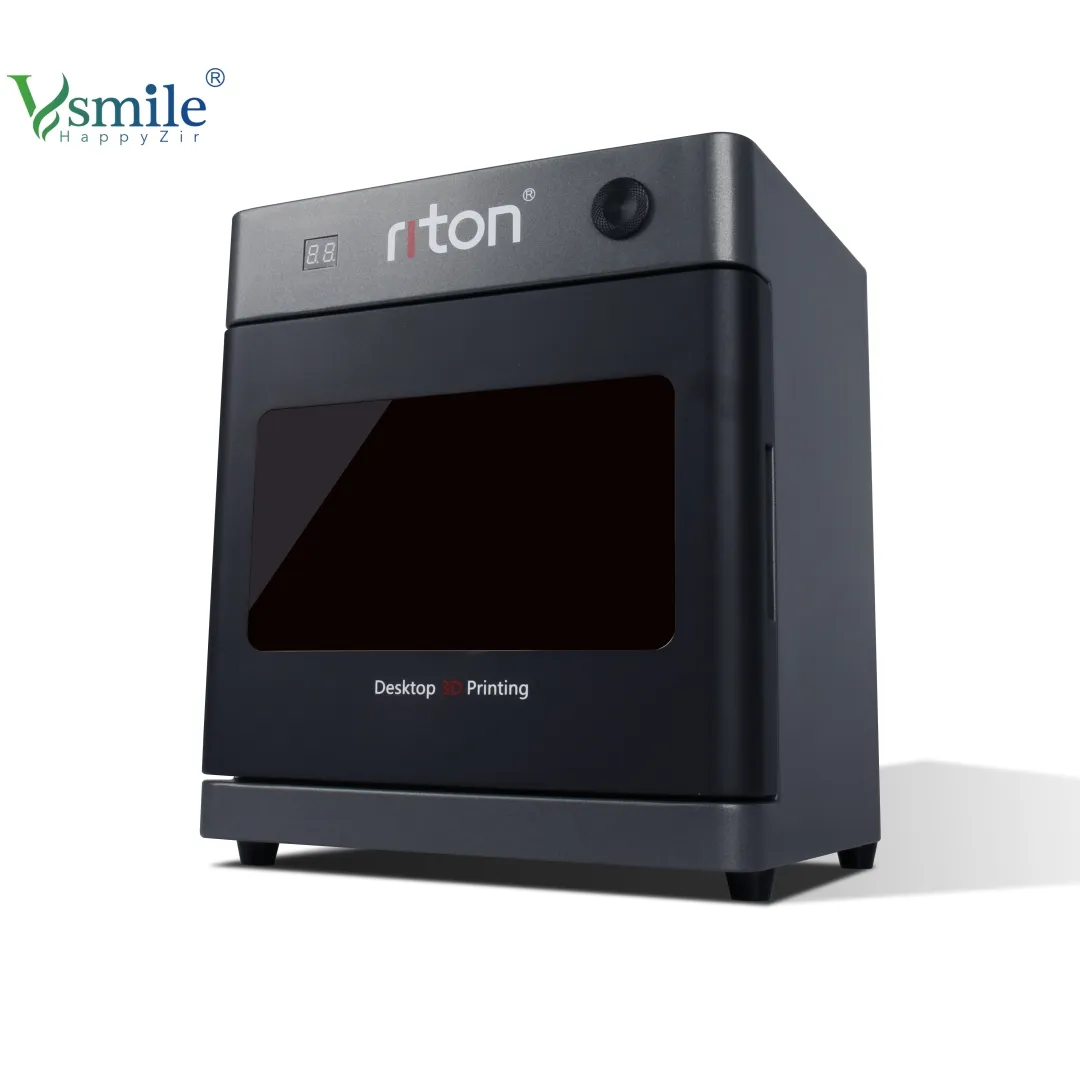
Post-curing will no longer be treated as a small accessory step. A dedicated UV curing box for dental 3D printing post-processing unit helps control polymerization, mechanical properties, dimensional stability, and consistency after printing.Without that control, a faster printer can simply produce more inconsistent parts.
Poor digital data quality — including inaccurate scans, improper CAD design, or defective files — can compromise the final printed result. That sounds obvious, but many labs still evaluate printers without checking whether their scan files, model design, and nesting workflow are strong enough. As digital dentistry matures, printing will be judged inside the full data chain.
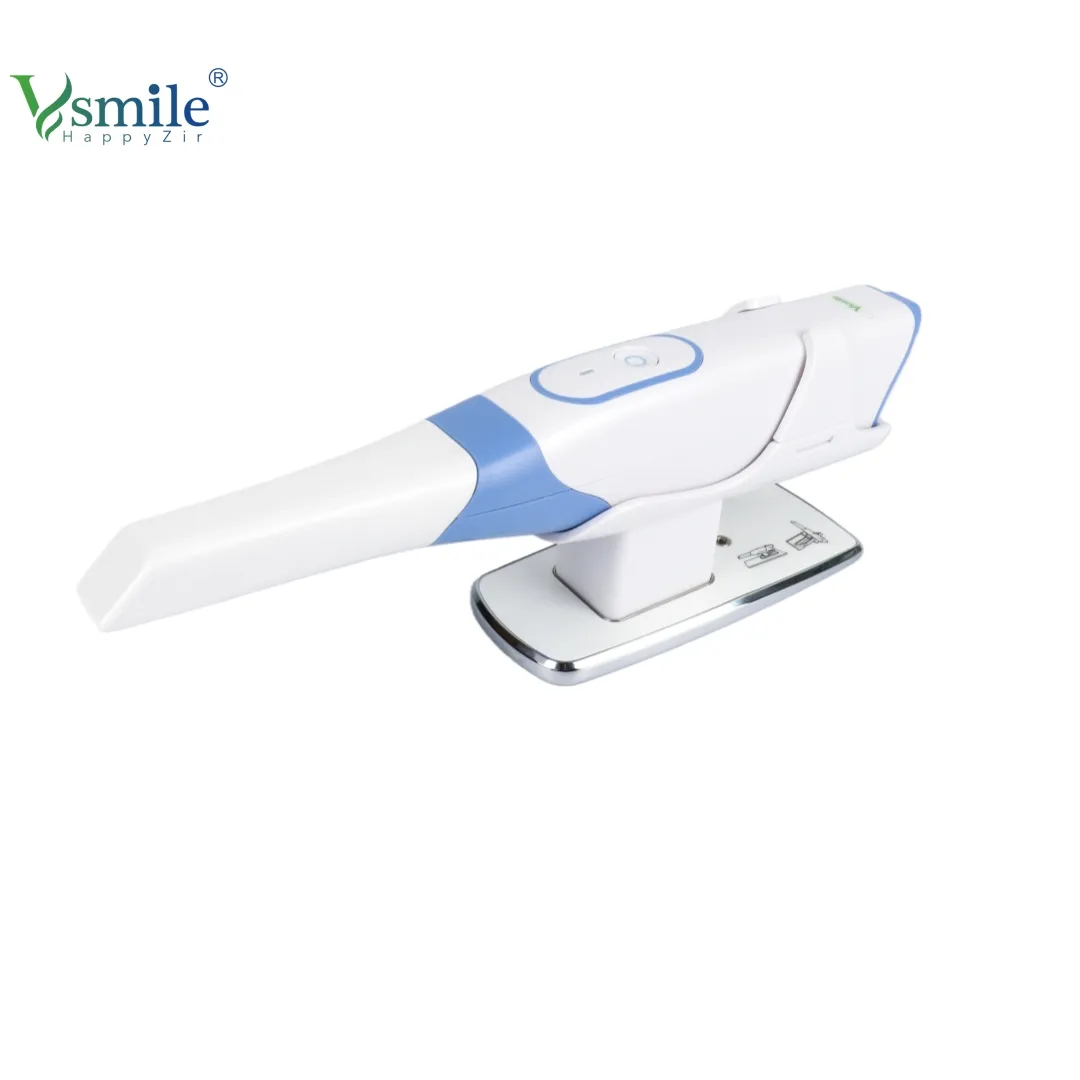
Labs that digitize impressions or models should include scanning in the same conversation as printing. A dental laboratory desktop scanner can support a cleaner workflow when model accuracy and file quality affect downstream printing.
A single printer can become the lab bottleneck. The next step for growing labs is often not one bigger machine, but several printers assigned by workflow: one for guides, one for splints, one for models, and one for overflow or rush work.
This approach gives the lab more resilience. Cleaning, resin changeover, calibration, or maintenance on one unit does not stop every case in the queue. The tradeoff is management: resin logs, calibration records, operator habits, and post-processing capacity must keep up.
Dental 3D printing quality can gradually decline when operators use inconsistent procedures. One technician changes orientation, another shortens washing, and another skips a calibration check because the queue is full. The printer may be capable, but the workflow becomes unstable.
That is why training resources and after-sales support belong in the buying discussion. The future is not only better machines. It is better habits around those machines.
Labs will increasingly evaluate whether printers, scanners, CAD software, CAM systems, and materials can communicate smoothly. An open workflow reduces dependence on a single technology path and allows labs to scale gradually.
A useful future plan starts with a plain production audit. Count the parts printed each day, the resin families in use, the remakes, the rush cases, the cleaning time, the curing capacity, and the operators who touch the workflow. The answers will tell the lab where technology can help and where process discipline is missing.
For labs building a broader digital platform, Vsmile can support the conversation across printers, resins, scanners, post-processing, training, and service. The buyer should still bring the hard details: case mix, turnaround targets, current bottlenecks, and acceptance standards.
Share your case mix, printer needs, resin applications, post-processing setup, and current production bottlenecks so the equipment plan can be matched to real lab work.
The biggest trend is workflow integration. Labs are no longer judging printers alone. They are matching printers, resins, scanning, curing, training, and inspection into one production process.
Neither technology is expected to completely replace the other. Dental labs will continue selecting DLP or LCD based on application requirements, production volume, resin compatibility, and workflow goals.
As applications become more specific, the resin must match the part. Surgical guides, splints, models, dentures, and temporary restorations each need different handling, curing, and performance checks.
Start by auditing case mix, remake causes, resin use, operator training, curing capacity, and file quality. Then choose equipment around the bottleneck the lab actually needs to remove.
Dental 3D printing is becoming less about owning a printer and more about running a controlled digital production line. The labs that benefit most will be the ones that match DLP, LCD, resins, scanning, curing, and training to the cases they produce every day.

Vsmile is pleased to announce its participation in the 3rd Algerian Dental Expo (ADEX 2026), taking place from November 11 to 14, 2026, at the Palais des Expositions (SAFEX) in Algiers, Algeria.
At this year's exhibition, Vsmile will join its local distribution partner, WHITE TRADER, at Pavillon A. Together, the teams will connect with dental professionals and showcase dental materials, CAD/CAM solutions and practical applications for modern dental laboratory workflows.

This bundle combines the powerful VSF300 fast sintering furnace with 4 pcs of 3D Prism multilayer zirconia blocks, delivering speed, capacity, and consistent esthetics in one package.

Passive fit failure is rarely caused by a single factor. Instead, it is the result of error stacking across the entire digital and manufacturing workflow.

Fracture and microcracks are among the most critical failure modes in All-on-X (AOX) zirconia restorations.

Whether you're crafting A1 or D4, FreeTone White Zirconia Disc gives you total shade control with just one SKU — streamlining inventory and increasing productivity.

Voices from Vsmile Global Partners — Stories of Trust, Growth, and Smiles We Create Together.

Long-span and full-arch restorations represent some of the most complex and failure-prone procedures in digital dentistry. Challenges include connector fractures, marginal misfits, sintering deformation, and low clinical longevity. Labs and clinics face a high rate of remakes, increased cost, and pressure to maintain quality under tight delivery deadlines.
2025.5.22

Vsmile offers a complete, validated digital workflow — from scanning to final zirconia bridge — that helps labs and clinics deliver life-changing smiles faster, with greater confidence and repeatable quality.


Tel: +86-731-85682958
Fax: +86-731-85682958
WhatsApp: +8615084896166/+8618569525651
Email: [email protected]
Address:
Room 1202-1203, Building A4,Huanchuang Corporate Park,No.2450, Yuelu West Avenue, Changsha Hi-tech Development District, Changsha, China.



















































 EN
 fr
 ru
 nl
 uk
 fil
 lo
 ko
 it
 es
 el
 pt
 de
 th
 be
 sq
 tr
 ar
 vi
 pl