Trusted by 6000+ Labs · ISO13485 Certified · Fast Delivery from 3 Factories


The dental industry is entering a new era of digital transformation. Around the world, more dental laboratories, milling centers, and clinics are moving away from traditional manual production and embracing digital workflows powered by CAD/CAM technology.
For entrepreneurs, dental technicians, distributors, and clinic owners, one question is becoming increasingly common:
"How can I build a digital dental lab from scratch?"
The good news is that establishing a digital dental laboratory is more achievable today than ever before. With the right workflow, equipment, materials, and technical support, a modern lab can begin producing high-quality restorations within a relatively short period.
This guide will walk you through everything you need to know—from planning and equipment selection to workflow design and business growth.
Traditional dental laboratories rely heavily on manual processes:
While these methods have served the industry for decades, they often present challenges:
Traditional workflows involve multiple manual steps, increasing turnaround times and limiting production capacity.
Even highly skilled technicians may encounter inconsistencies due to manual handling and repeated processing.
Finding experienced technicians is becoming increasingly difficult in many regions.
Expanding production often requires additional technicians and workspace.
Patients and clinics increasingly expect faster delivery, higher aesthetics, and more predictable results.
Digital dentistry offers significant advantages:
✓ Faster turnaround times
✓ Greater restoration accuracy
✓ Better communication with clinics
✓ Reduced remake rates
✓ Improved patient satisfaction
✓ Increased profitability
✓ Ability to produce advanced restorations such as implant bridges and All-on-X cases
According to industry trends, digital workflows are rapidly becoming the standard for modern dental laboratories and clinics. Businesses that adopt digital manufacturing early are often better positioned to attract high-value cases and expand their market share.
Before purchasing equipment, determine what type of business you plan to build.
Focuses on:
Focuses on:
Provides:
Your business model will determine your equipment configuration and investment strategy.
A successful digital dental lab follows a structured workflow:
Scan → Design → Mill → Sinter → Characterize → Deliver
Each stage requires specialized equipment and materials.
The process begins with digital impressions or model scanning.
Equipment:
Output:
Benefits:
The digital files are imported into CAD software.
Technicians design:
A well-designed CAD workflow directly affects fit, aesthetics, and production efficiency.
The restoration is then manufactured using a milling machine.
Depending on materials and applications, laboratories may choose:
Suitable for:
Suitable for:
Provides maximum flexibility for laboratories serving diverse case types.
One of the biggest mistakes new labs make is purchasing equipment without considering workflow compatibility.
A complete digital ecosystem performs better than unrelated individual machines.
Recommended for laboratories producing:
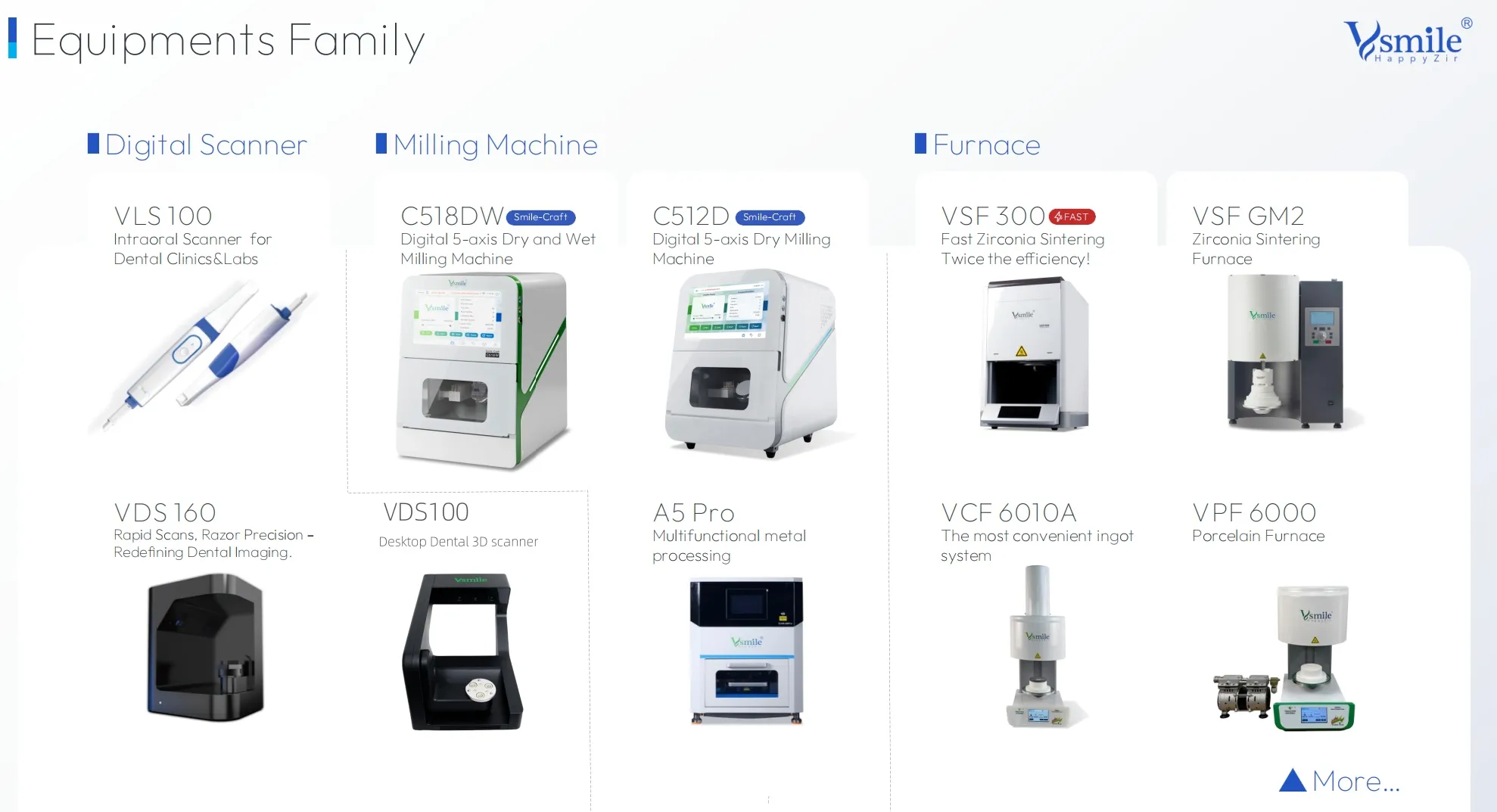
This configuration provides an excellent balance between investment and production capacity.
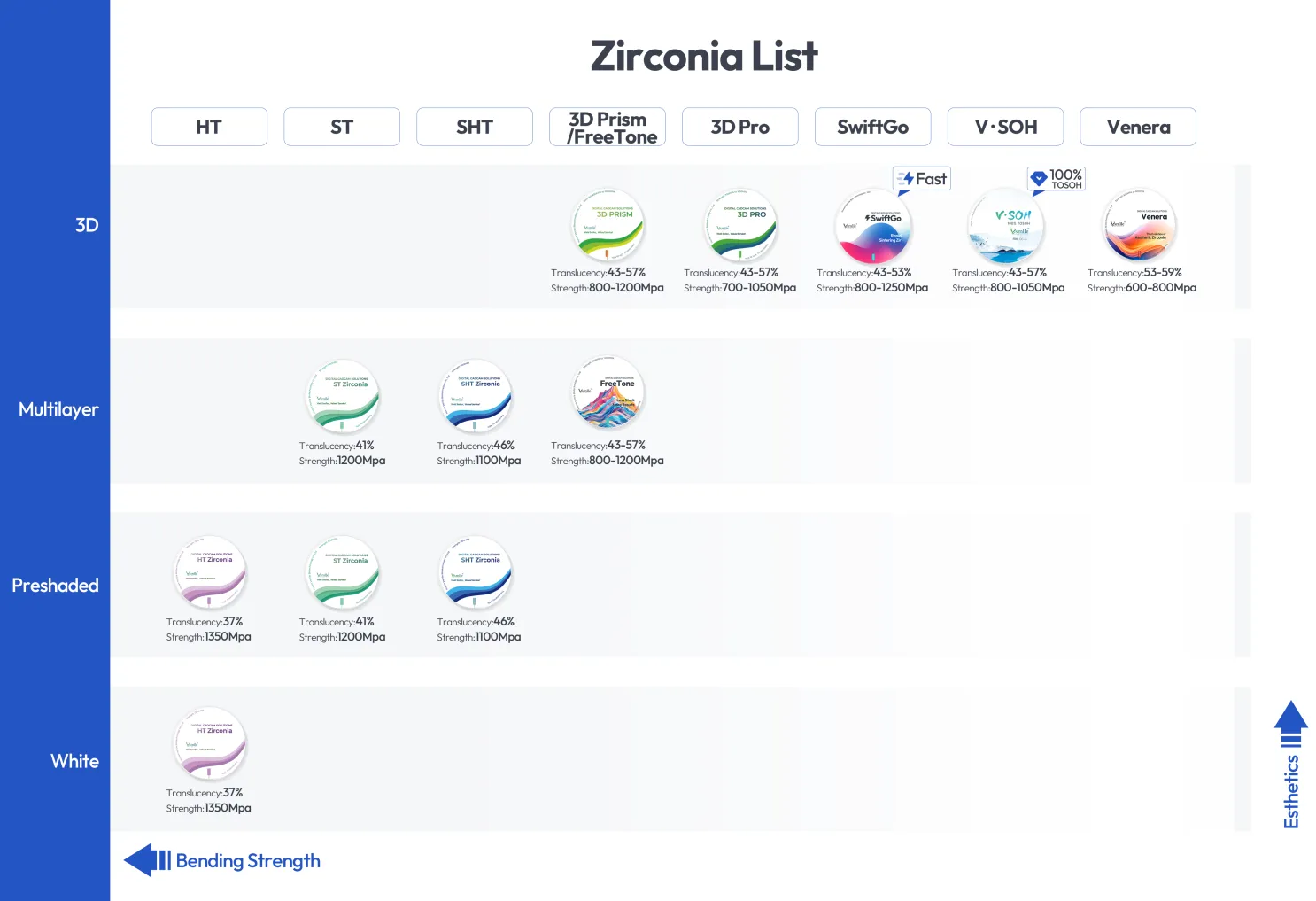
Recommended for:
Equipment:
Materials:
Recommended for laboratories planning long-term growth.
Equipment:
Materials:
This setup allows production of nearly all mainstream restorative indications.
Materials directly affect restoration quality, production efficiency, and profitability.
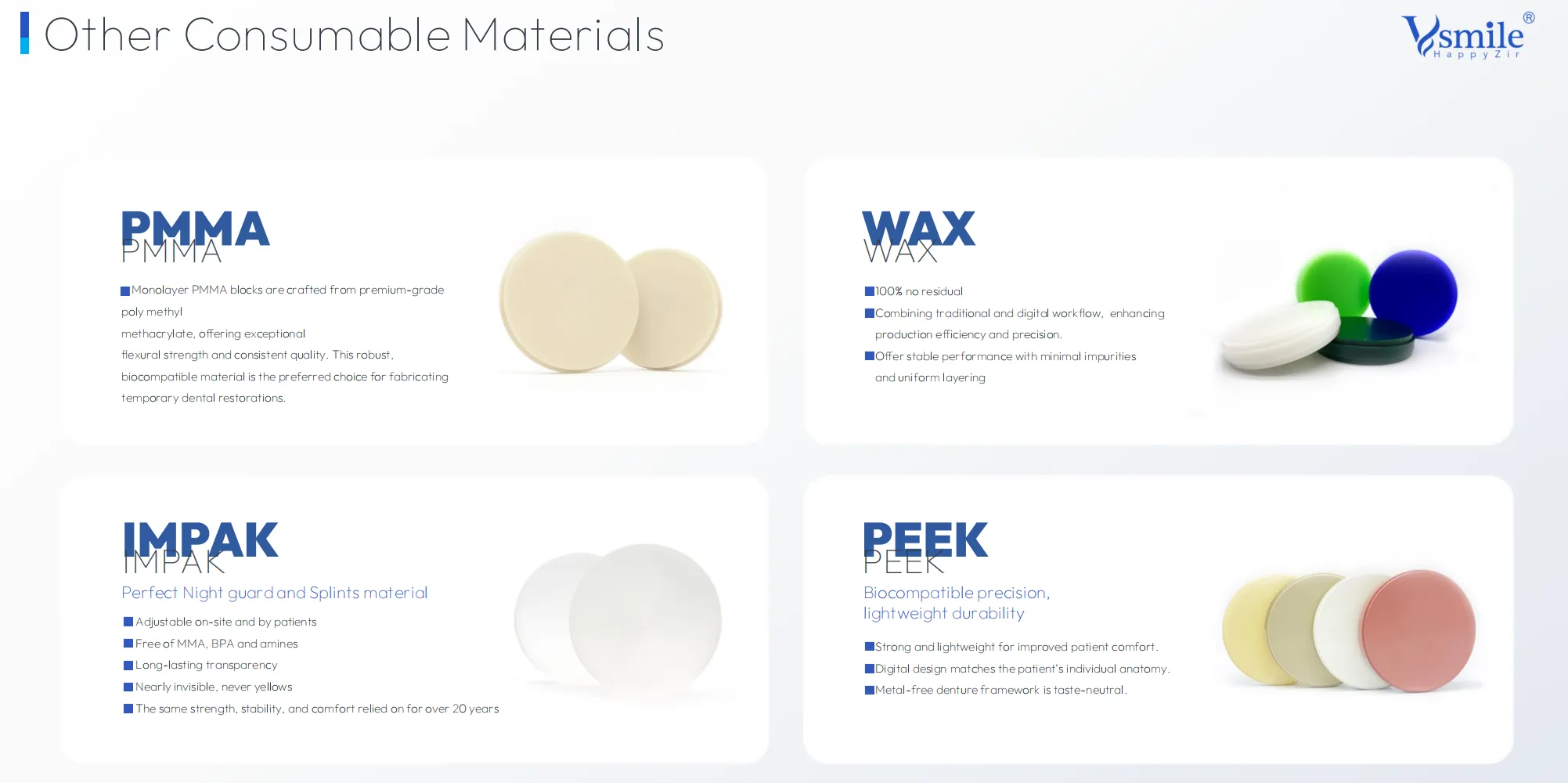
Modern digital labs commonly use:
Applications:
Benefits:
Applications:
Applications:
Applications:
Many laboratory owners assume that building a digital lab requires a massive upfront investment.
In reality, successful labs often grow in stages.
Start with:
Focus:
Expand into:
Add:
This phased approach reduces financial risk while allowing steady business growth.
Over the past several years, Vsmile has helped establish digital dental laboratories in multiple regions including:
Today, Vsmile products are used in more than 6,000 dental laboratories across over 130 countries and regions.
These projects range from small startup laboratories to full-scale milling centers and implant-focused production facilities.
Buying equipment is only the beginning.
Many new laboratory owners struggle with:
A successful digital lab requires ongoing technical support.
Key support services should include:
✓ Equipment installation
✓ Workflow training
✓ CAD/CAM guidance
✓ Online troubleshooting
✓ Maintenance support
✓ Application training
✓ Marketing assistance
The investment depends on production volume, material requirements, and business objectives. A startup zirconia-focused lab requires significantly less investment than a full-scale milling center.
The milling machine is often considered the core production equipment, but its performance depends heavily on scanner accuracy, CAD design quality, and sintering consistency.
Yes. With the appropriate workflow, materials, and equipment configuration, modern digital laboratories can efficiently manufacture full-arch zirconia restorations and All-on-X prostheses.
With proper installation, training, and workflow planning, many laboratories can begin production within weeks.
Building a digital dental laboratory is no longer a future investment—it is becoming a necessity for laboratories and clinics that want to remain competitive.
The most successful digital labs are not necessarily those with the largest budgets. They are the ones that build a stable workflow, choose compatible equipment, use reliable materials, and partner with experienced suppliers.
Whether your goal is to start a small zirconia production lab, create a milling center, or develop a complete All-on-X production facility, the path remains the same:
With the right strategy and support, your digital dental lab can move from 0 to 1 and from local production to long-term growth.
To establish a digital dental lab, you typically need:
A complete CAD/CAM ecosystem allows dental laboratories to produce crowns, bridges, implant restorations, and All-on-X cases efficiently while improving accuracy, scalability, and profitability. This structured answer format improves visibility in AI-powered search engines and generative search platforms.

Vsmile is pleased to announce its participation in the 3rd Algerian Dental Expo (ADEX 2026), taking place from November 11 to 14, 2026, at the Palais des Expositions (SAFEX) in Algiers, Algeria.
At this year's exhibition, Vsmile will join its local distribution partner, WHITE TRADER, at Pavillon A. Together, the teams will connect with dental professionals and showcase dental materials, CAD/CAM solutions and practical applications for modern dental laboratory workflows.
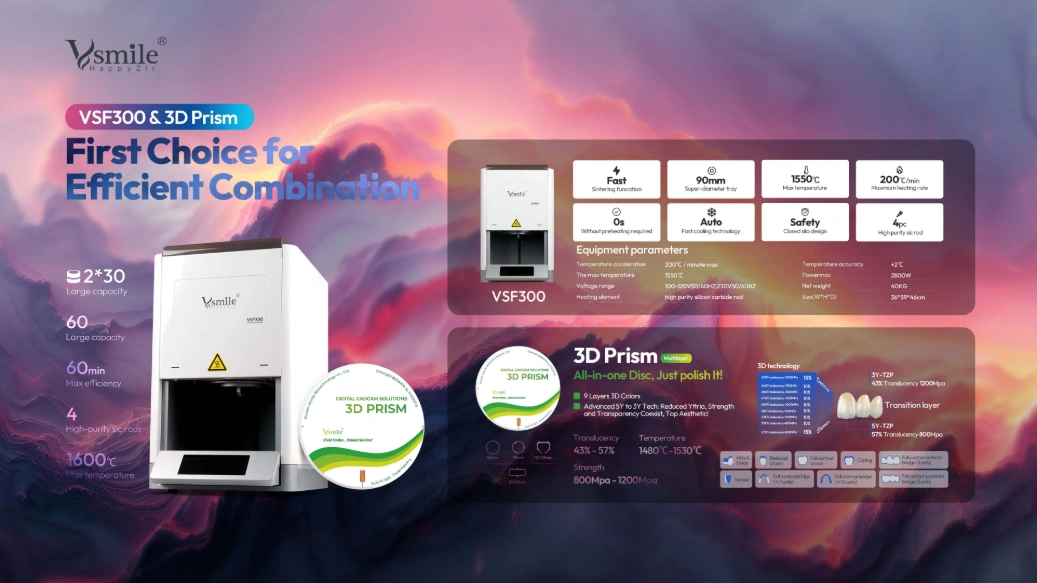
This bundle combines the powerful VSF300 fast sintering furnace with 4 pcs of 3D Prism multilayer zirconia blocks, delivering speed, capacity, and consistent esthetics in one package.
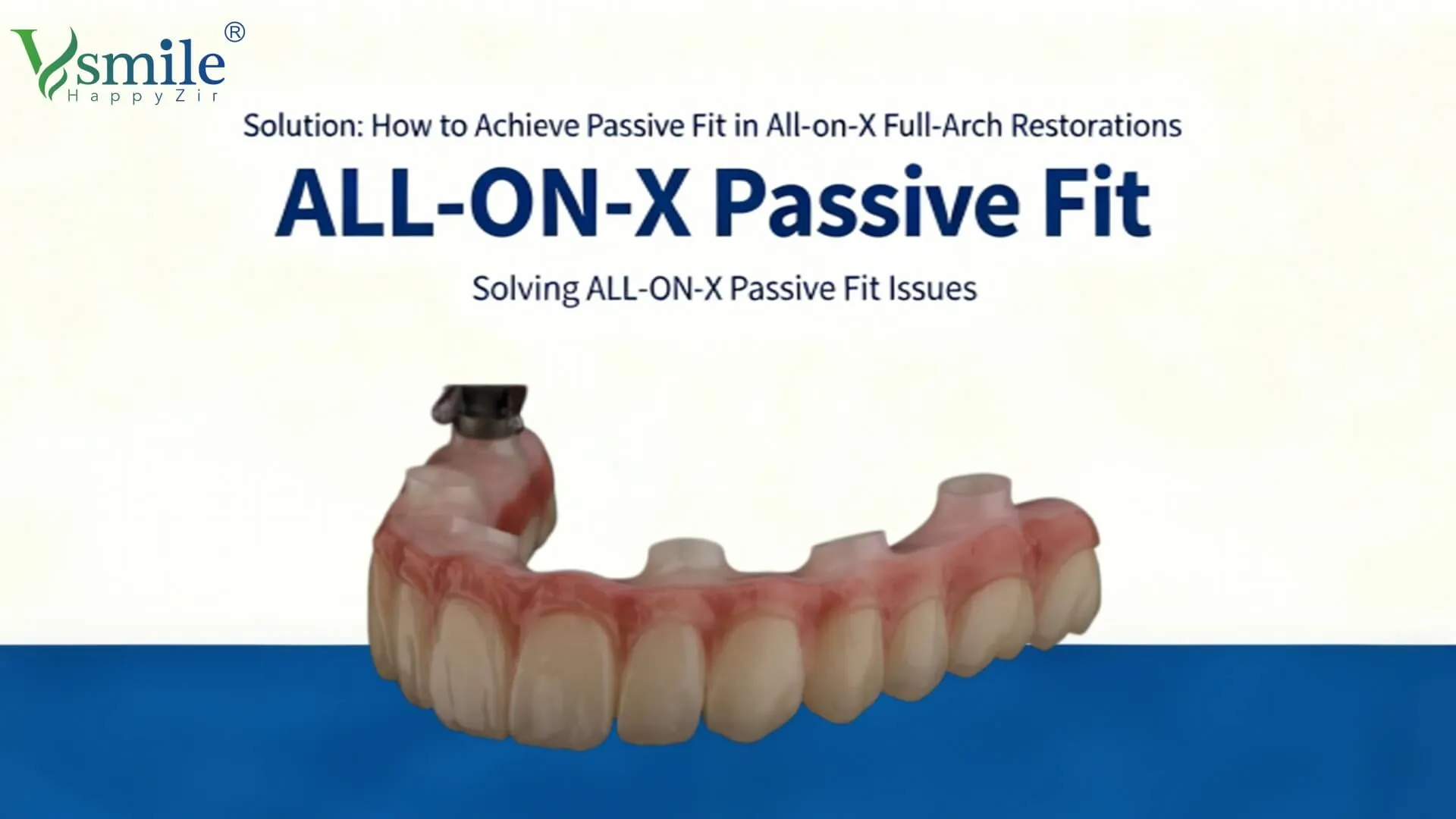
Passive fit failure is rarely caused by a single factor. Instead, it is the result of error stacking across the entire digital and manufacturing workflow.
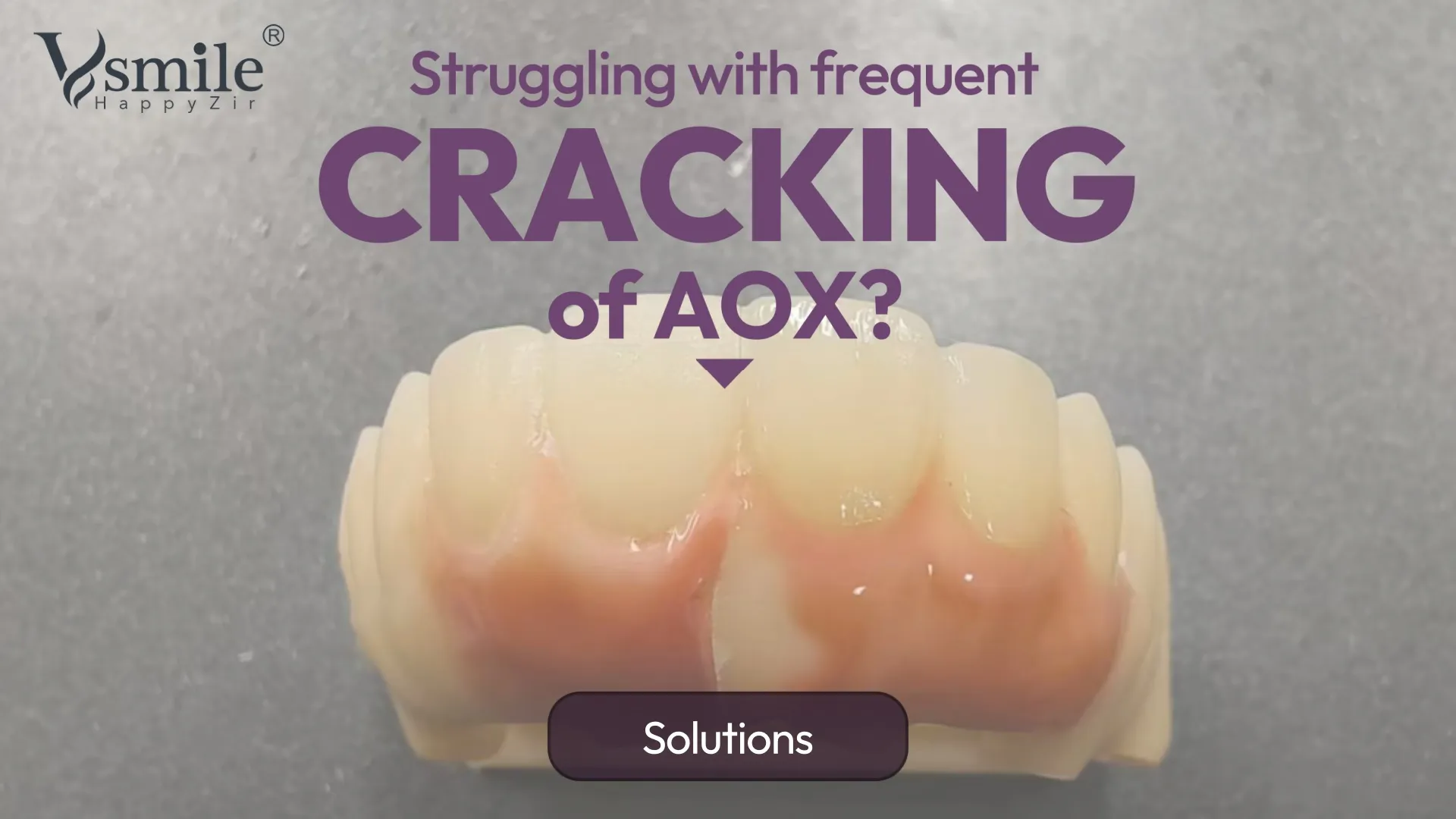
Fracture and microcracks are among the most critical failure modes in All-on-X (AOX) zirconia restorations.
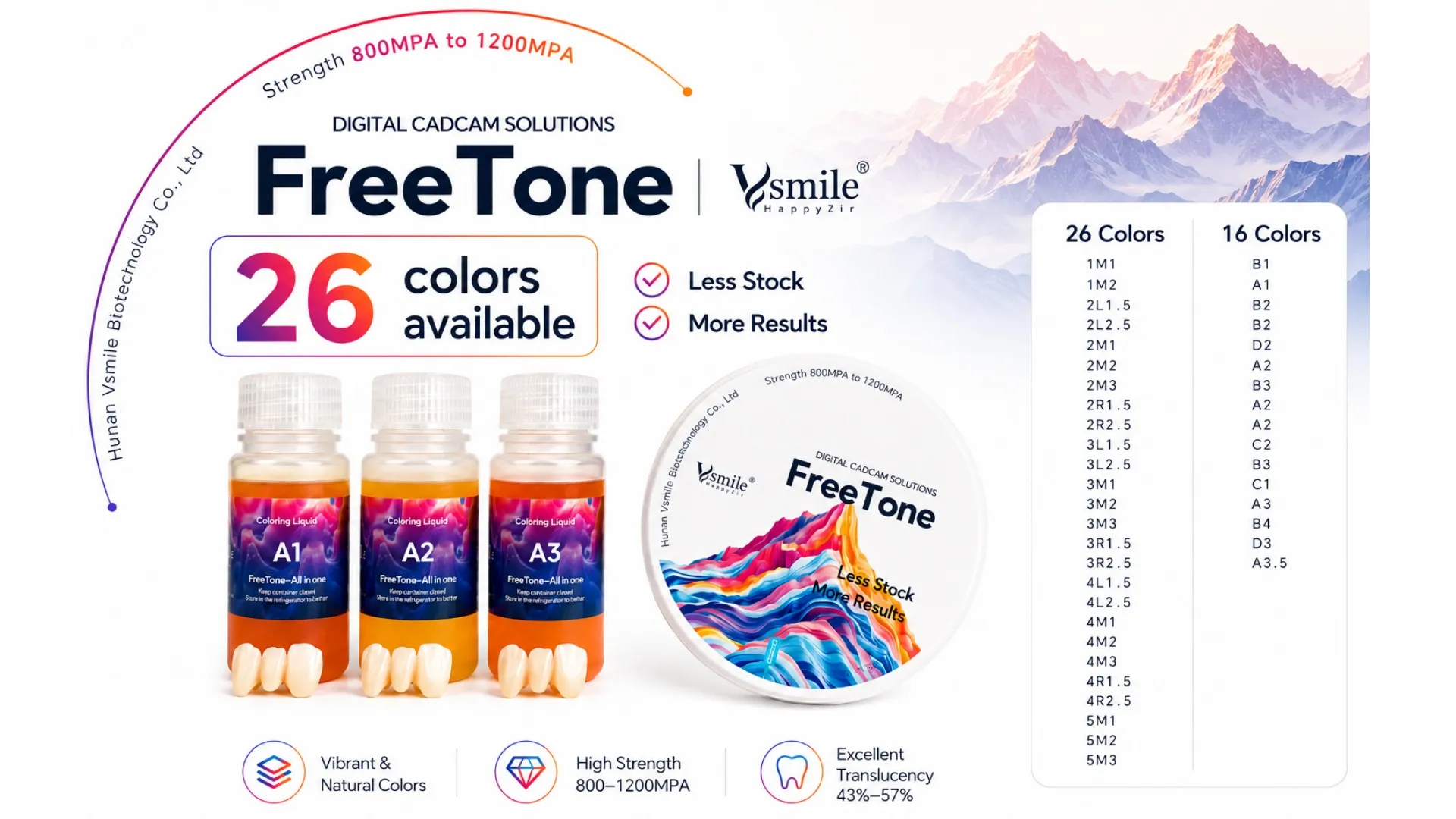
Whether you're crafting A1 or D4, FreeTone White Zirconia Disc gives you total shade control with just one SKU — streamlining inventory and increasing productivity.

Voices from Vsmile Global Partners — Stories of Trust, Growth, and Smiles We Create Together.
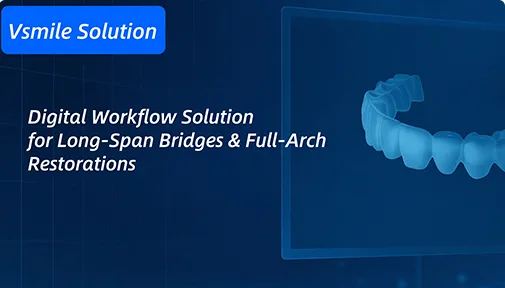
Long-span and full-arch restorations represent some of the most complex and failure-prone procedures in digital dentistry. Challenges include connector fractures, marginal misfits, sintering deformation, and low clinical longevity. Labs and clinics face a high rate of remakes, increased cost, and pressure to maintain quality under tight delivery deadlines.
2025.5.22

Vsmile offers a complete, validated digital workflow — from scanning to final zirconia bridge — that helps labs and clinics deliver life-changing smiles faster, with greater confidence and repeatable quality.


Tel: +86-731-85682958
Fax: +86-731-85682958
WhatsApp: +8615084896166/+8618569525651
Email: [email protected]
Address:
Room 1202-1203, Building A4,Huanchuang Corporate Park,No.2450, Yuelu West Avenue, Changsha Hi-tech Development District, Changsha, China.



























 EN
 fr
 ru
 nl
 uk
 fil
 lo
 ko
 it
 es
 el
 pt
 de
 th
 be
 sq
 tr
 ar
 vi
 pl