Trusted by 6000+ Labs · ISO13485 Certified · Fast Delivery from 3 Factories


When operating a dental zirconia sintering furnace, the silicon carbide (SiC) rod is one of the most critical components. It determines how evenly and efficiently your furnace heats. However, many users are unsure how to maintain or replace these rods properly.
Here’s a complete guide to help you understand everything about SiC rods — based on the most common customer questions.
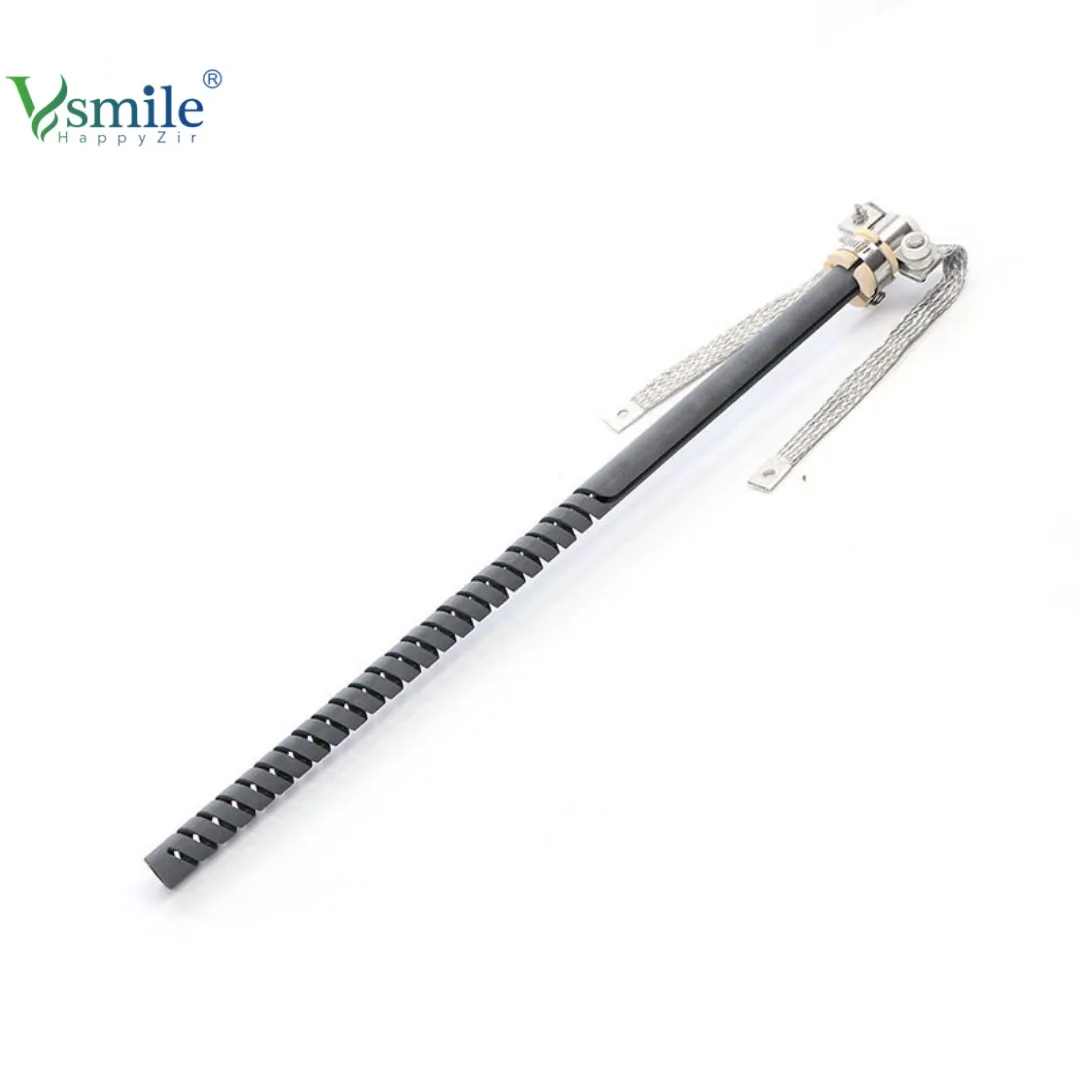
A silicon carbide rod, also called a SiC heating element, is designed to generate heat up to 1500°C.
Compared with molybdenum disilicide (MoSi₂) rods, SiC rods have a lower temperature range but higher mechanical strength and are less prone to breakage — making them ideal for daily zirconia sintering tasks.
It’s normal for SiC rods to turn white during use.
The white layer is caused by oxidation on the surface, a natural reaction at high temperatures.
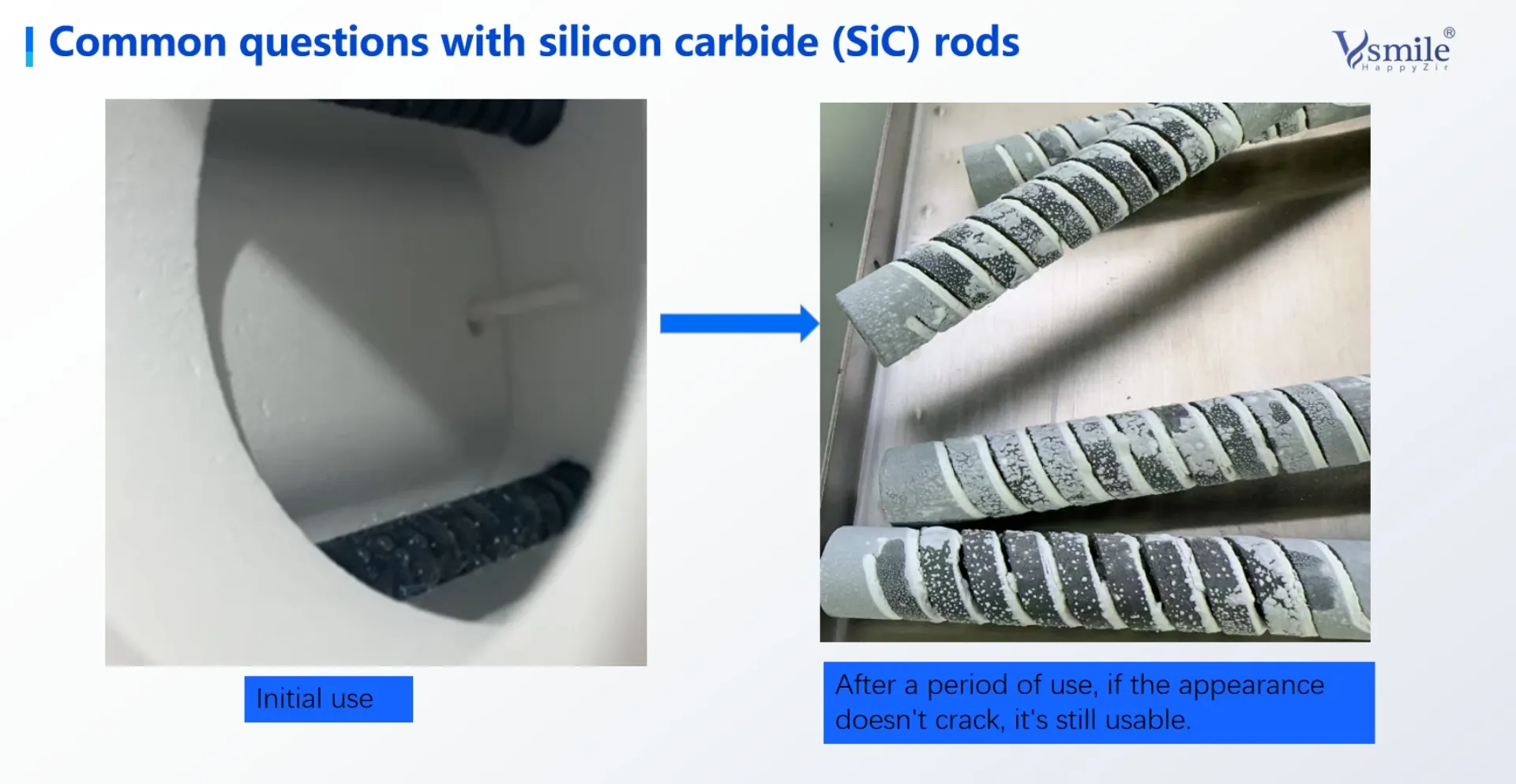
Each dental sintering furnace typically uses 4–5 SiC rods at once, and these should always be replaced as a complete set, not individually. Mixing new and old rods or different brands in one furnace can cause uneven heating, unstable power, or even damage to the furnace.
You should consider replacing the silicon carbide rods when you observe any of the following signs:
Severe surface oxidation or discoloration — for example, if the rods turn purple, dark brown, or black, or show visible cracks.
Increased electrical resistance — when the rods’ resistance rises significantly, causing insufficient power or slower heating rates.
Insufficient power or slow temperature rise — if the furnace takes longer to reach the set temperature or requires higher voltage to maintain normal operation.
Reduced brightness — when the rods glow noticeably dimmer than before, indicating a decline in heating efficiency.
✅ Rule: Always replace all rods at the same time and ensure current ratings are identical.
To supply the correct replacement rods, the following details are required:
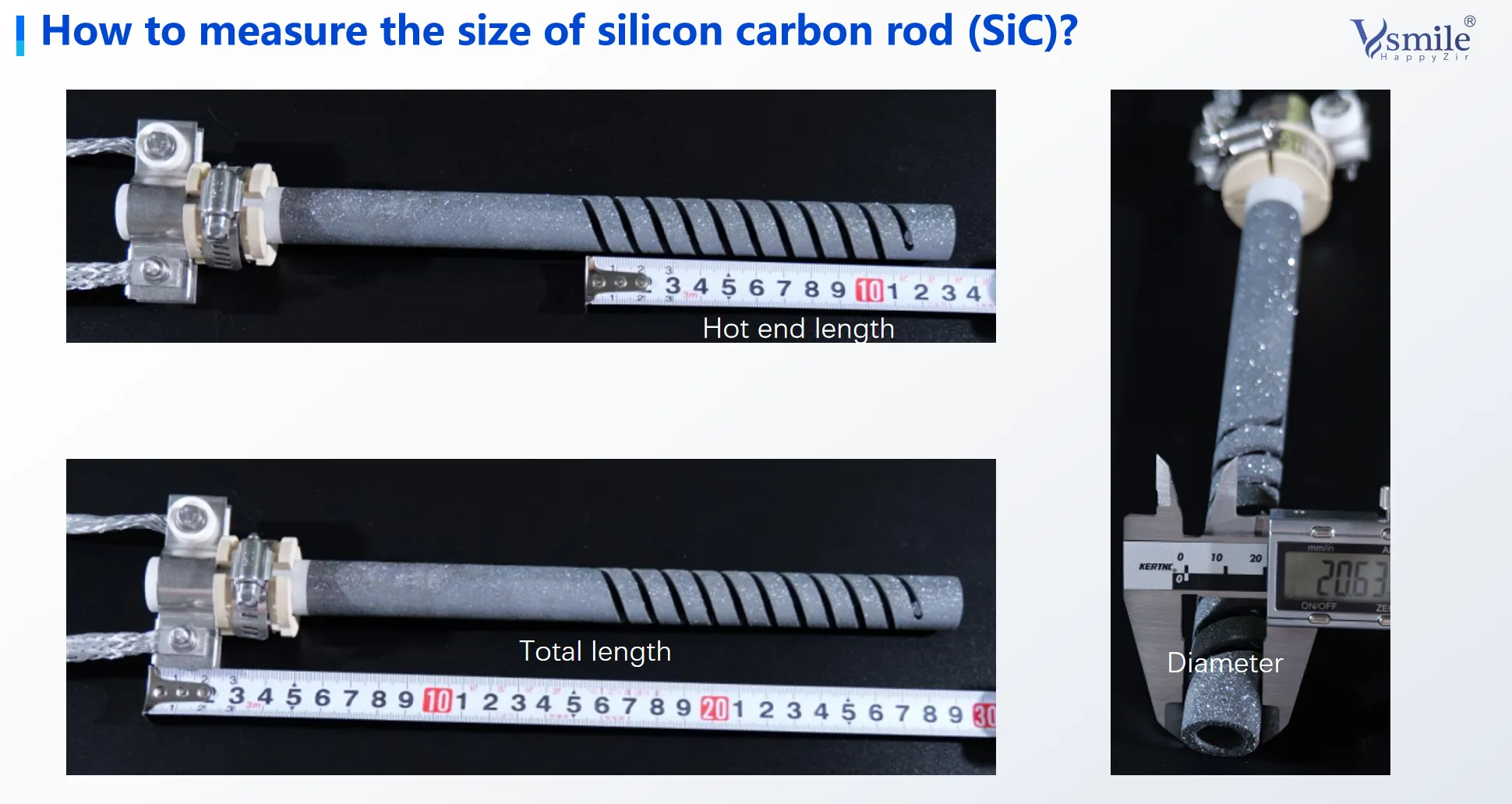
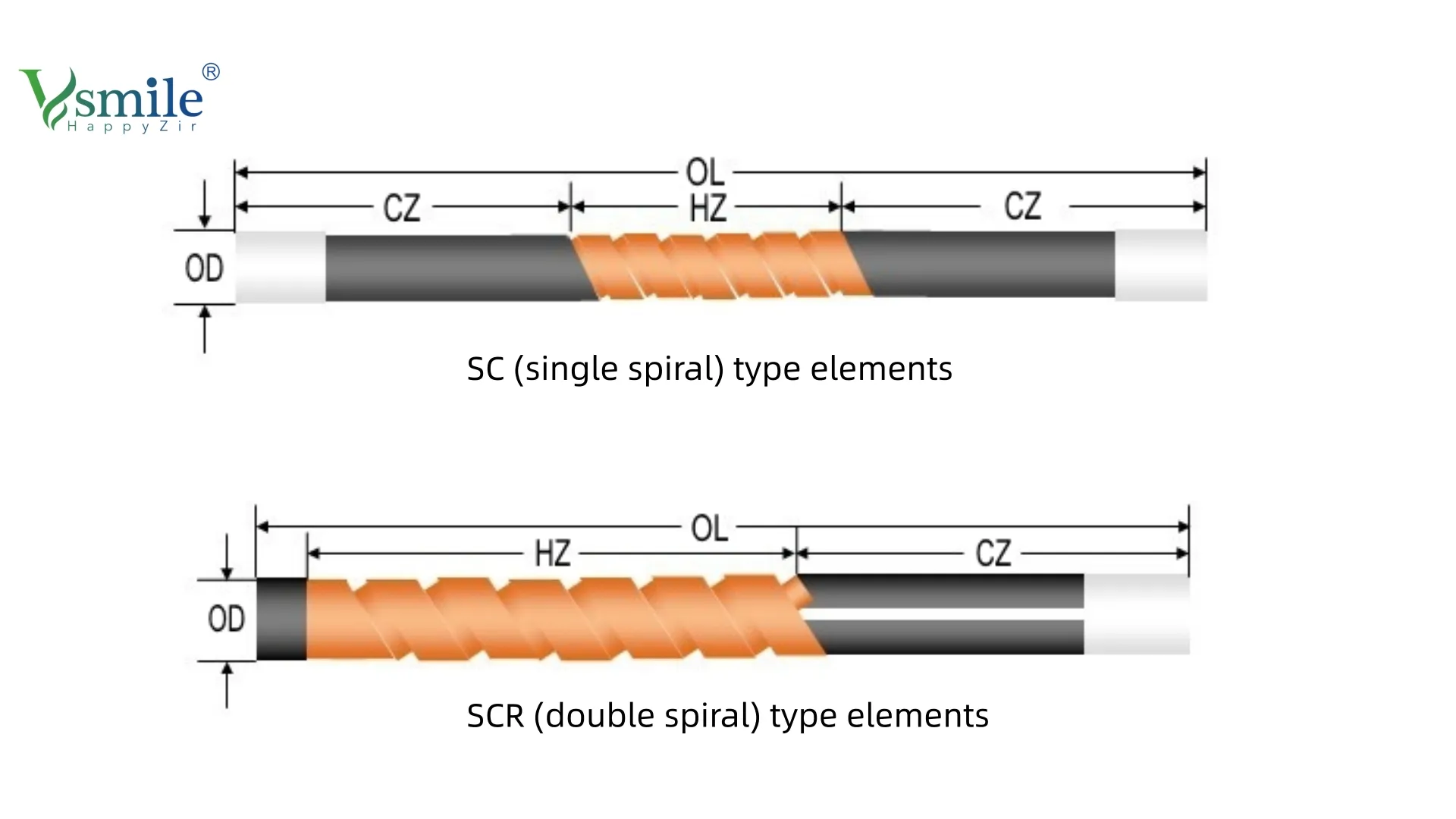
Rod dimensions: Length, diameter, and spiral type (single or double).
You can measure directly or send a clear photo of the old rods.
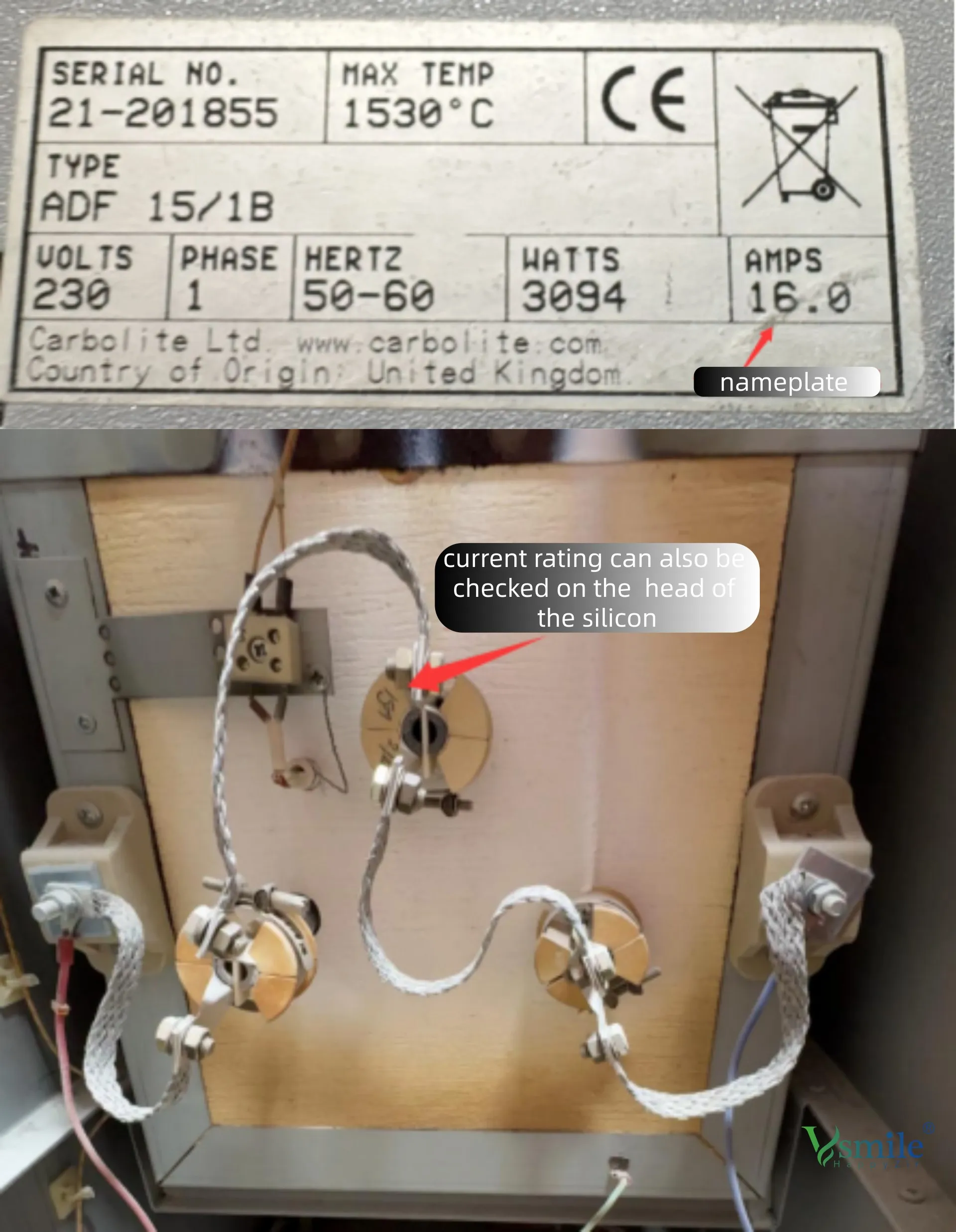
Electric current (amps):
The current rating can be checked on the furnace nameplate or on the head of the silicon
2. Head connection type:
Vsmile standard uses a braided wire connection, if your furance request aother types, please check if there is available.
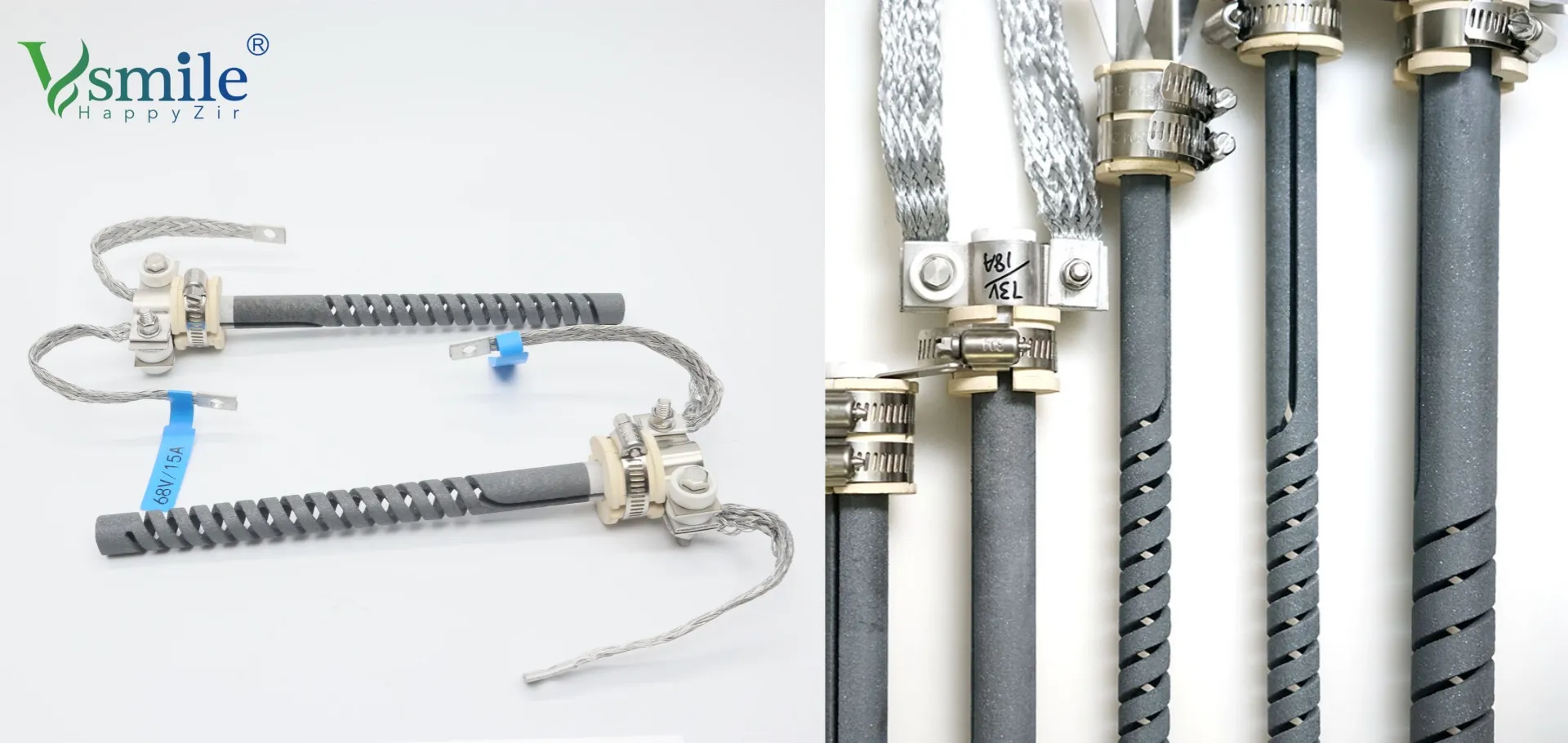
SiC rods come in different forms to fit various furnace structures:
Single spiral type — for compact furnaces or smaller heating zones.
Double spiral type — for higher power and more uniform temperature distribution.
Vsmile can customize the design according to your furnace model.
Small bubbles or white crystals may appear during the first few heating cycles — this is completely normal.
These are quartz crystal precipitations that occur when the SiC reacts at high temperature.
After several uses, the surface will stabilize and the bubbling will stop.
To ensure long service life and consistent sintering quality:
Confirm all rods have the same current rating and wear level.
Ensure correct wiring and tight connections.
Avoid mixing rods from different suppliers.
Replace as a full set, not individually.
| Common Question | Key Answer |
|---|---|
| How many rods per furnace? | Usually 4–5 pieces. |
| Can I change one rod only? | No — replace all at once. |
| What info do I need? | Size, current (A), head type. |
| What if bubbles appear? | Normal at early stage. |
Vsmile provides high-quality silicon carbide (SiC) rods and furnace spare parts suitable for most dental zirconia sintering furnaces.
Our technical team can help you confirm dimensions, current, and compatibility before ordering — ensuring your furnace performs safely and consistently.

Vsmile is pleased to announce its participation in the 3rd Algerian Dental Expo (ADEX 2026), taking place from November 11 to 14, 2026, at the Palais des Expositions (SAFEX) in Algiers, Algeria.
At this year's exhibition, Vsmile will join its local distribution partner, WHITE TRADER, at Pavillon A. Together, the teams will connect with dental professionals and showcase dental materials, CAD/CAM solutions and practical applications for modern dental laboratory workflows.
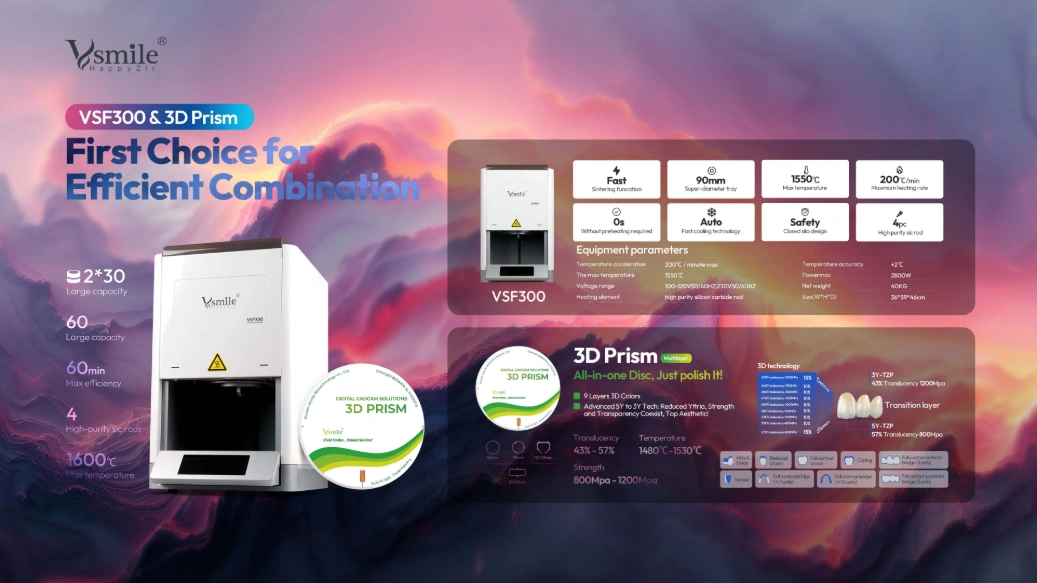
This bundle combines the powerful VSF300 fast sintering furnace with 4 pcs of 3D Prism multilayer zirconia blocks, delivering speed, capacity, and consistent esthetics in one package.
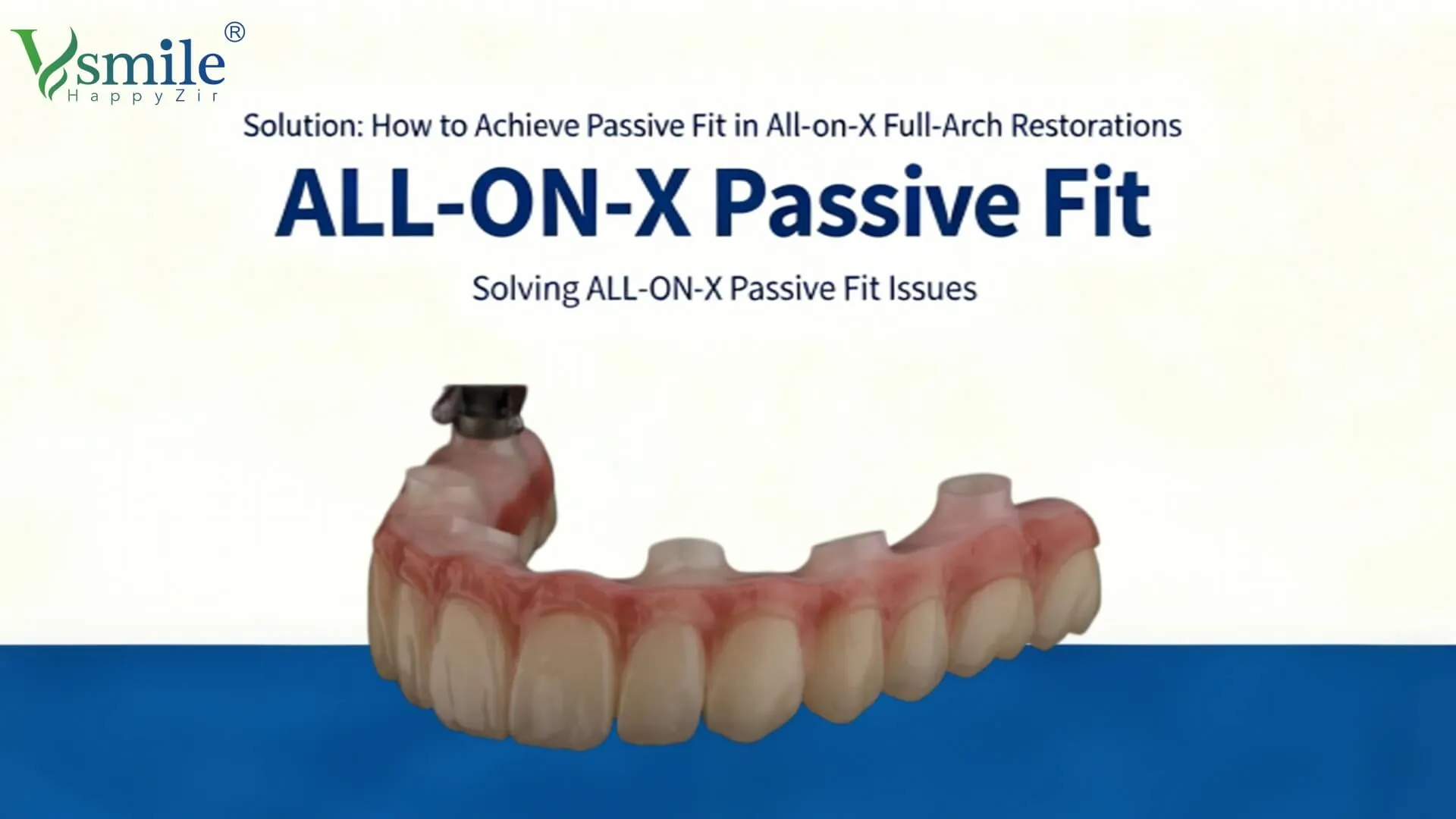
Passive fit failure is rarely caused by a single factor. Instead, it is the result of error stacking across the entire digital and manufacturing workflow.
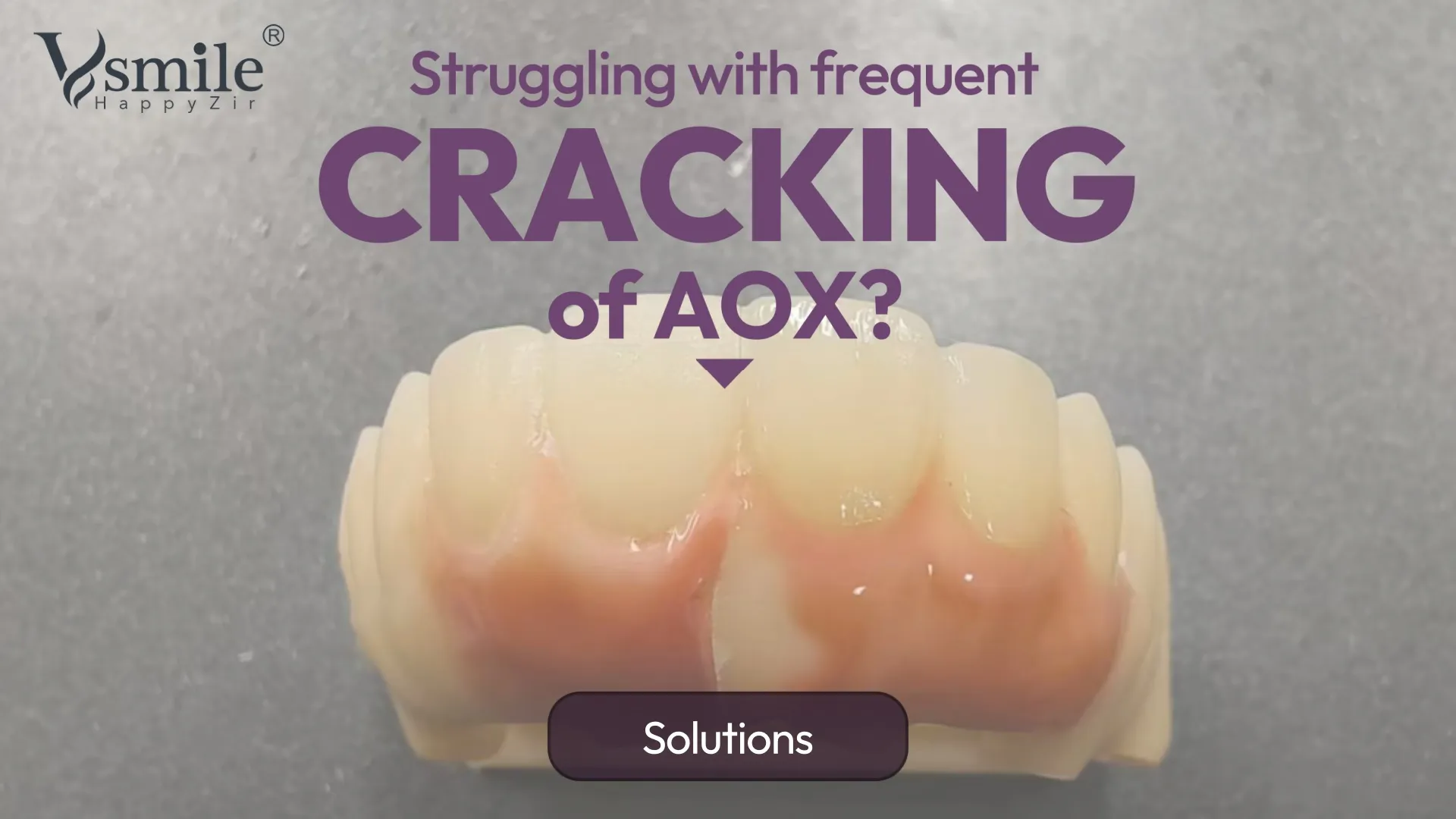
Fracture and microcracks are among the most critical failure modes in All-on-X (AOX) zirconia restorations.
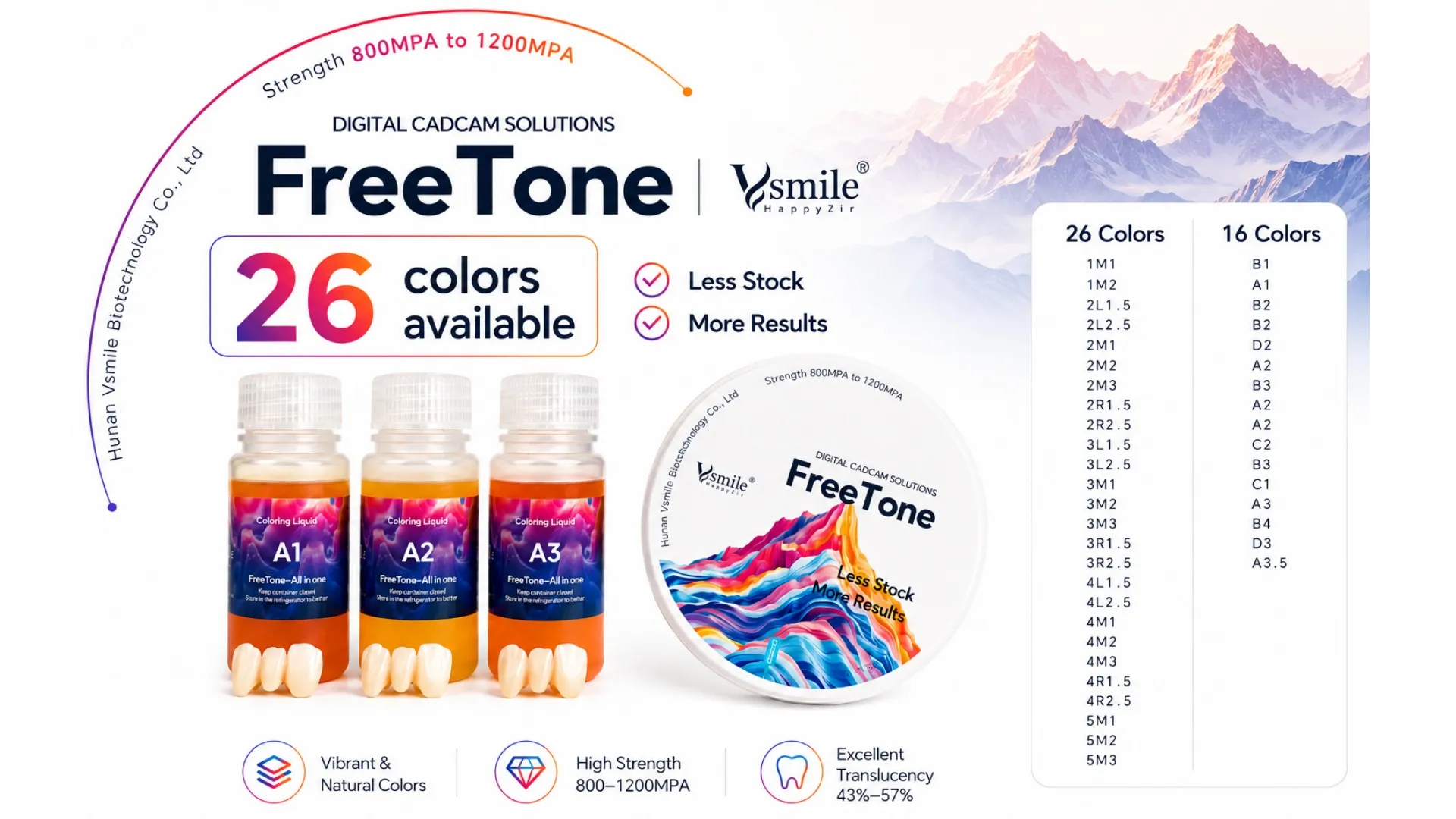
Whether you're crafting A1 or D4, FreeTone White Zirconia Disc gives you total shade control with just one SKU — streamlining inventory and increasing productivity.

Voices from Vsmile Global Partners — Stories of Trust, Growth, and Smiles We Create Together.
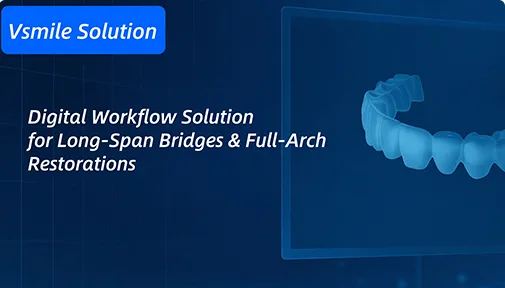
Long-span and full-arch restorations represent some of the most complex and failure-prone procedures in digital dentistry. Challenges include connector fractures, marginal misfits, sintering deformation, and low clinical longevity. Labs and clinics face a high rate of remakes, increased cost, and pressure to maintain quality under tight delivery deadlines.
2025.5.22

Vsmile offers a complete, validated digital workflow — from scanning to final zirconia bridge — that helps labs and clinics deliver life-changing smiles faster, with greater confidence and repeatable quality.


Tel: +86-731-85682958
Fax: +86-731-85682958
WhatsApp: +8615084896166/+8618569525651
Email: [email protected]
Address:
Room 1202-1203, Building A4,Huanchuang Corporate Park,No.2450, Yuelu West Avenue, Changsha Hi-tech Development District, Changsha, China.


























 EN
 fr
 ru
 nl
 uk
 fil
 lo
 ko
 it
 es
 el
 pt
 de
 th
 be
 sq
 tr
 ar
 vi
 pl