Trusted by 6000+ Labs · ISO13485 Certified · Fast Delivery from 3 Factories


For many dental laboratories in the United States, zirconia is no longer limited to posterior crowns or high-strength restorations. As cosmetic dentistry continues to grow, especially in veneer and anterior cases, labs are increasingly exploring how zirconia can deliver not only durability, but also a more natural visual result.
That shift has changed the conversation inside laboratories. Strength alone is rarely the deciding factor anymore. Technicians now spend more time discussing translucency behavior, shade transitions, surface texture, and how restorations appear under real clinical lighting rather than only under bench lighting.
In practice, aesthetic zirconia restorations are less about a single “perfect” material and more about how scanning, design, milling, staining, and sintering work together throughout the workflow.
Glass ceramics remain popular for highly aesthetic anterior restorations, but many labs have started incorporating newer multilayer zirconia materials into veneer workflows as well. Improvements in translucency and gradient shading have made zirconia more viable in cases where clinicians want a combination of aesthetics and structural reliability.
This becomes particularly relevant in situations involving:
Still, experienced technicians understand that zirconia veneers behave differently than traditional layered ceramics. The final appearance depends heavily on preparation design, cement shade, restoration thickness, and post-sintering finishing.
One of the challenges in aesthetic zirconia work is finding the right balance between translucency and masking ability. A material that is too opaque can appear flat, while excessive translucency may reveal underlying tooth discoloration or create an unnatural gray effect.
Because of this, many U.S. labs now prefer multilayer zirconia blocks designed specifically for aesthetic anterior restorations rather than using conventional high-strength zirconia for every indication.
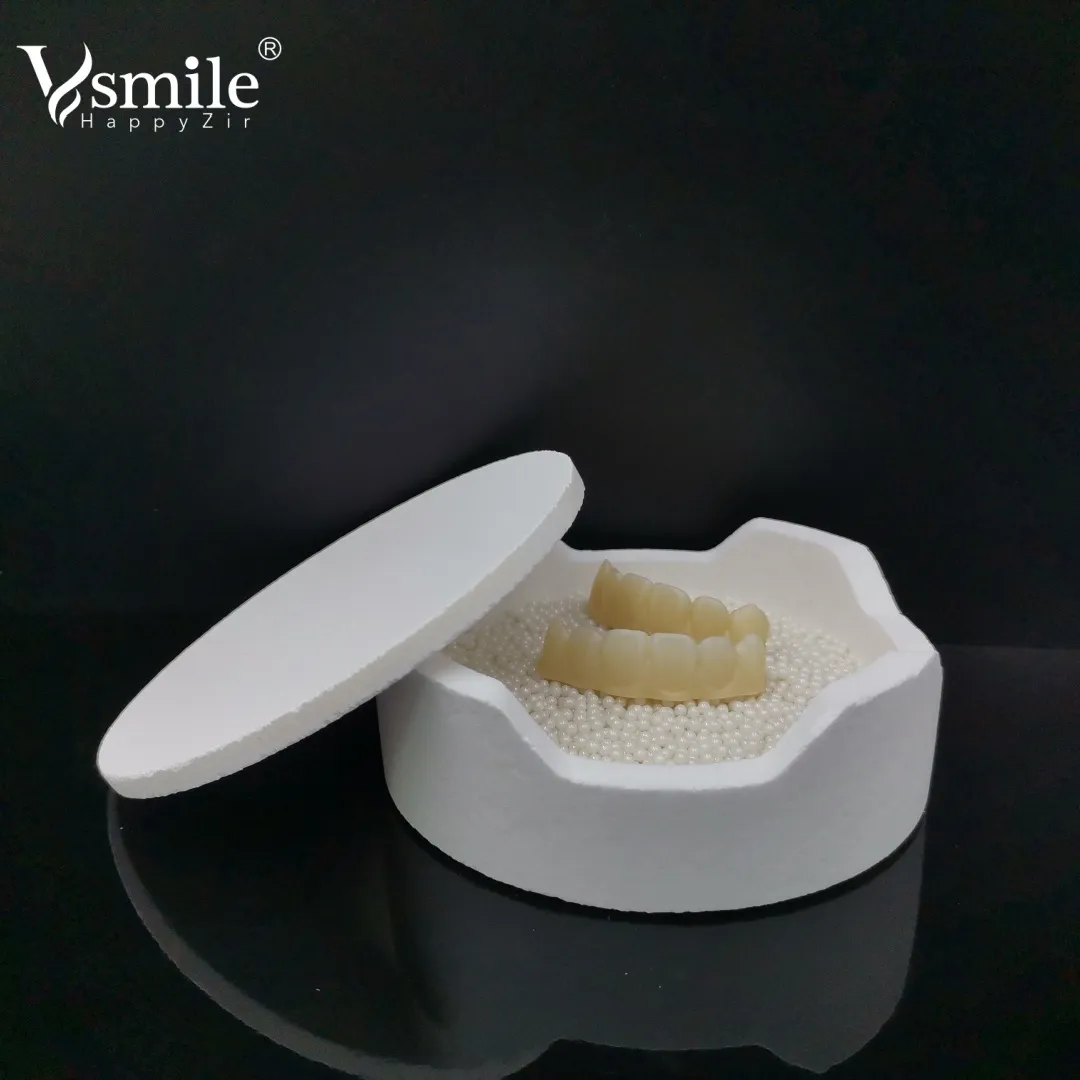
One example is the Vsmile Aesthetic Zirconia Block for Veneers, which was developed with anterior cosmetic restorations in mind. Its translucency range of approximately 53%–59% allows technicians to achieve a softer light transmission closer to natural enamel while still maintaining the structural advantages associated with zirconia.
Technicians working on veneer cases often note that materials in this translucency range can help create smoother shade transitions, especially in combination with minimal external staining and controlled glazing.
In aesthetic restorations, color selection receives significant attention, but surface morphology frequently has an even greater impact on how “natural” a restoration appears.
Many experienced technicians spend considerable time refining:
Even restorations with accurate shade matching can appear artificial if the surface finish is too uniform or overly polished.
This is particularly noticeable in veneers, where light interaction at shallow viewing angles becomes more visible during speech and facial movement.
Digital workflows have improved consistency for many U.S. laboratories, especially in anterior restorative cases where precision is critical.
High-quality intraoral scans allow technicians to better visualize:
At the same time, experienced labs recognize that aesthetic success still relies heavily on technician judgment. CAD software can standardize contours and thickness, but it cannot fully replace artistic interpretation regarding translucency, texture, or characterization.
Many labs therefore combine digital efficiency with manual finishing techniques to avoid restorations that appear overly symmetrical or “machine-made.”
One trend among high-end cosmetic labs in the United States is a move toward more restrained staining and characterization.
Rather than heavily saturating restorations with external color effects, technicians often focus on subtle variation:
Patients increasingly prefer restorations that blend naturally with facial features and adjacent dentition instead of appearing excessively bright or opaque.
This approach works particularly well with multilayer zirconia materials already designed with gradual shade transitions built into the block structure.
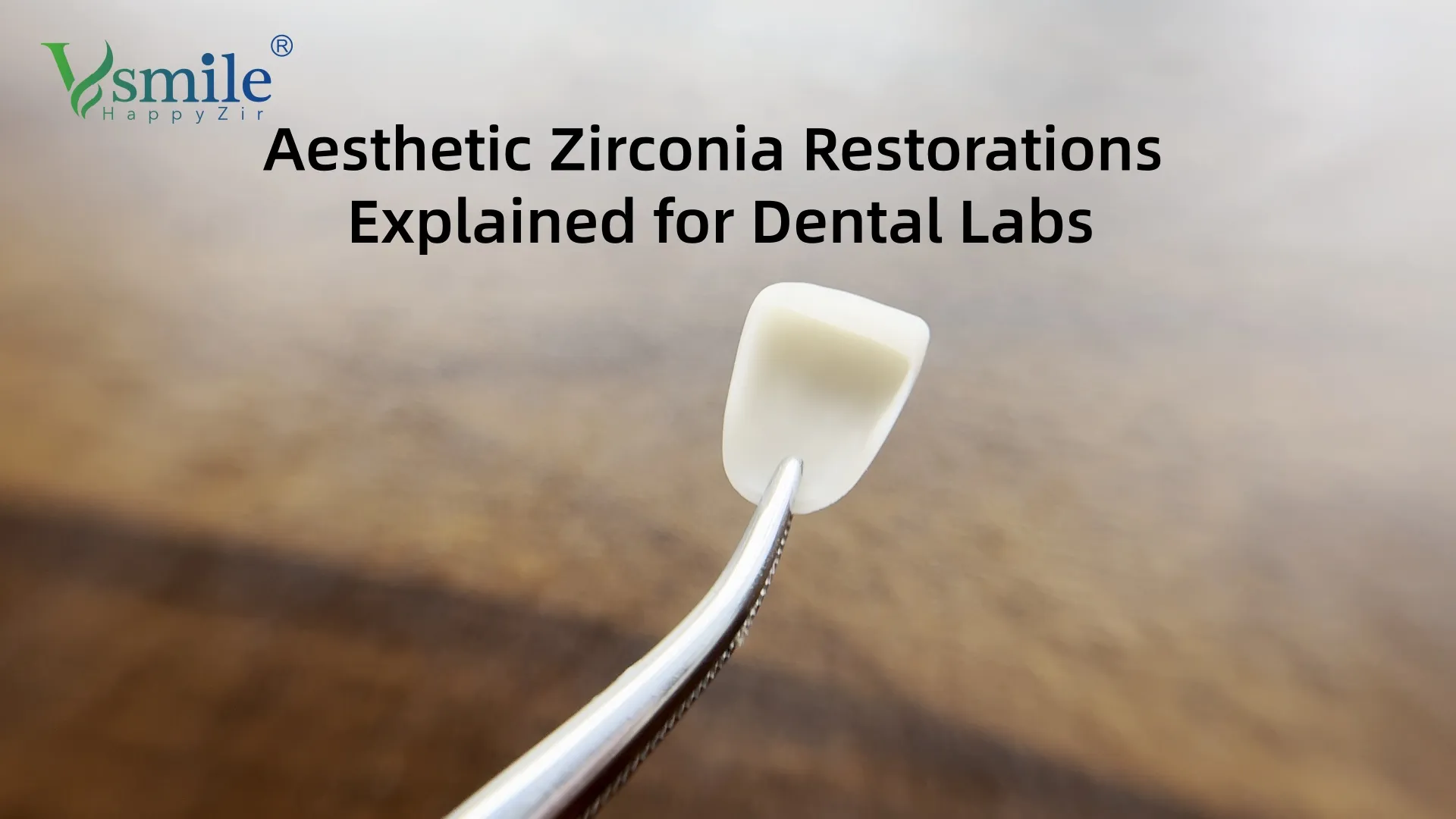
Aesthetic zirconia restorations continue to evolve as materials become more refined and digital workflows more precise. For U.S. dental laboratories, the focus is shifting away from simply achieving strength and toward creating restorations that behave naturally under everyday lighting and facial movement.
In veneer and anterior cases especially, success depends on understanding how translucency, thickness, texture, and finishing interact together—not just which material is selected.
Modern multilayer zirconia materials, particularly those designed specifically for cosmetic restorations, have expanded what labs can achieve aesthetically while maintaining the reliability zirconia is known for.
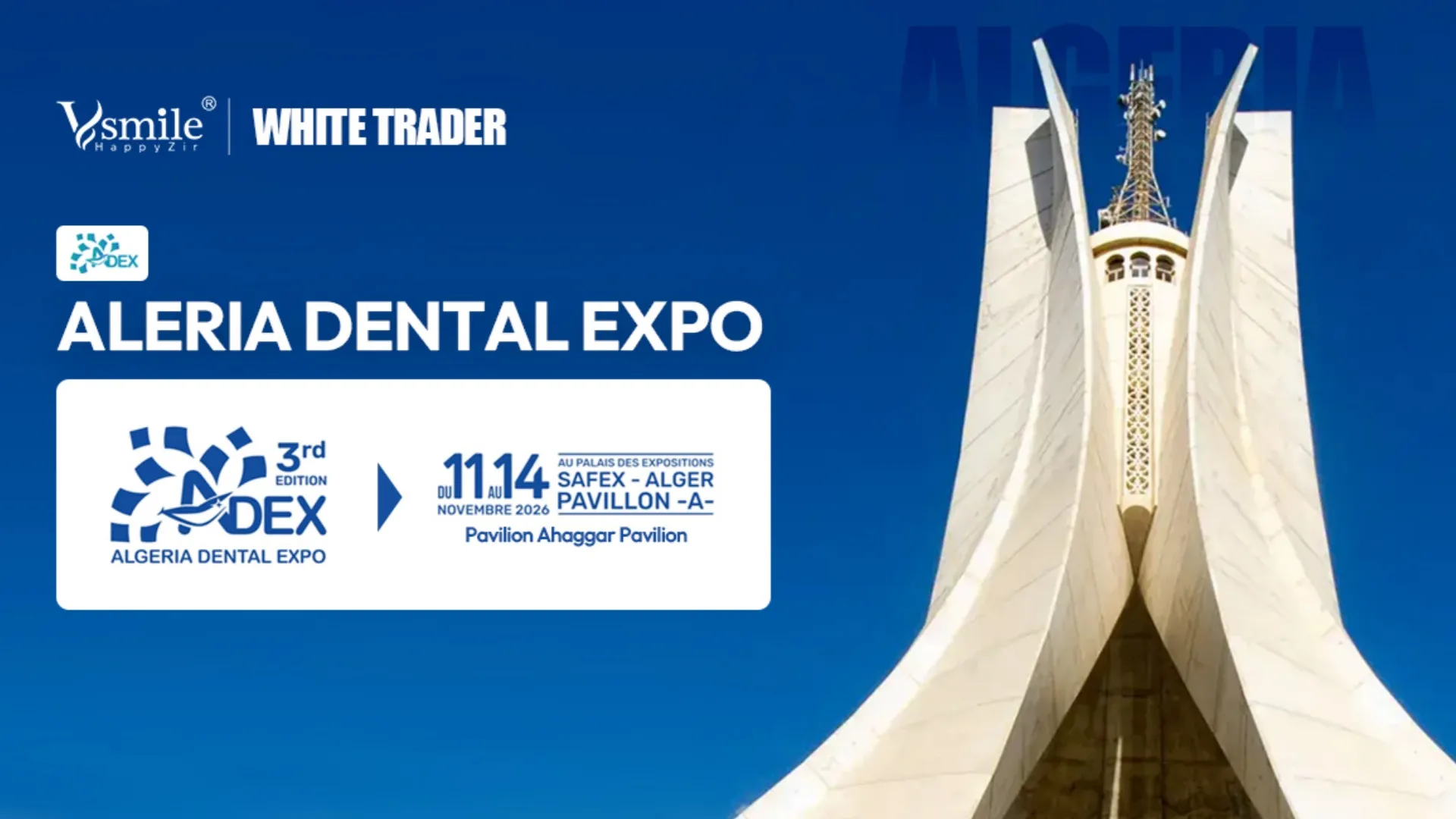
Vsmile is pleased to announce its participation in the 3rd Algerian Dental Expo (ADEX 2026), taking place from November 11 to 14, 2026, at the Palais des Expositions (SAFEX) in Algiers, Algeria.
At this year's exhibition, Vsmile will join its local distribution partner, WHITE TRADER, at Pavillon A. Together, the teams will connect with dental professionals and showcase dental materials, CAD/CAM solutions and practical applications for modern dental laboratory workflows.
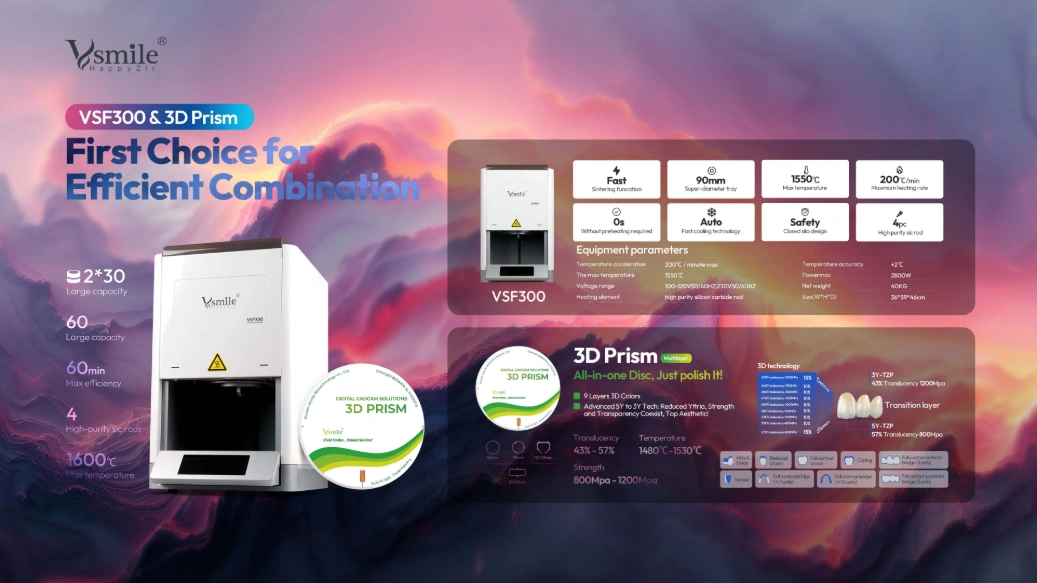
This bundle combines the powerful VSF300 fast sintering furnace with 4 pcs of 3D Prism multilayer zirconia blocks, delivering speed, capacity, and consistent esthetics in one package.
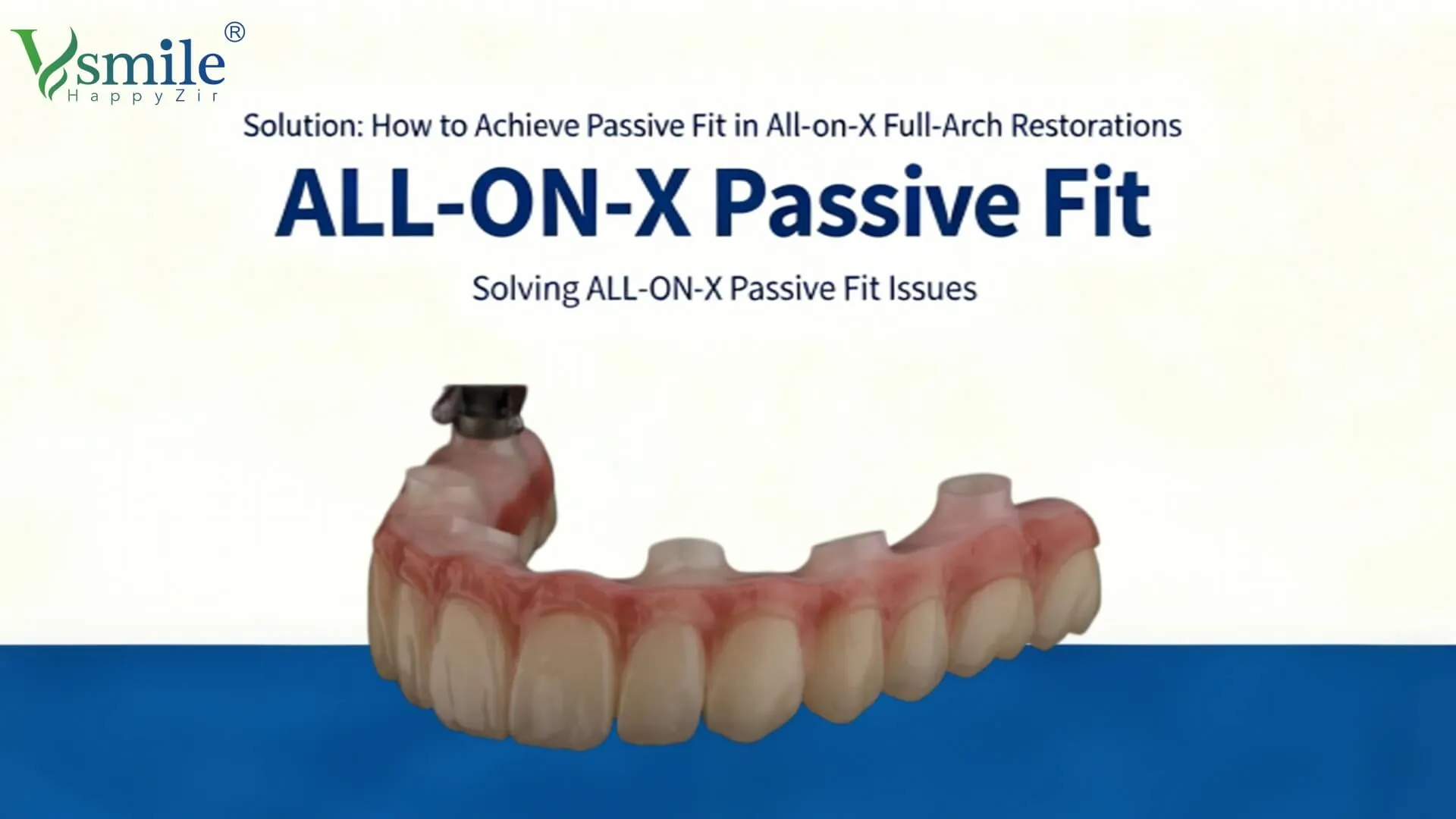
Passive fit failure is rarely caused by a single factor. Instead, it is the result of error stacking across the entire digital and manufacturing workflow.
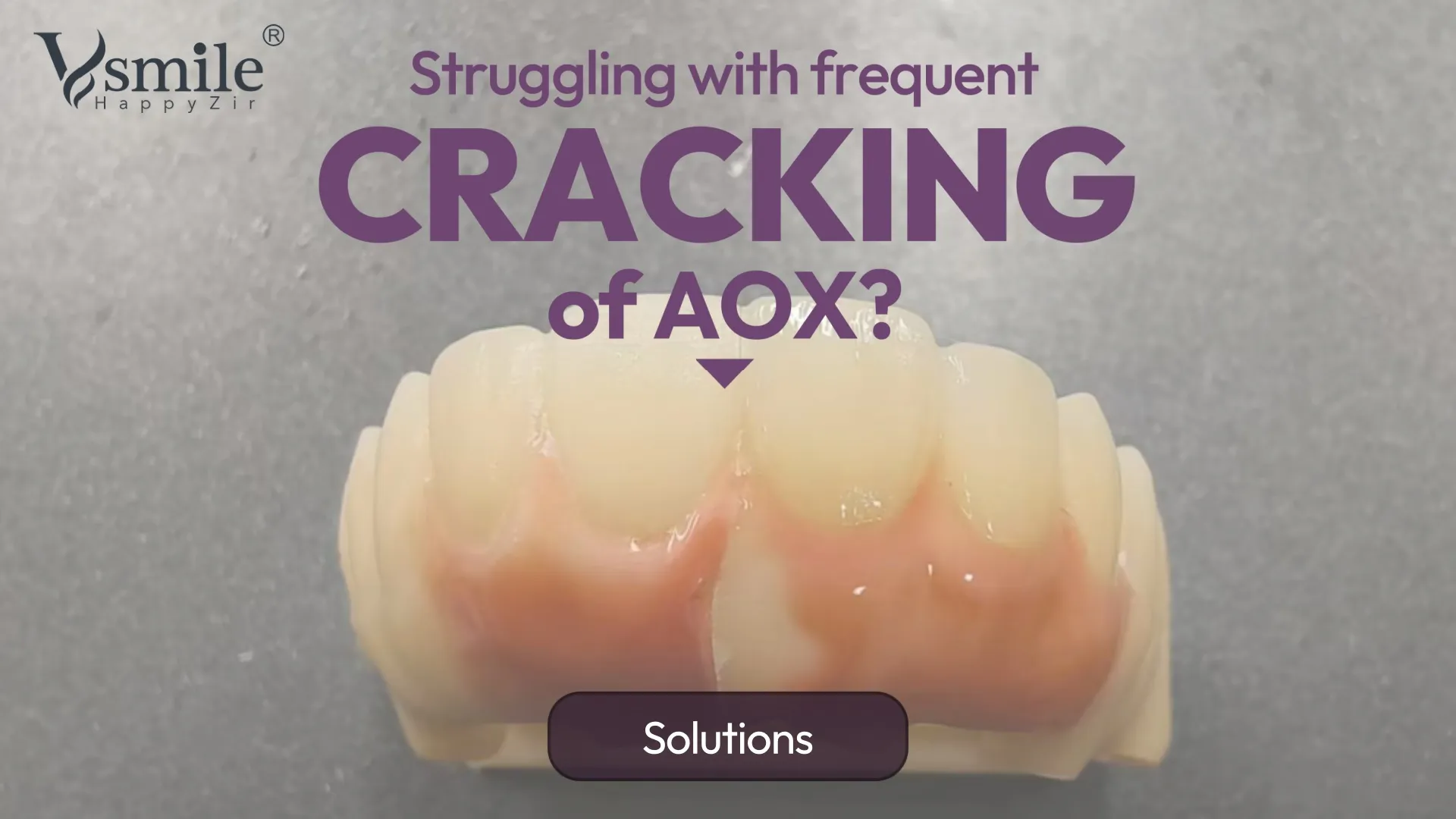
Fracture and microcracks are among the most critical failure modes in All-on-X (AOX) zirconia restorations.
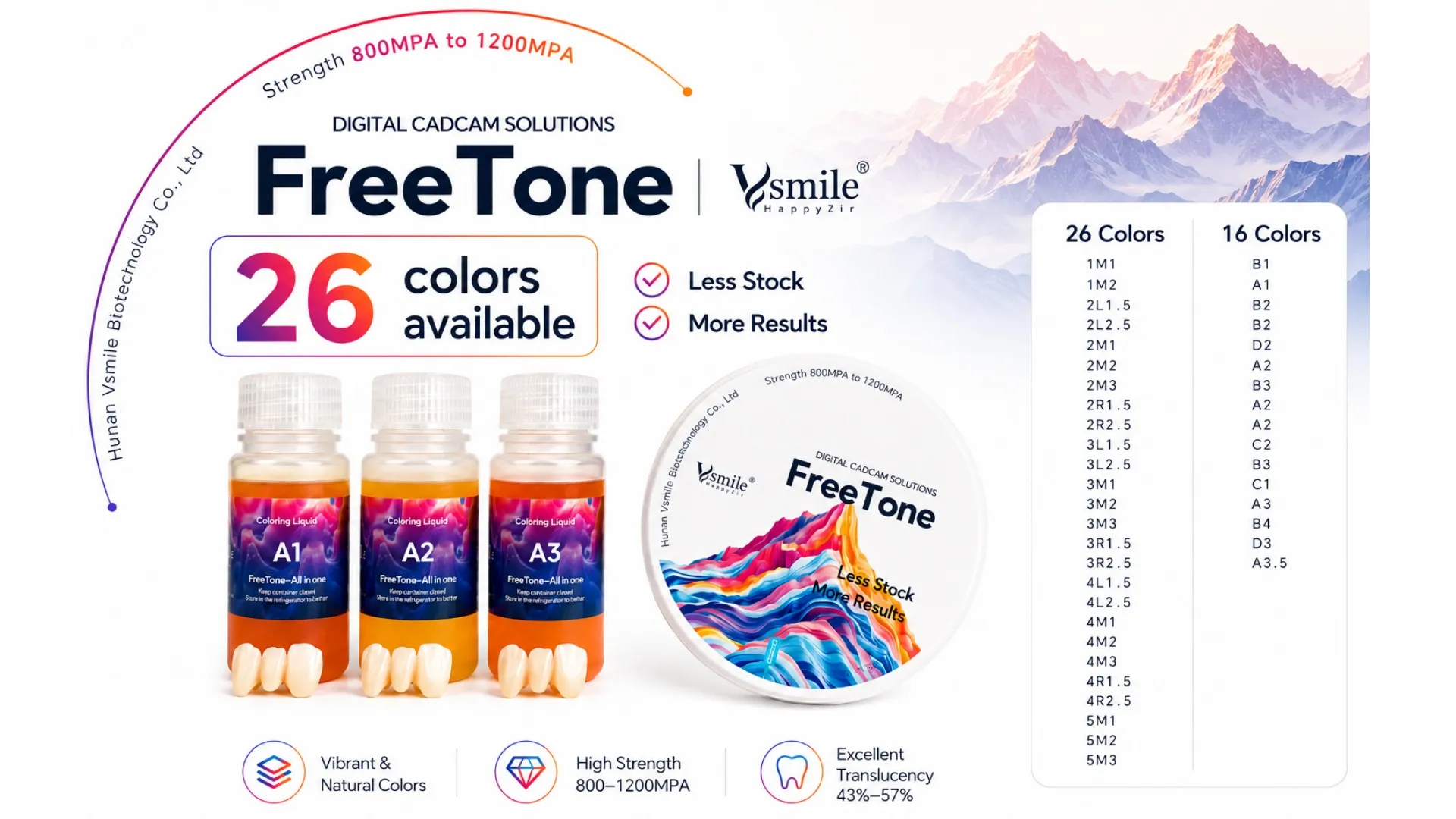
Whether you're crafting A1 or D4, FreeTone White Zirconia Disc gives you total shade control with just one SKU — streamlining inventory and increasing productivity.
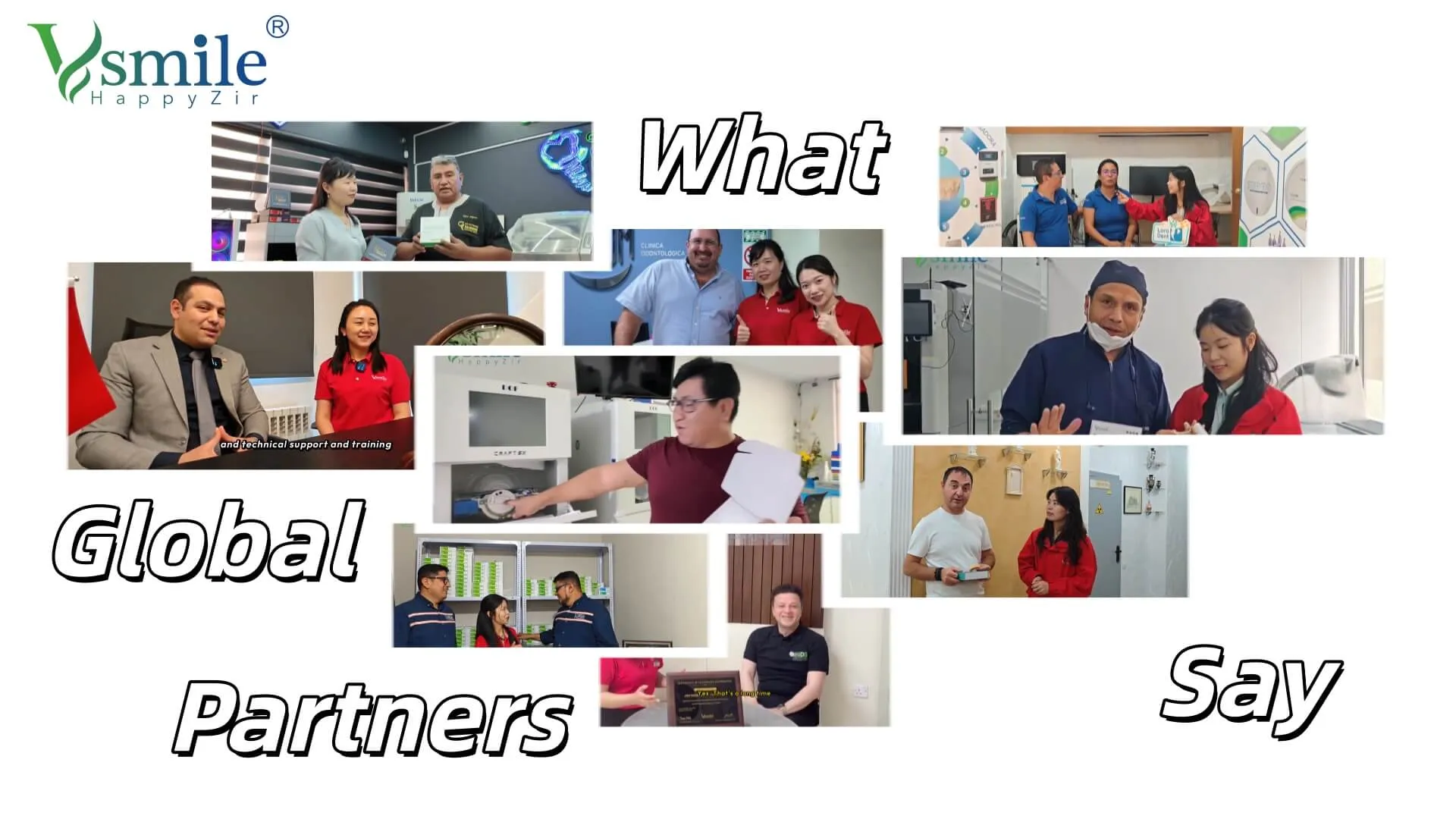
Voices from Vsmile Global Partners — Stories of Trust, Growth, and Smiles We Create Together.
Long-span and full-arch restorations represent some of the most complex and failure-prone procedures in digital dentistry. Challenges include connector fractures, marginal misfits, sintering deformation, and low clinical longevity. Labs and clinics face a high rate of remakes, increased cost, and pressure to maintain quality under tight delivery deadlines.
2025.5.22

Vsmile offers a complete, validated digital workflow — from scanning to final zirconia bridge — that helps labs and clinics deliver life-changing smiles faster, with greater confidence and repeatable quality.


Tel: +86-731-85682958
Fax: +86-731-85682958
WhatsApp: +8615084896166/+8618569525651
Email: [email protected]
Address:
Room 1202-1203, Building A4,Huanchuang Corporate Park,No.2450, Yuelu West Avenue, Changsha Hi-tech Development District, Changsha, China.


























 EN
 fr
 ru
 nl
 uk
 fil
 lo
 ko
 it
 es
 el
 pt
 de
 th
 be
 sq
 tr
 ar
 vi
 pl